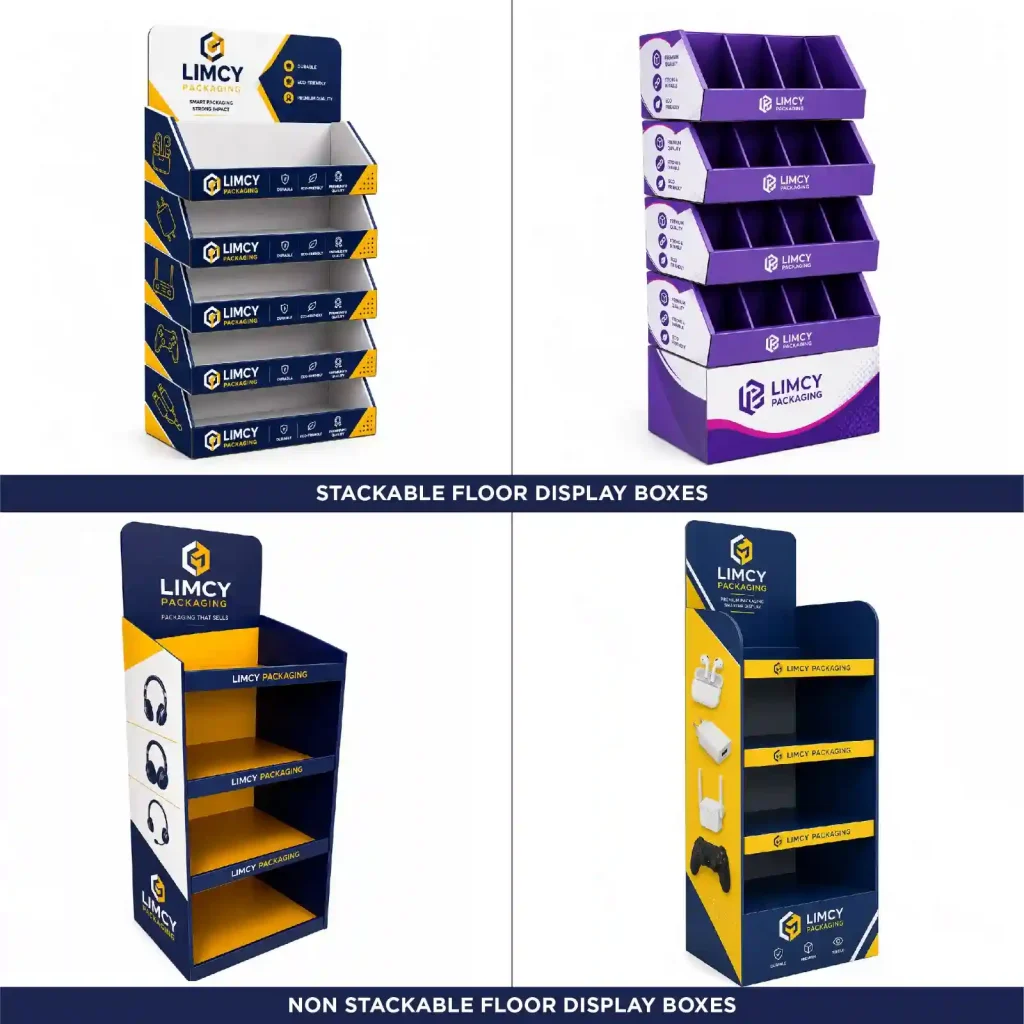
Retail displays influence how quickly shoppers notice, understand, and compare products. Corrugated display racks give brands a practical way to organize merchandise while adding branded visibility at the point of purchase. The choice between stackable and non-stackable designs depends on how much space you have, what you sell, and how often the display must move or change. A well-planned rack should make shopping easier while keeping replenishment simple for store staff.
What Are Stackable Corrugated Display Racks?
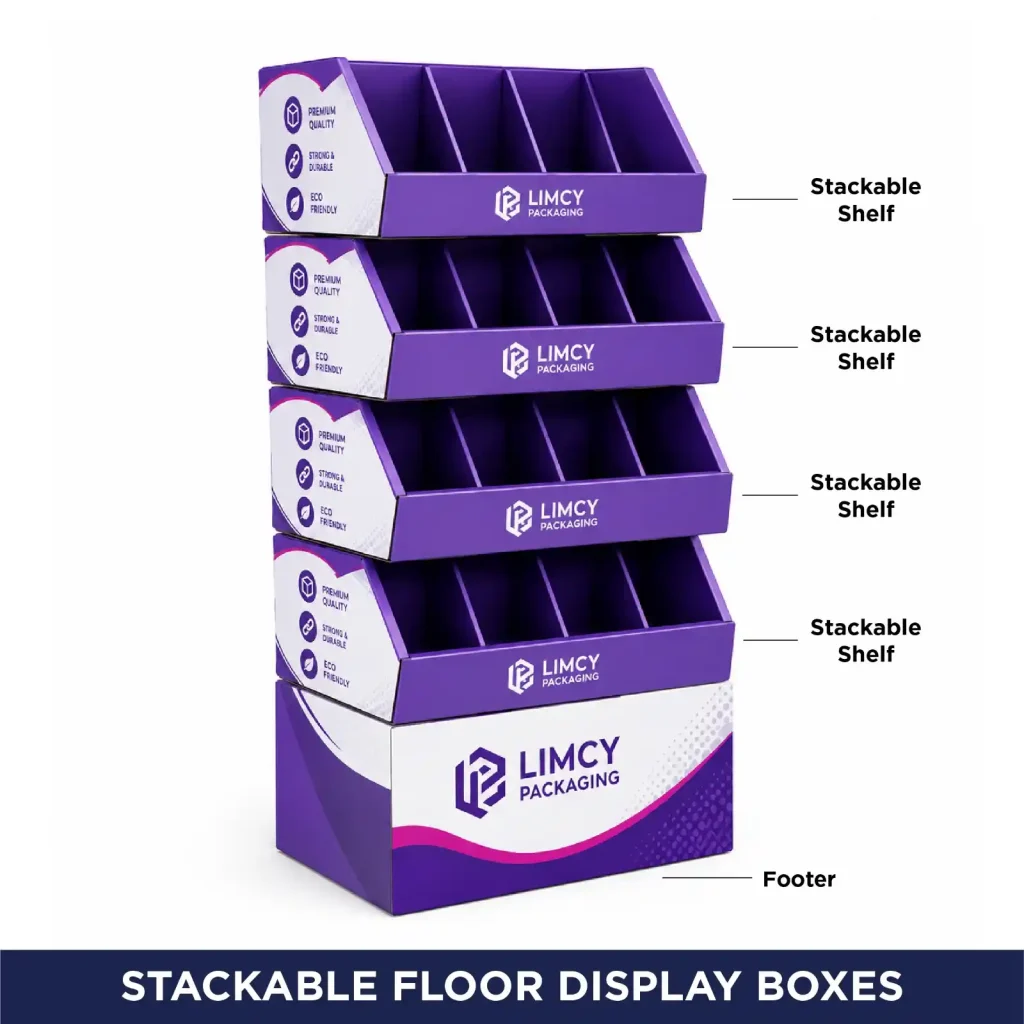
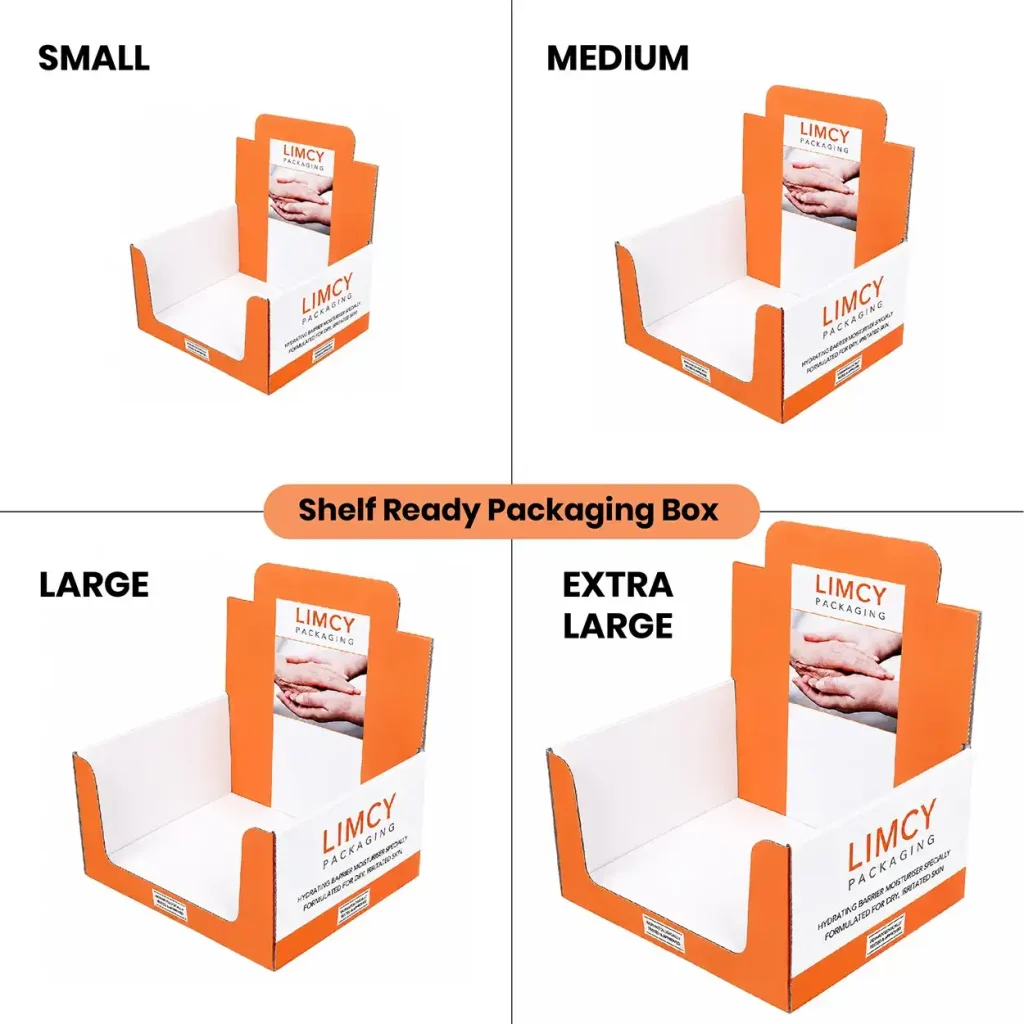
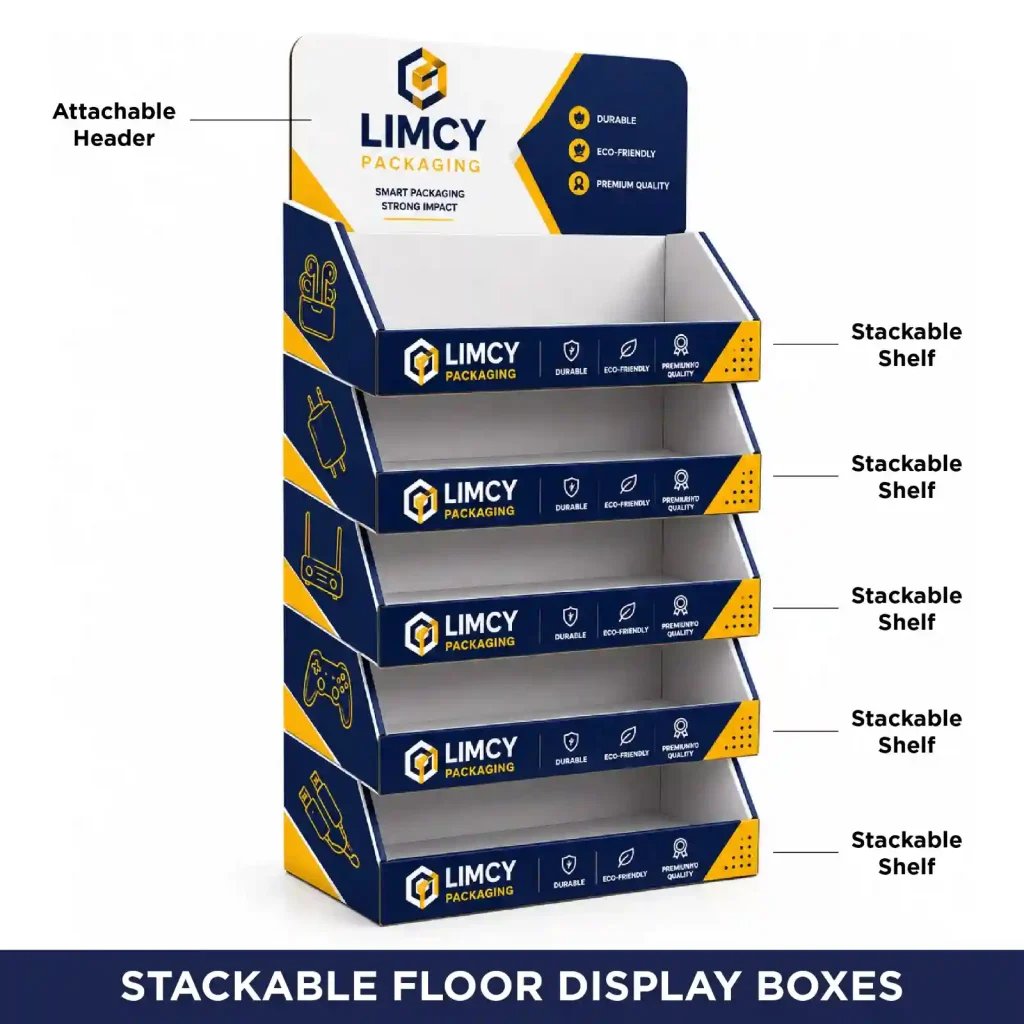
Stackable corrugated display racks are built so individual units, trays, or sections can be placed securely above one another. This approach works well when retailers want to use vertical space rather than spreading products across a larger floor area. Depending on the design, units can be shipped flat, stored compactly, and assembled near the store, simplifying handling for multi-location promotions.
These racks suit lightweight products such as packaged snacks, accessories, cosmetics, small household goods, and promotional items. Because the structure grows upward, retailers can create useful merchandising capacity in compact aisles or temporary campaign areas. However, stacking should always follow the rack’s engineered load limits rather than assuming every corrugated unit can support another.
What Are Non-Stackable Corrugated Display Racks?
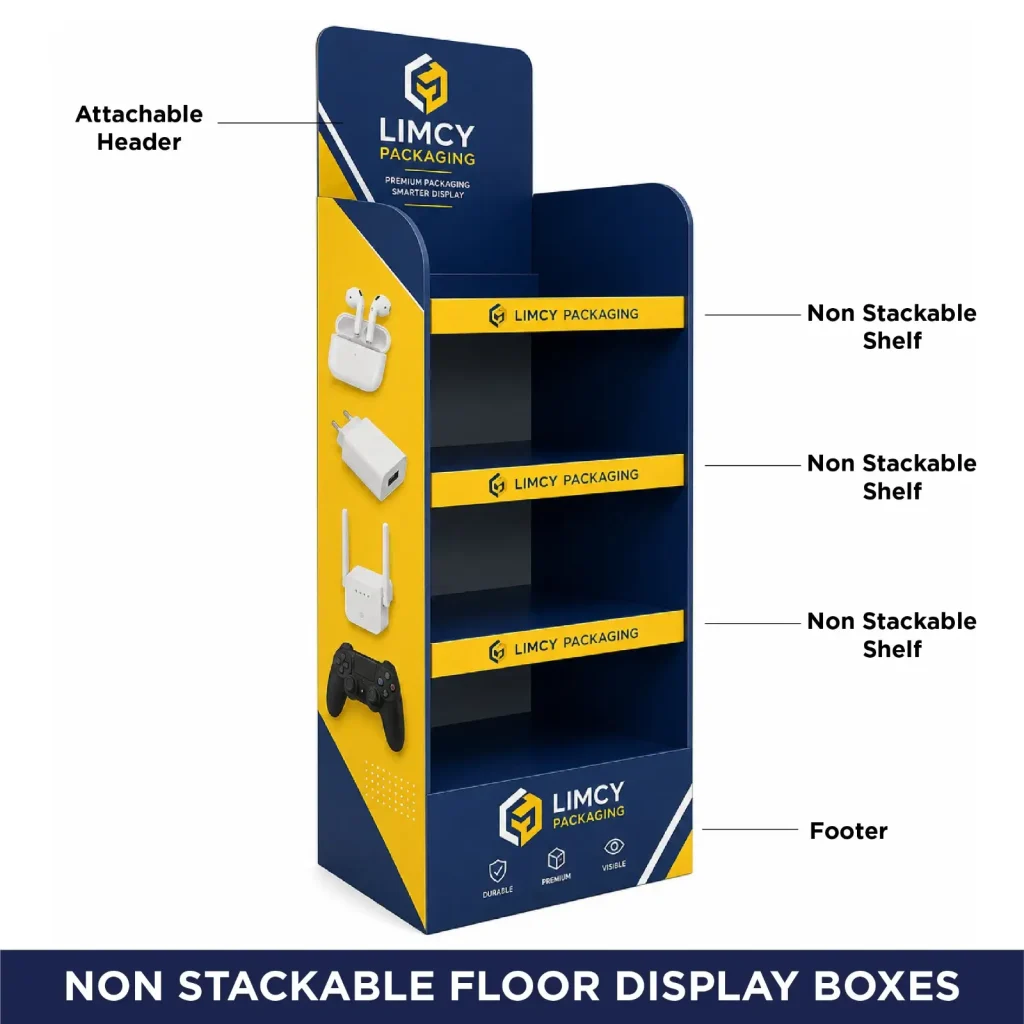
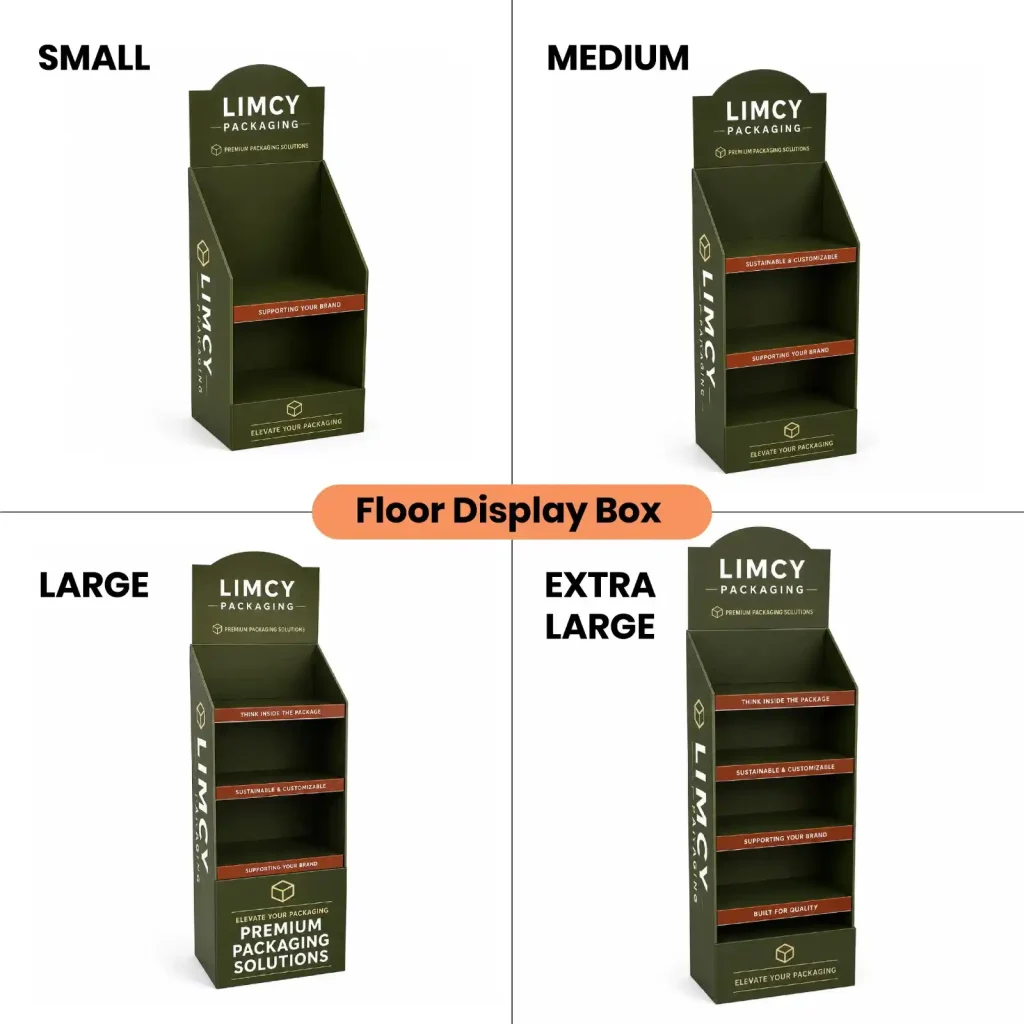
Non-Stackable Corrugated Display Racks are designed as standalone structures, often with shelves, compartments, headers, or graphic panels integrated into one display. They generally offer a broader canvas for branding because the design can be shaped around one product range instead of separate stackable modules.
These cardboard display racks are useful for heavier products, fixed product assortments, and campaigns that need a clear, stable presentation. They can also become strong corrugated floor displays when placed near entrances, endcaps, or promotional zones. Since the display is not intended to carry another rack above it, the design can focus more directly on stability, access, and visual hierarchy.
Stackable vs. Non-Stackable Corrugated Display Racks
| Retail factor | Stackable racks | Non-stackable racks |
| Space | Uses vertical space efficiently | Needs a defined floor footprint |
| Shipping | Compact when flat-packed | May require larger components |
| Setup | Modular and flexible | Usually a single planned structure |
| Strength | Best for lighter loads | Better suited to heavier products |
| Product weight | Light to moderate, by design | Moderate to heavier, by design |
| Visual impact | Modular, adaptable presentation | Strong unified branding |
| Cost | Can be economical for repeated modules | Can cost more for complex builds |
| Seasonal campaigns | Easy to reconfigure | Better for dedicated campaigns |
The practical difference is flexibility versus a more unified presentation. Corrugated retail displays can work in either format, but the right choice should follow the product, store environment, and campaign plan rather than appearance alone.
When Should Retailers Choose Stackable Racks?
Choose stackable racks when floor space is tight, and vertical merchandising can improve product visibility. They are especially useful for lightweight items, rotating promotions, and retailers managing several store locations. For example, a brand can use modular units for a seasonal launch and adjust the number of sections based on each store’s available space.
Shipping and storage can also favor stackable designs when the components are engineered to pack efficiently. Retail POP displays often need to move through several stages before reaching shoppers, so compact components can make handling easier. Meanwhile, modular racks can support store layouts that change regularly.
When Are Non-Stackable Racks a Better Choice?
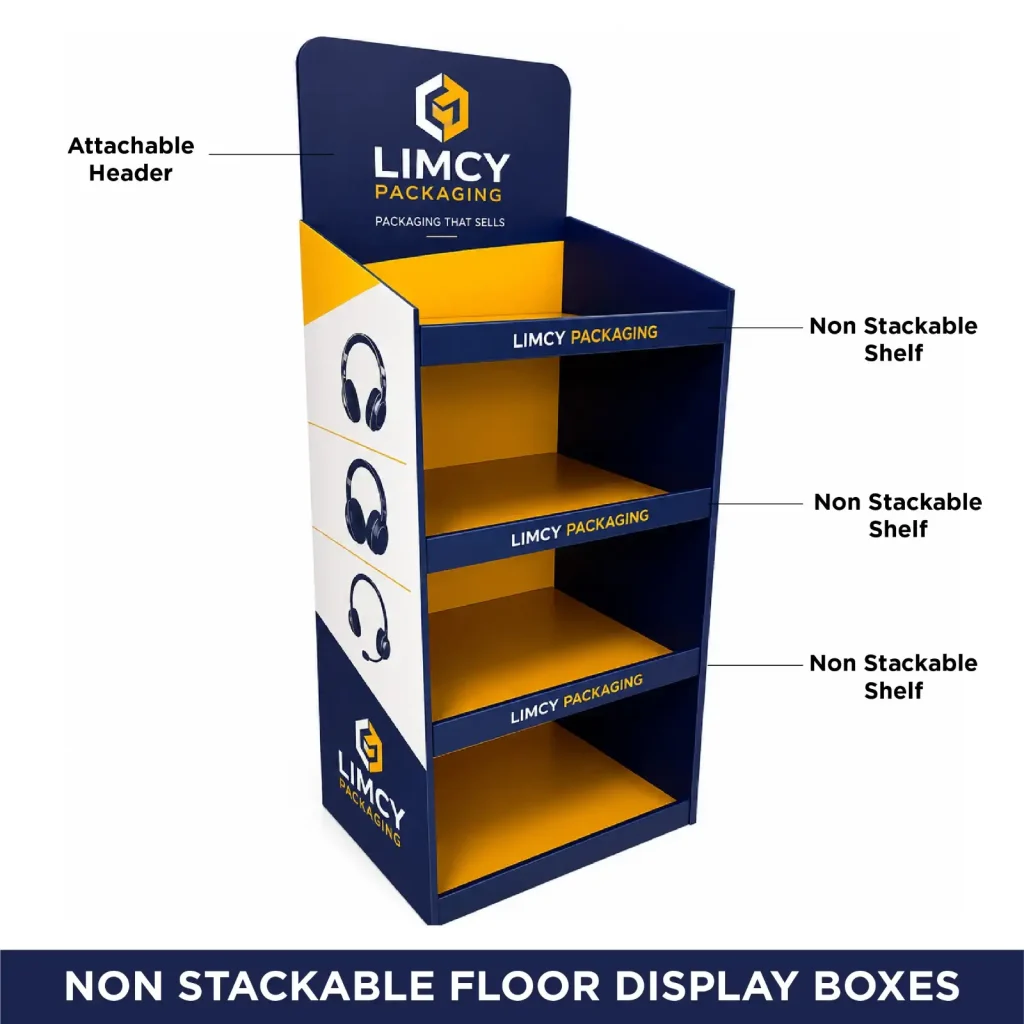
A non-stackable design makes more sense when the merchandise is heavier, the display will stay in one location, or the campaign needs a strong branded centerpiece. A single structure can provide clear product organization and a larger area for graphics, messaging, and promotional information.
This option is also useful when shoppers need easy access to several related products at once. For a longer campaign, a purpose-built structure may provide a cleaner presentation than multiple modules. However, the final design should still match the product’s weight, dimensions, replenishment method, and expected display duration.
Choosing the Right Corrugated Display Rack
Start with the product. Measure its dimensions, estimate its loaded weight, and consider how shoppers will pick items from the display. Next, examine your available floor area, ceiling clearance, storage capacity, and shipping route.
Campaign length matters, too. Short seasonal promotions may benefit from flexible, stackable corrugated display racks, while permanent or longer campaigns may justify a more integrated structure. Branding should also influence the choice because custom corrugated display racks can incorporate headers, shelves, color graphics, messaging, and product-specific shapes.
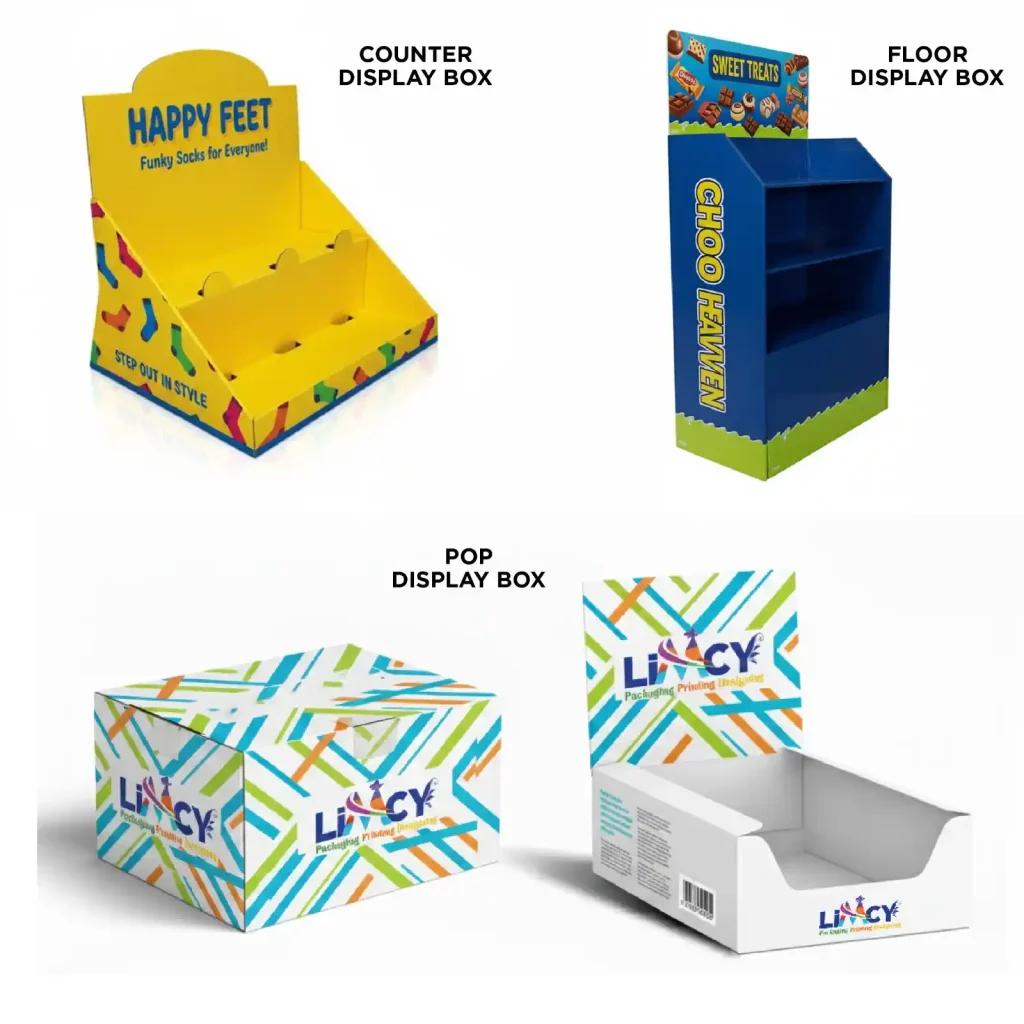
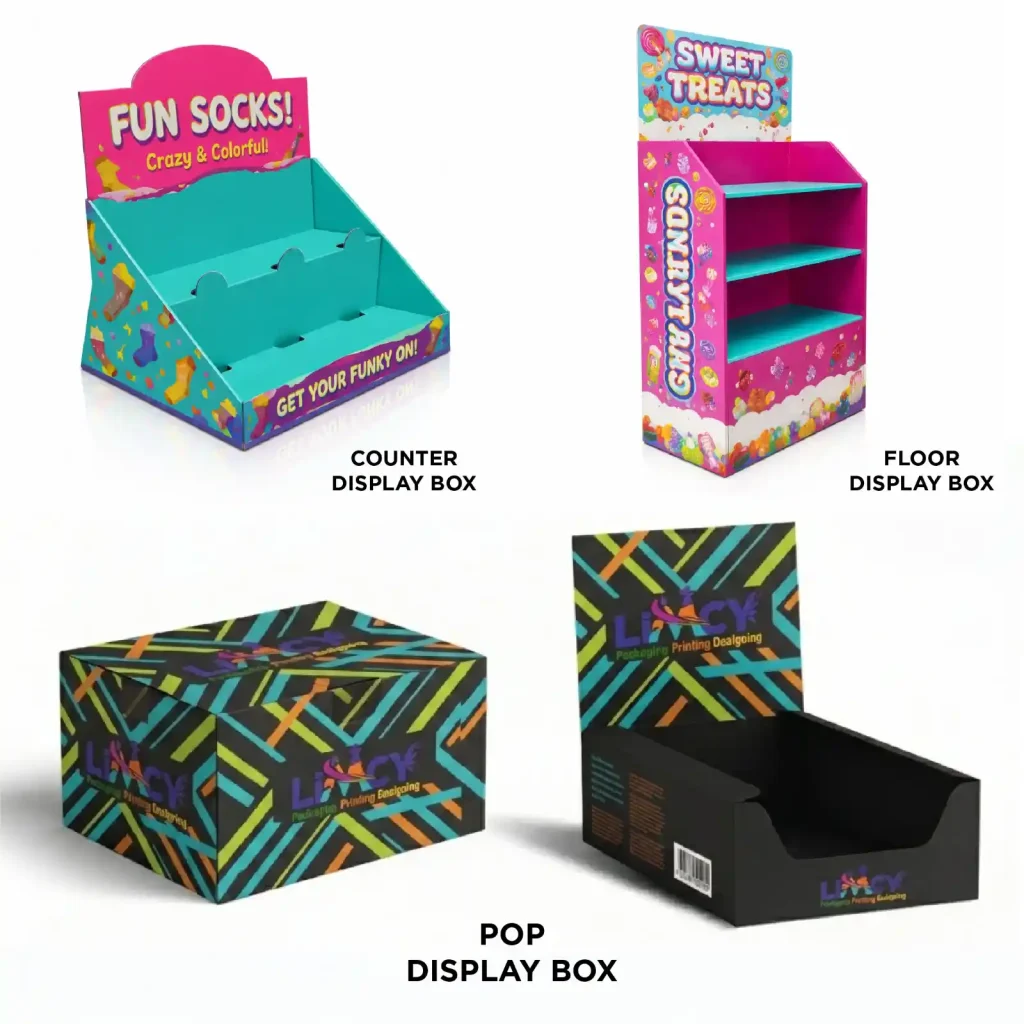
The best option depends on product size, product weight, available floor space, display duration, shipping needs, and retail campaign goals. Corrugated displays and custom display boxes are commonly used for floor, counter, and point-of-sale applications because they can combine customization with practical retail handling.
Conclusion
Both rack styles can support effective merchandising when they are matched to the job. Stackable designs prioritize flexibility and efficient vertical use, while non-stackable structures can provide stability and a more unified branded presentation. Before ordering corrugated display racks, compare your product, space, shipping, campaign, and branding requirements. For a display built around those needs, consider Custom Corrugated Display Racks designed for your retail environment.
FAQs
Q1. Are stackable racks good for small stores?
Ans. Yes. They can make better use of limited floor space by building upward, provided the products and rack design are suitable for stacking.
Q2. Are non-stackable racks stronger?
Ans. They can be designed for heavier or more stable product presentations, but strength depends on the specific structure, material, and engineering.
Q3. Can corrugated racks be used for seasonal campaigns?
Ans. Yes. Stackable units are particularly useful when displays need to change, move, or expand for different promotions.
Q4. Are corrugated displays suitable for branding?
Ans. Yes. Graphics, headers, shelves, and shapes can be customized to support product messaging and retail branding.
Q5. How do I choose the right rack?
Ans. Consider product weight and size, available floor space, shipping requirements, campaign duration, and the level of branding you need.