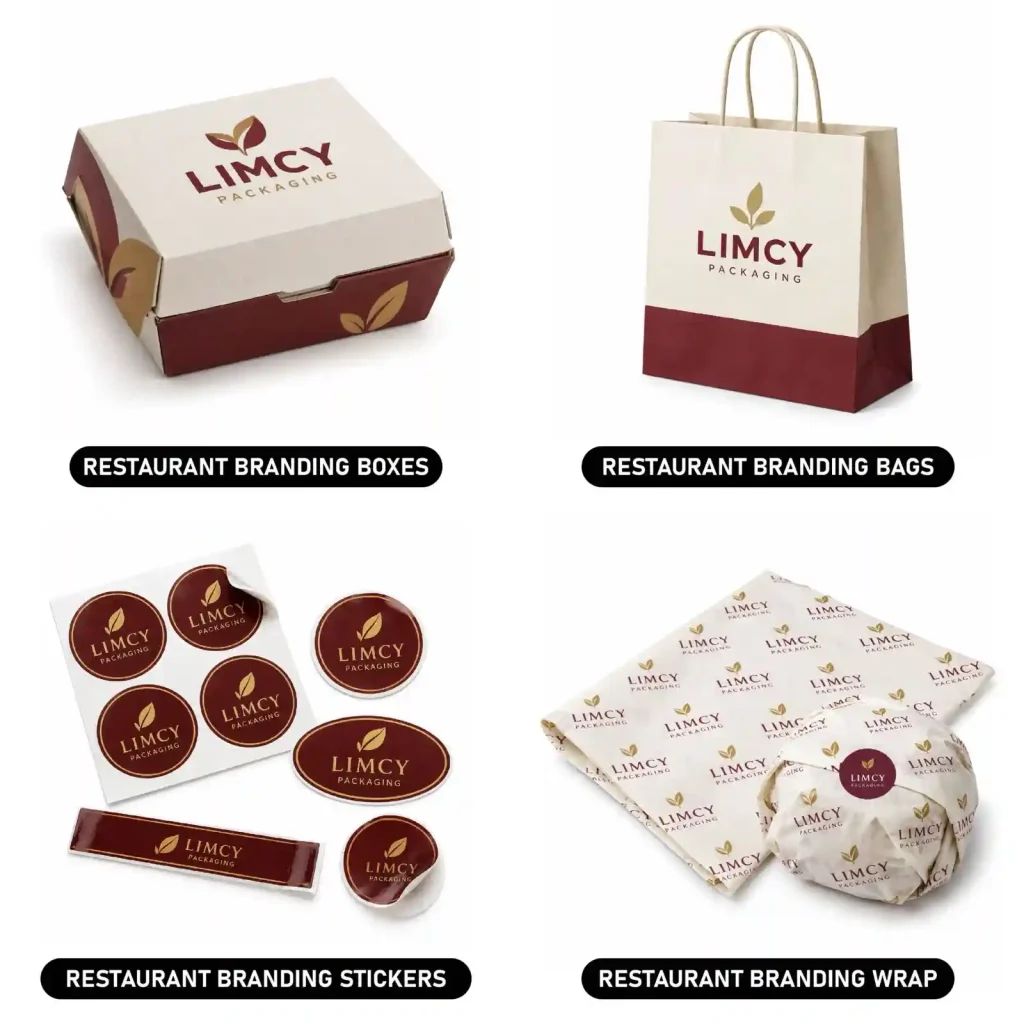
Packaging Is Now Part of the Restaurant Experience
A customer’s first impression of your food now often happens at their front door, not at your counter. The bag, box, and seal arrive before the first bite and set expectations. Strong restaurant branding packaging makes that moment a deliberate part of the meal.
Packaging is now a visible touchpoint for pickup, delivery, and social sharing; a well-designed box on a kitchen table markets your restaurant to everyone who sees the photo.
Food packaging is no longer just a container: it protects texture, holds heat, and preserves presentation. Custom restaurant packaging adds your logo, colors, and voice, so the order feels like yours.
How Restaurant Branding Packaging Builds Recognition
Recognition comes from repetition. When the same logo, colors, typography, and materials appear on every order, customers start to identify your restaurant before they read the name. Branded restaurant packaging also signals care: a clean print, a sturdy fit, and a neat seal tell customers that someone paid attention.
Custom Restaurant Boxes That Carry the Brand
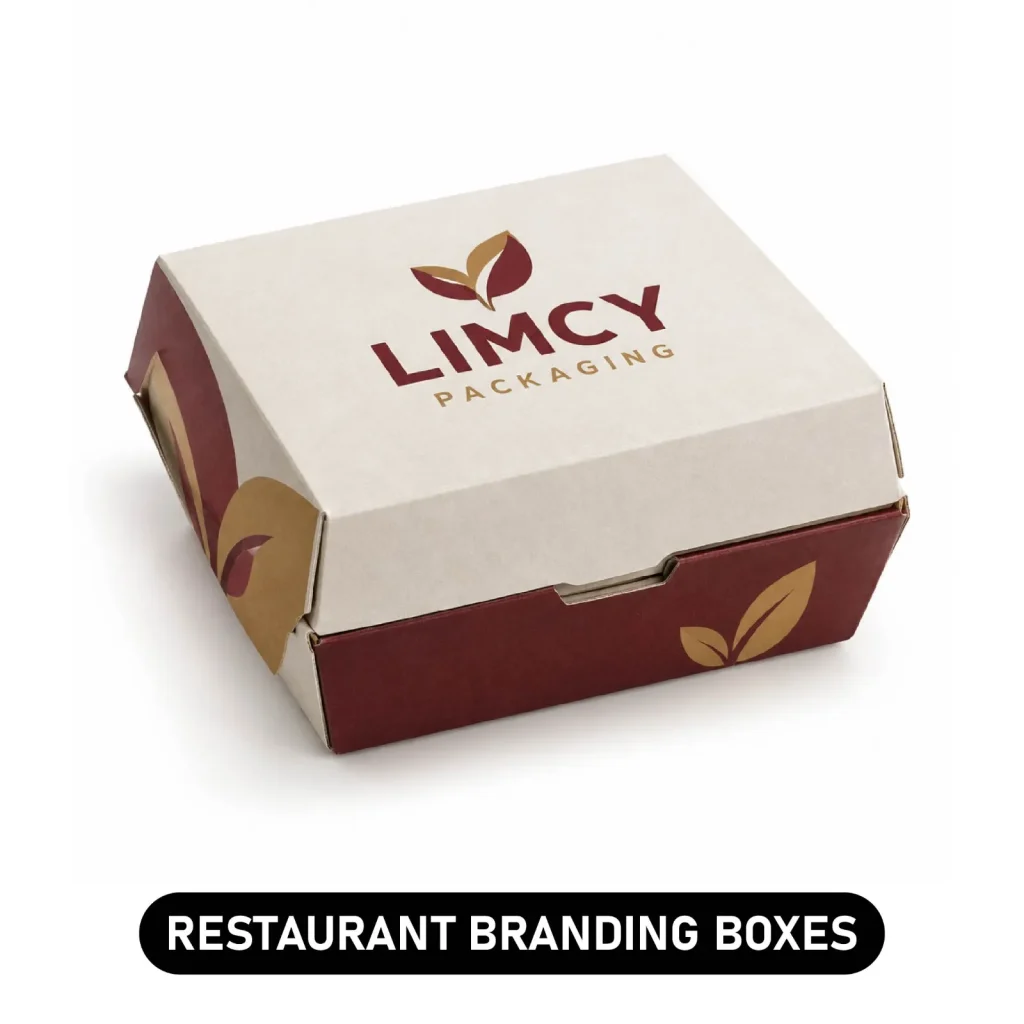
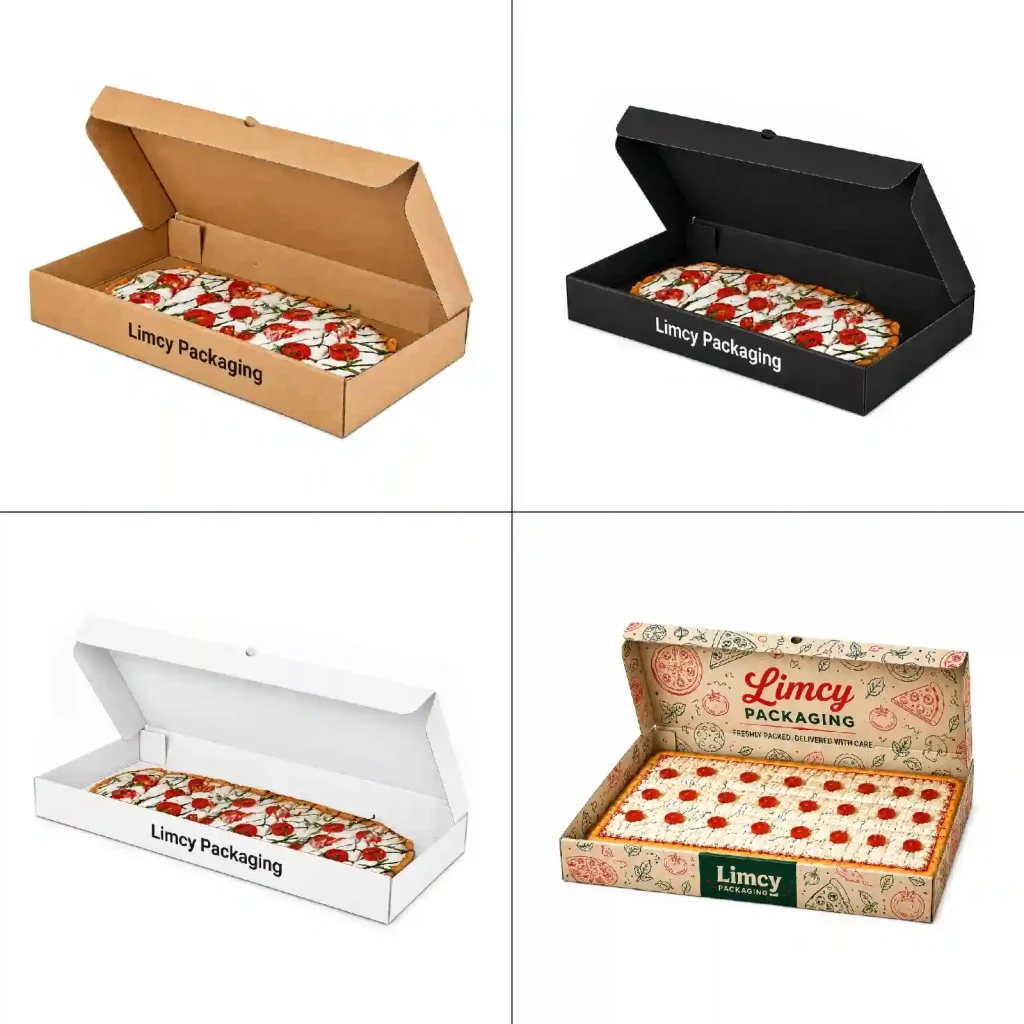
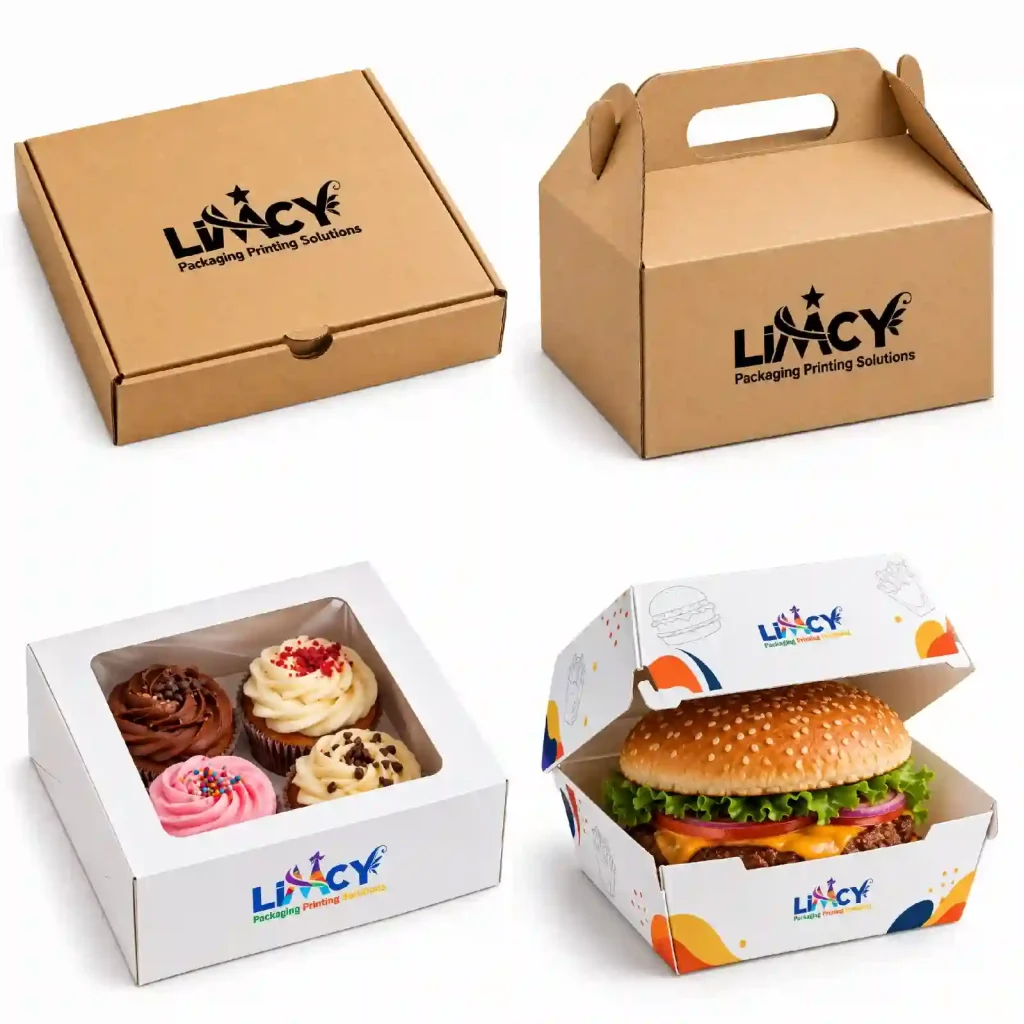
Boxes do the heaviest lifting, so start with them. Burgers need height, pizza needs a flat and rigid structure, and bakery items need support that prevents crushing. Entrées and full takeaway meals often suit compartment or clamshell styles.
Custom restaurant boxes should then follow the food. Kraft paperboard suits dry or lightly oily items, SBS board offers a bright surface for full-color printing, and corrugated board adds strength for pizza and heavier meals. Inserts and sleeves separate items or add a second branded layer.
Branded Bags That Extend Brand Visibility
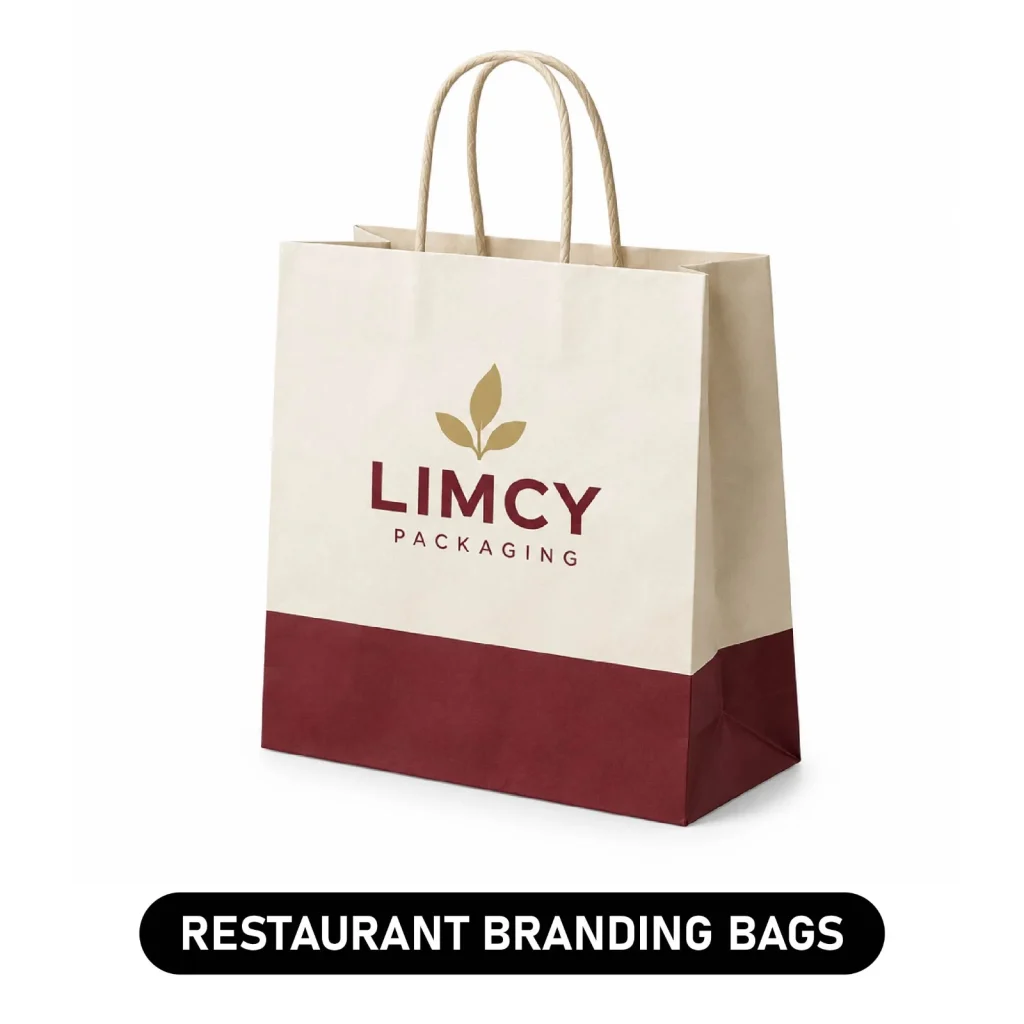
A bag carries your brand from the counter to the customer’s home. Paper carrier bags, takeaway bags, and delivery bags each serve a different handoff, so choose based on how orders leave your kitchen.
Kraft paper suits most logos and feels sturdy. Handles affect strength, and a grease-resistant lining helps with fried or sauced food. Place the logo on the front panel where it shows when carried. Custom restaurant bags should match your typical order size, since oversized bags tip easily.
Stickers That Add Detail and Trust
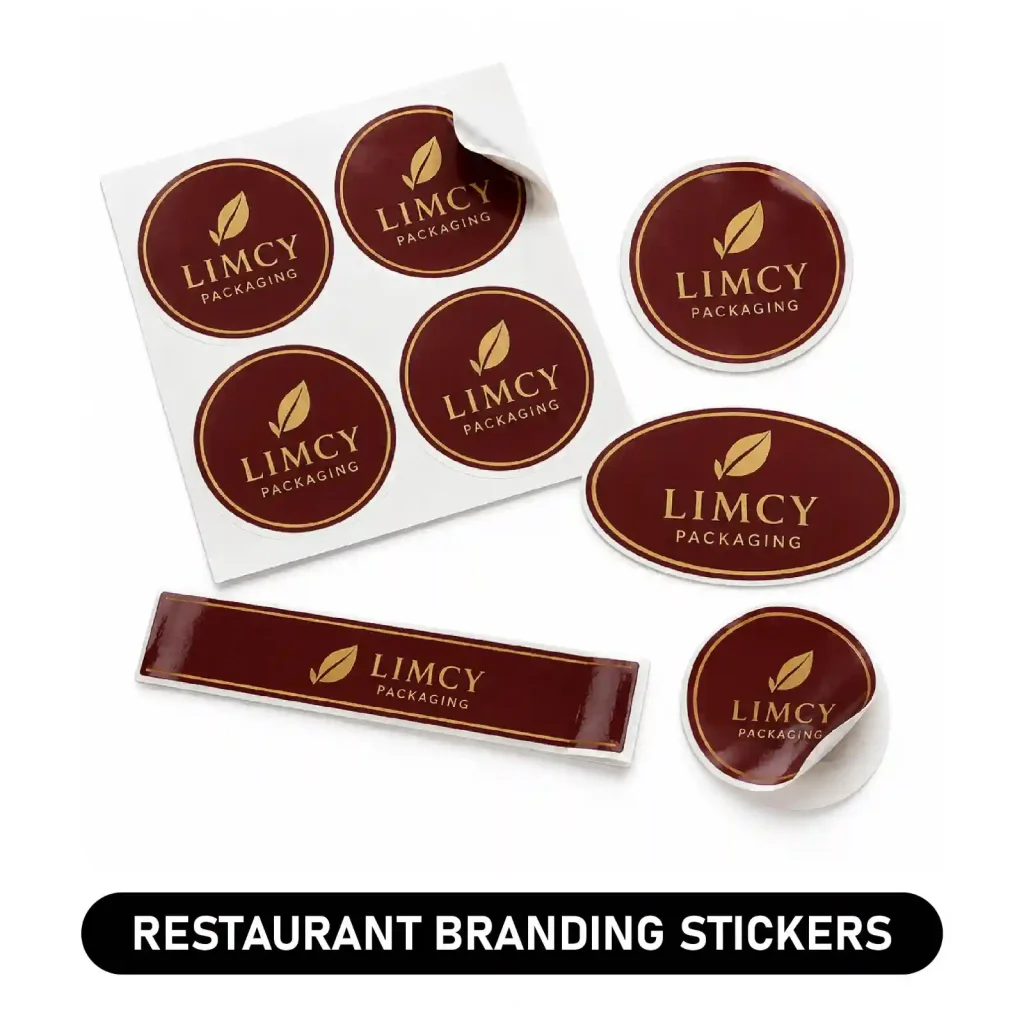
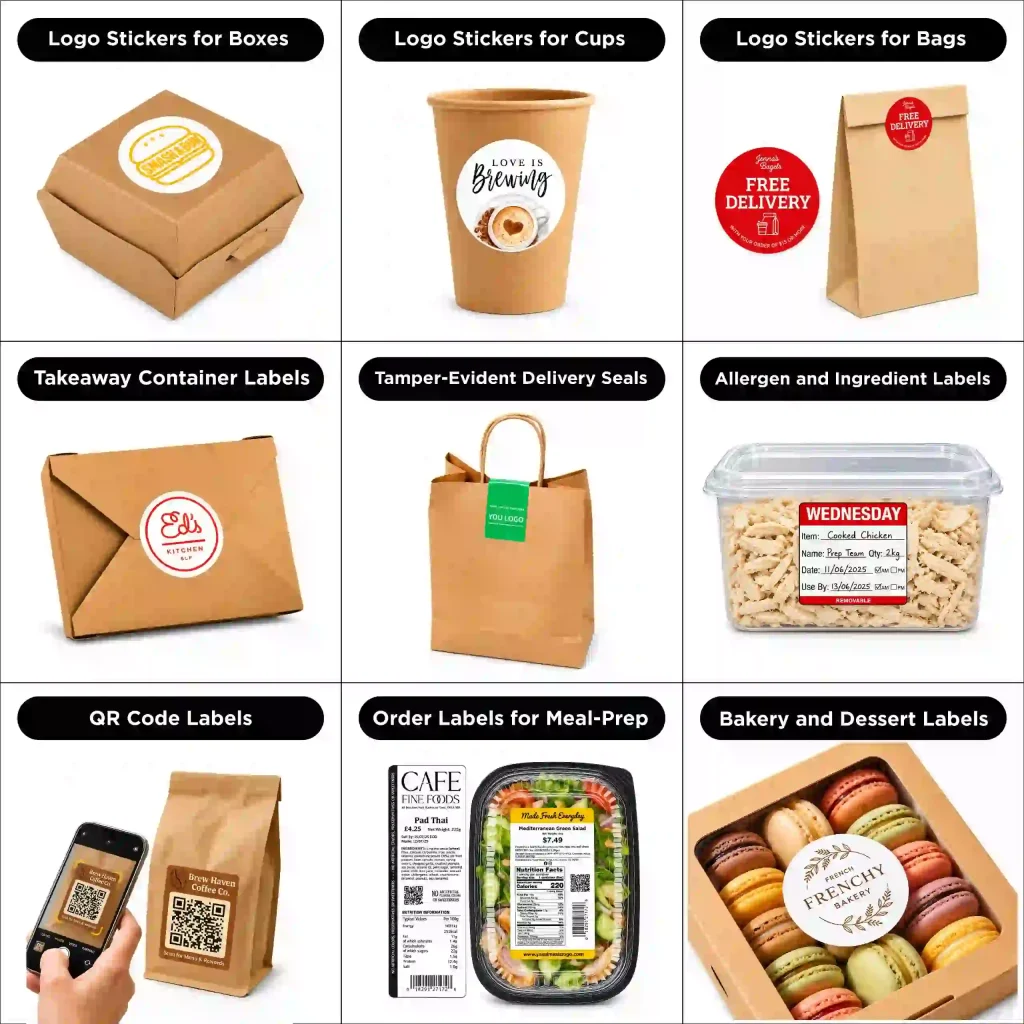
Restaurant sticker brand stock packaging without high printing minimums. A logo sticker on plain kraft packaging creates a recognizable look for small orders. Tamper-evident stickers show whether a delivery bag was opened, QR code stickers link to menus, allergen labels support clear communication, and promotional stickers announce new items.
Wraps That Make Food Presentation Memorable
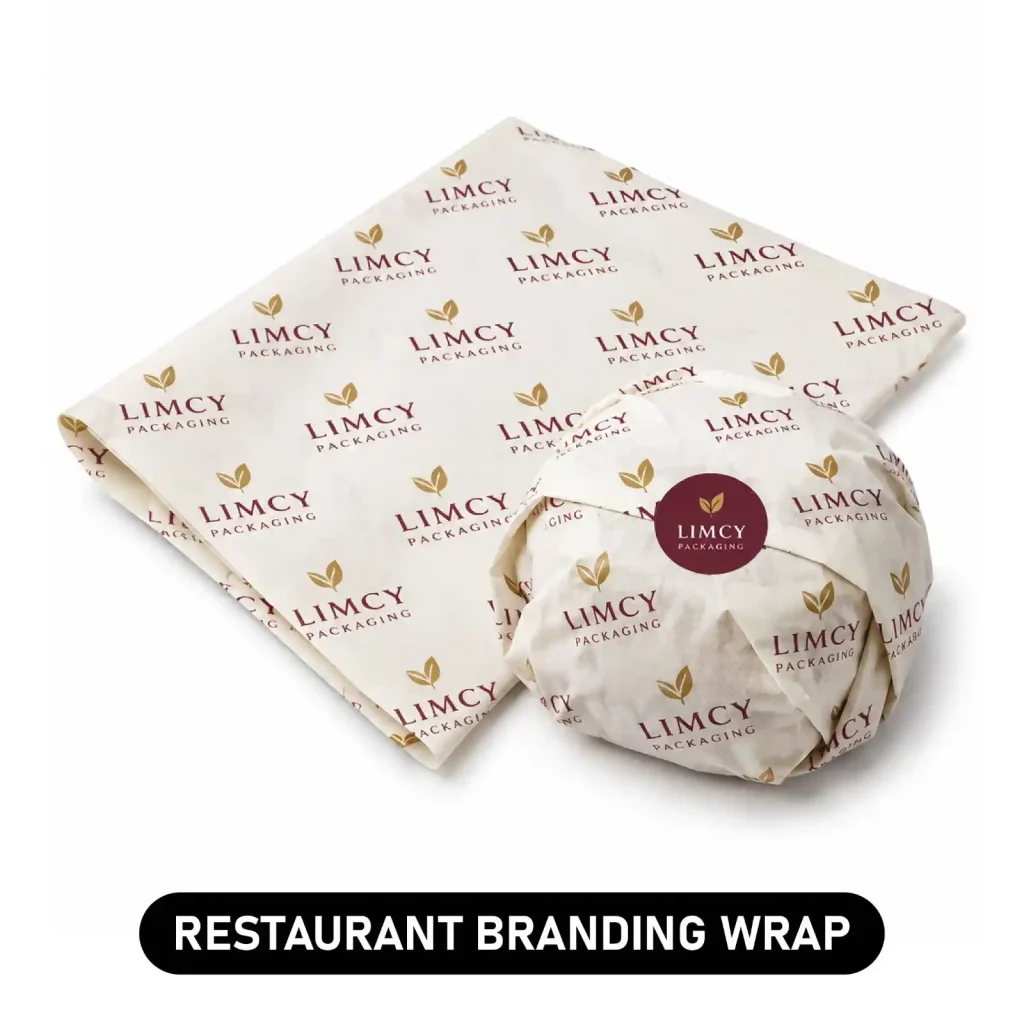
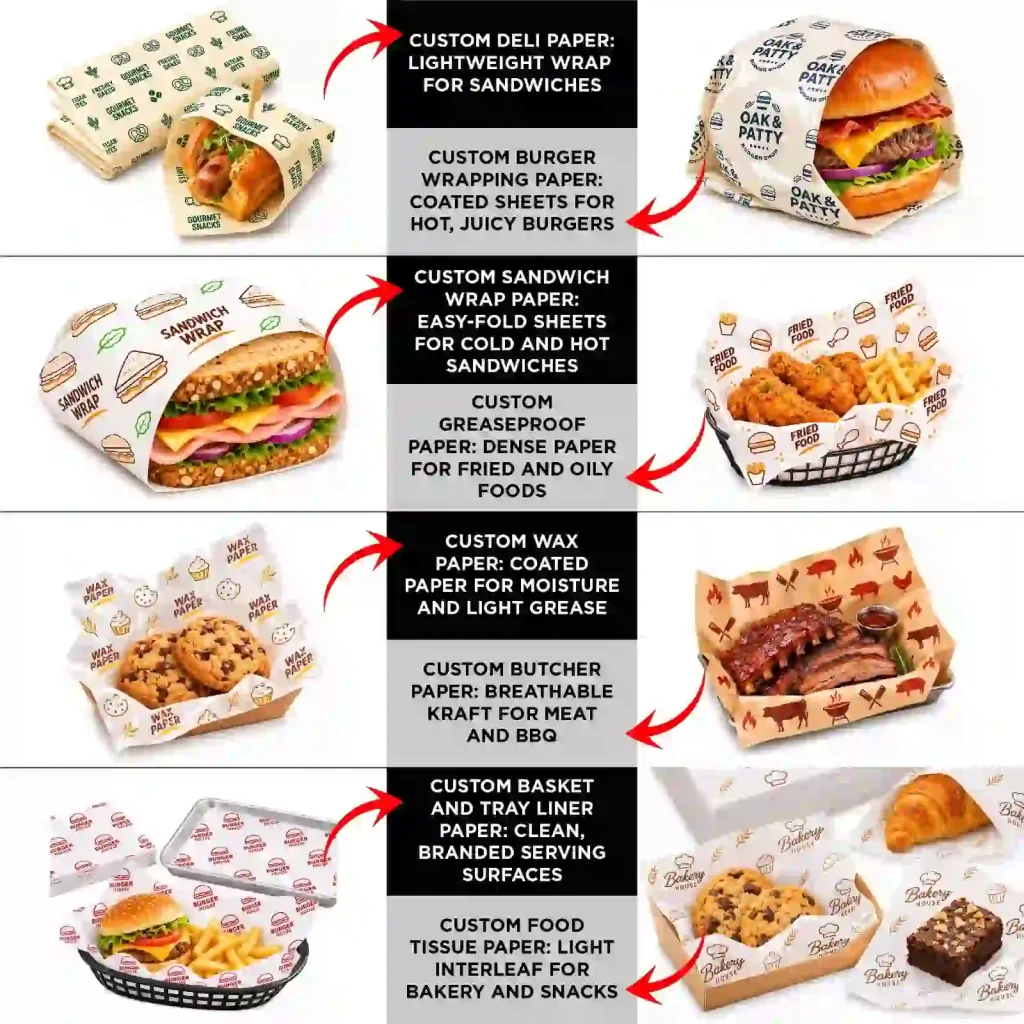
Custom food wrapping paper adds a premium detail to simple food. Deli paper, burger wraps, and sandwich wraps hold items together, while basket and tray liners add color under fries or sliders. Choose grease-resistant paper for oily food, confirm that inks are food-safe, and pick kraft for a rustic look or white for crisper color.
Restaurant Branding Packaging Comparison
| Packaging Type | Best For | Branding Role | Practical Consideration |
| Custom boxes | Burgers, pizza, entrées, bakery items | Largest branded surface | Must match food size and grease level |
| Branded bags | Takeaway and delivery orders | Carries the brand outside | Needs grease-resistant lining for fried food |
| Stickers | Stock packaging and sealing | Adds logo and detail | Adhesion varies by surface |
| Food wraps | Sandwiches, burgers, baskets | Adds presentation detail | Needs food-safe greaseproof paper |
A good packaging system combines all four formats together and not just one item.
How to Build a Consistent Packaging System
A packaging system starts with what each order must survive. A burger shop with heavy delivery needs different materials than a bakery with counter pickup, so base decisions on menu type, order volume, food temperature, delivery channels, and brand personality.
- Match box sizes to your top menu items.
- Keep one logo, palette, and typeface.
- Choose materials for heat and grease.
- Use stickers for seals, labels, and offers.
- Order samples and test them on real orders.
Packaging Ideas That Encourage Repeat Orders
Give customers a reason to order again. QR codes can link to menus and reorder pages, social media handles invite photo sharing, and loyalty offers or thank-you messages add a personal touch. Seasonal artwork and limited-edition designs keep custom restaurant packaging fresh for regular customers.
Eco-Friendly Restaurant Branding Packaging
Eco-friendly restaurant packaging often starts with kraft paper and recycled paperboard. Compostable materials and PLA coatings suit some products, and PFAS-free options address grease resistance without fluorinated chemicals. Coatings and inks can affect recyclability and compostability, and performance depends on material, coating, food type, temperature, and handling, so ask suppliers what each item is made from.
Create a Branded Packaging System with Limcy Packaging
Build a packaging system that matches your menu, order volume, and brand identity. Contact Limcy Packaging for size, material, and custom sizes. recommendations, samples, wholesale pricing, and branded restaurant packaging. We will help you choose formats for your food and your budget.
FAQs
Q1. What is restaurant branding packaging?
Ans. It is food packaging designed to carry a restaurant’s logo, colors, and style across boxes, bags, stickers, and wraps.
Q2. Which packaging item should a restaurant customize first?
Ans. Start with the item customers see most, usually boxes or bags. Add stickers and wraps as order volume grows.
Q3. Can stickers brand stock packaging effectively?
Ans. Yes. Logo stickers on plain kraft or white packaging create a consistent look at lower minimums, though adhesion depends on surface and handling.
Q4. Is custom restaurant packaging suitable for small businesses?
Ans. Yes. Low MOQ options let cafés, bakeries, and food trucks start small and scale as orders grow.