
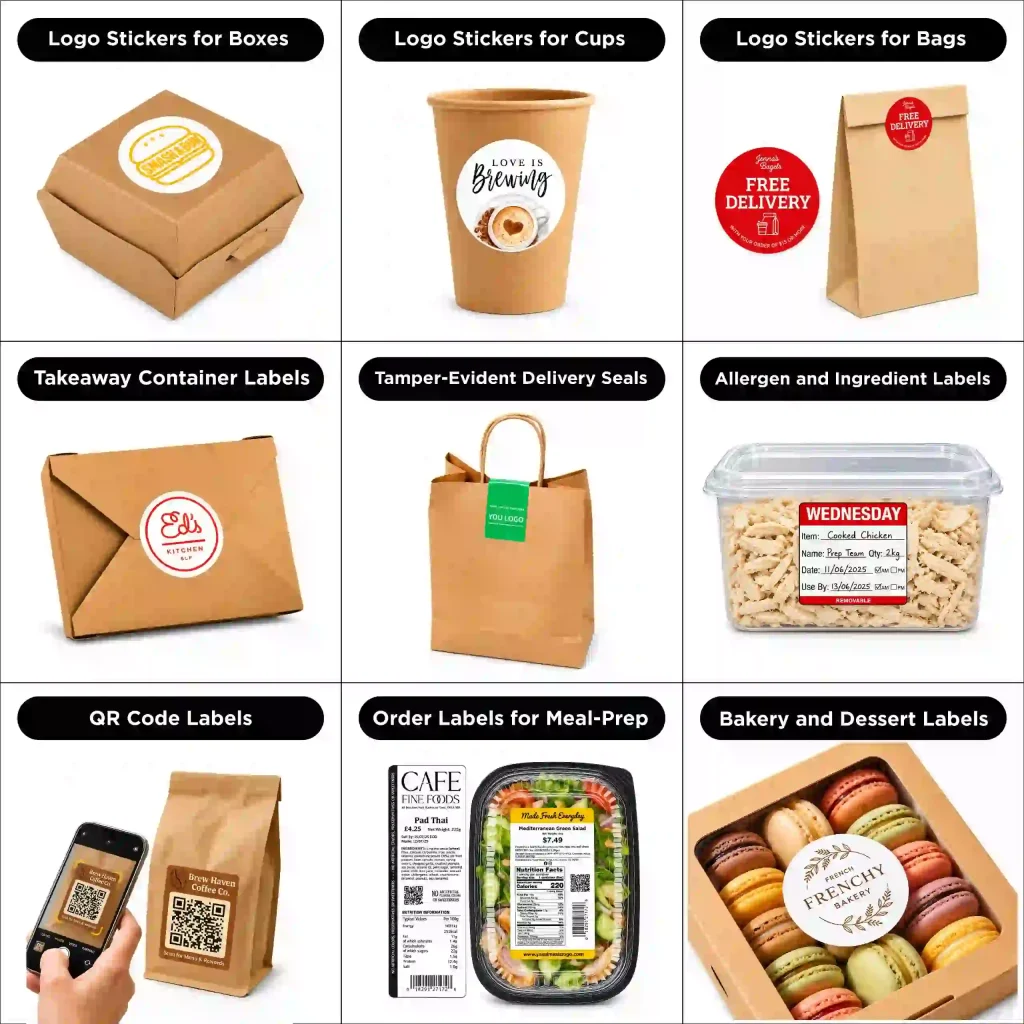
Food labels and stickers do more than decorate a box. They carry your brand, confirm orders, and share allergen details. They also seal takeaway bags. Restaurants, cafés, bakeries, cloud kitchens, food trucks, and catering businesses rely on them daily.
Customers often meet your brand at the door. A clean label shows the order is correct and gives delivery a professional finish. It also helps staff pack faster.
Types of Food Labels and Stickers
- Logo stickers for boxes, cups, and bags
- Takeaway container labels
- Tamper-evident delivery seals
- Allergen and ingredient labels
- QR code labels for menus, reviews, or reorder links
- Order labels for meal-prep and delivery kitchens
- Bakery and dessert labels
The right label depends on packaging type, food temperature, and delivery needs.
Logo and Branding Stickers
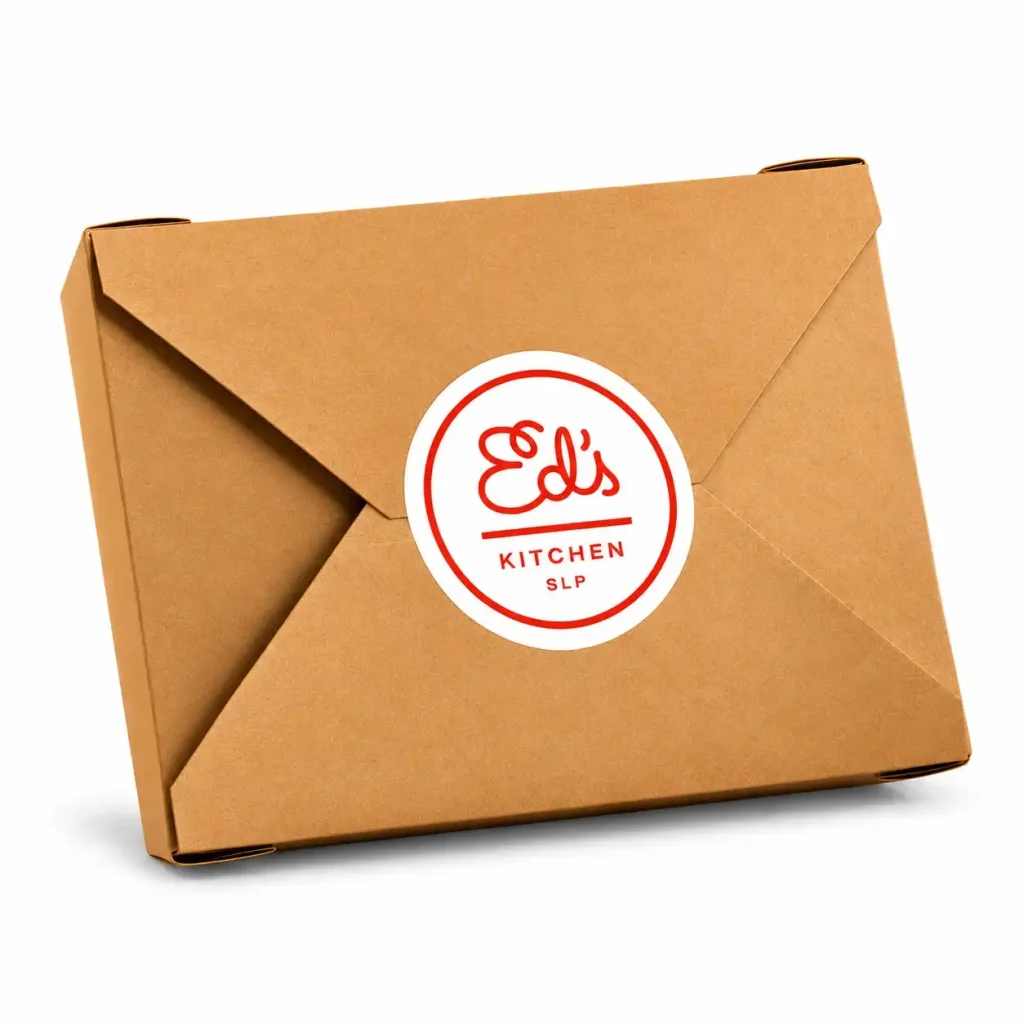
Logo stickers turn plain packaging into branded packaging. Place one on a takeaway box, cup, bag, or bakery wrap. Customers recognize your brand before they open the order.
Tamper-Evident Delivery Seals
Tamper-evident labels show whether a package was opened after it left your kitchen. They reassure customers during delivery. No seal is completely tamper-proof, but a visible break signals a problem.
Allergen and Ingredient Labels
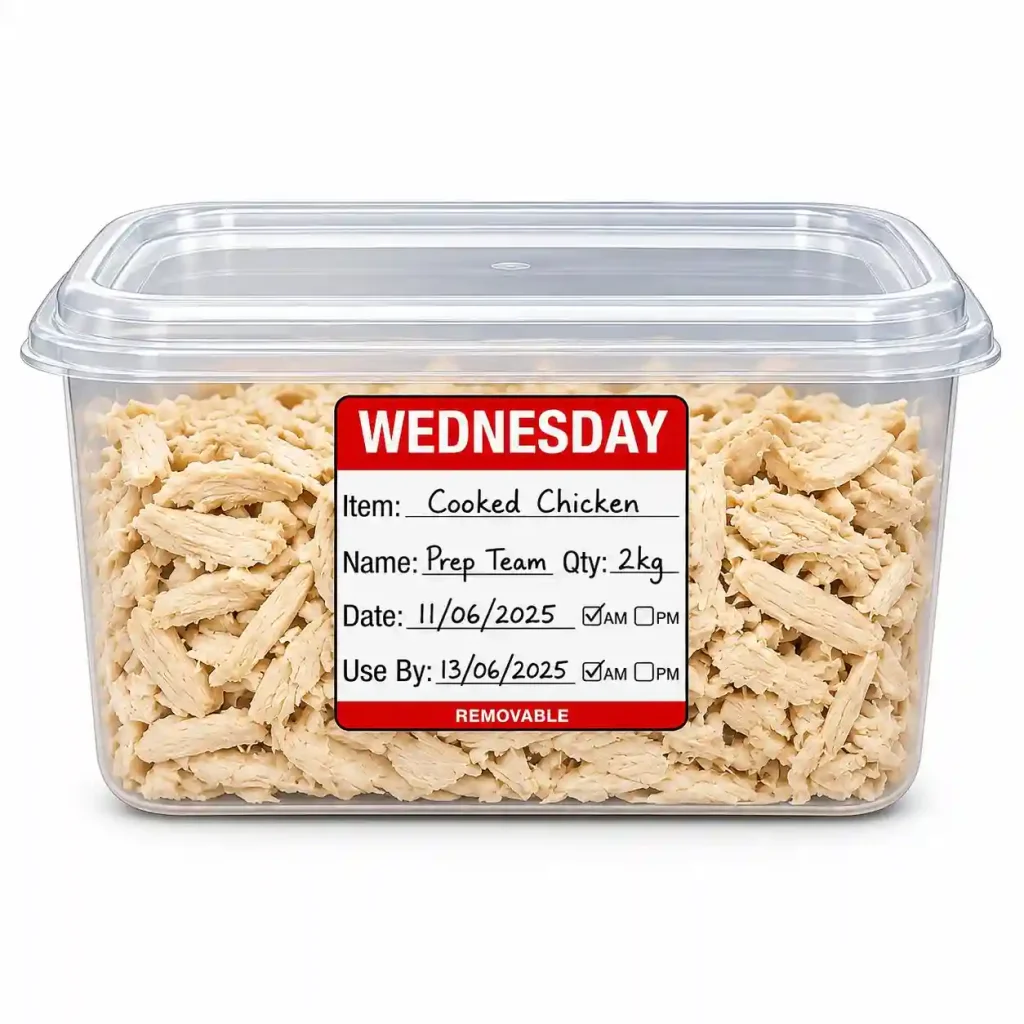
Allergen and ingredient labels share key food information clearly. Use plain language and readable type. Follow applicable local food-labeling rules.
QR Code Labels
QR code labels can link customers to digital menus, reviews, loyalty offers, social media pages, or reorder pages. Print the code large enough to scan.
Best Label Materials for Restaurant Packaging
Paper labels suit dry packaging. BOPP, vinyl, and laminated labels perform better around moisture, oil, refrigeration, and handling. Apply labels to outer packaging, never directly onto food.
| Label Material | Best For | Key Benefits | Considerations |
| Kraft paper | Dry bags, bakery boxes | Natural look | Weak against oil |
| White paper | Cups, grab-and-go | Sharp printing | Avoid condensation. |
| BOPP | Chilled, oily foods | Moisture resistance | Test adhesive first. |
| Vinyl | Delivery bags, jars | Durable, flexible | Higher cost |
| Laminated | Frequently handled packs | Scratch protection | Thicker film |
Performance depends on material, adhesive, surface type, temperature, and handling.
Paper and Kraft Labels
Kraft and paper labels suit dry takeaway bags, bakery boxes, coffee cups, and indoor grab-and-go packaging. Kraft adds a natural look. Keep them away from oily surfaces.
Waterproof and Grease-Resistant Labels
BOPP, vinyl, and laminated labels handle chilled items, oily foods, condensation, and delivery handling. Waterproof food labels and grease-resistant food labels stay readable longer.
Food Labels and Stickers for Takeaway and Delivery
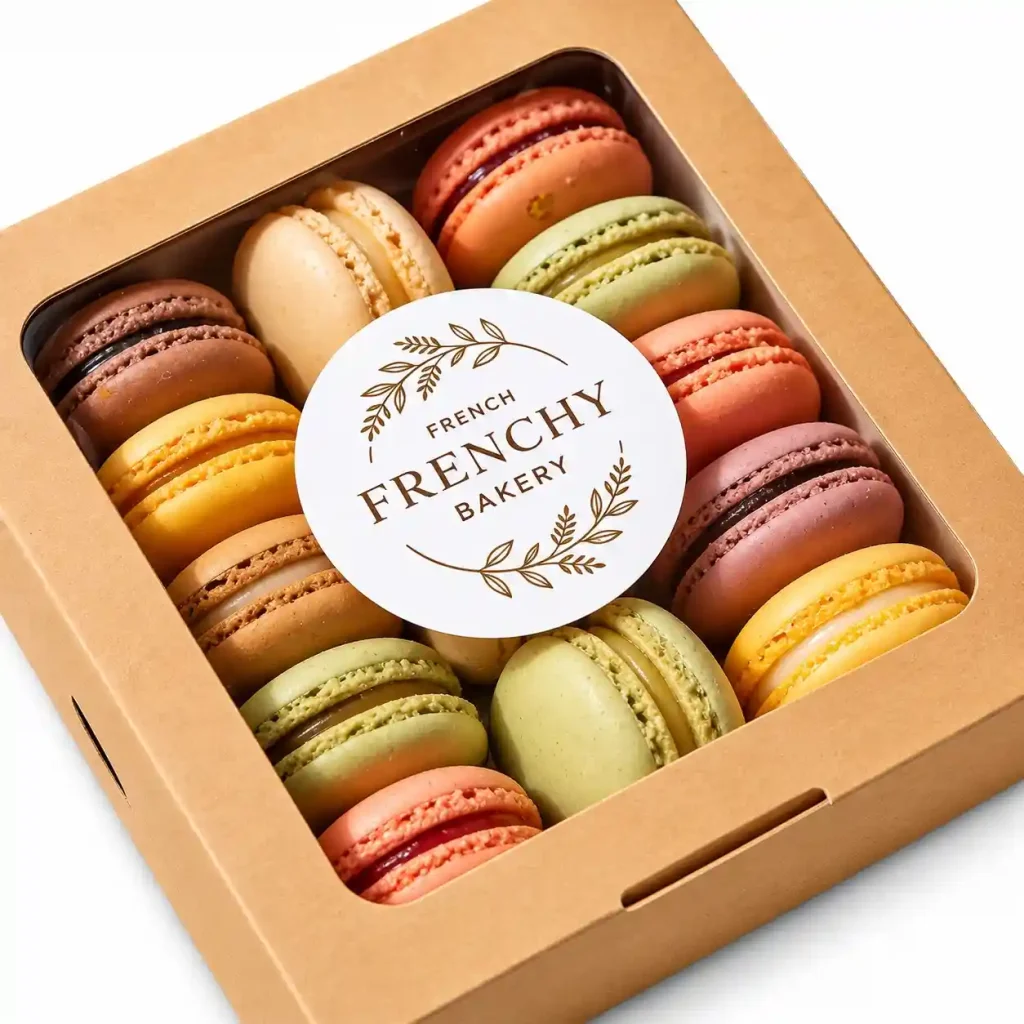
Takeaway labels and food delivery labels keep orders organized from kitchen to doorstep. Restaurants use them on takeaway boxes, delivery bags, cups, clamshells, jars, bakery boxes, and meal-prep containers. They carry order numbers, delivery instructions, and reheating directions. Tamper-evident seals add reassurance.
Labels for Takeaway Boxes and Bags
Use logo stickers to brand box lids. Place a seal across the bag fold. Add short reheating or handling notes, such as “Keep upright.”
Labels for Meal-Prep and Delivery Kitchens
Meal-prep brands and cloud kitchens label every container. Labels show order details, dates, ingredients, allergens, and delivery instructions. This keeps multi-meal orders accurate.
How to Design Effective Restaurant Food Labels
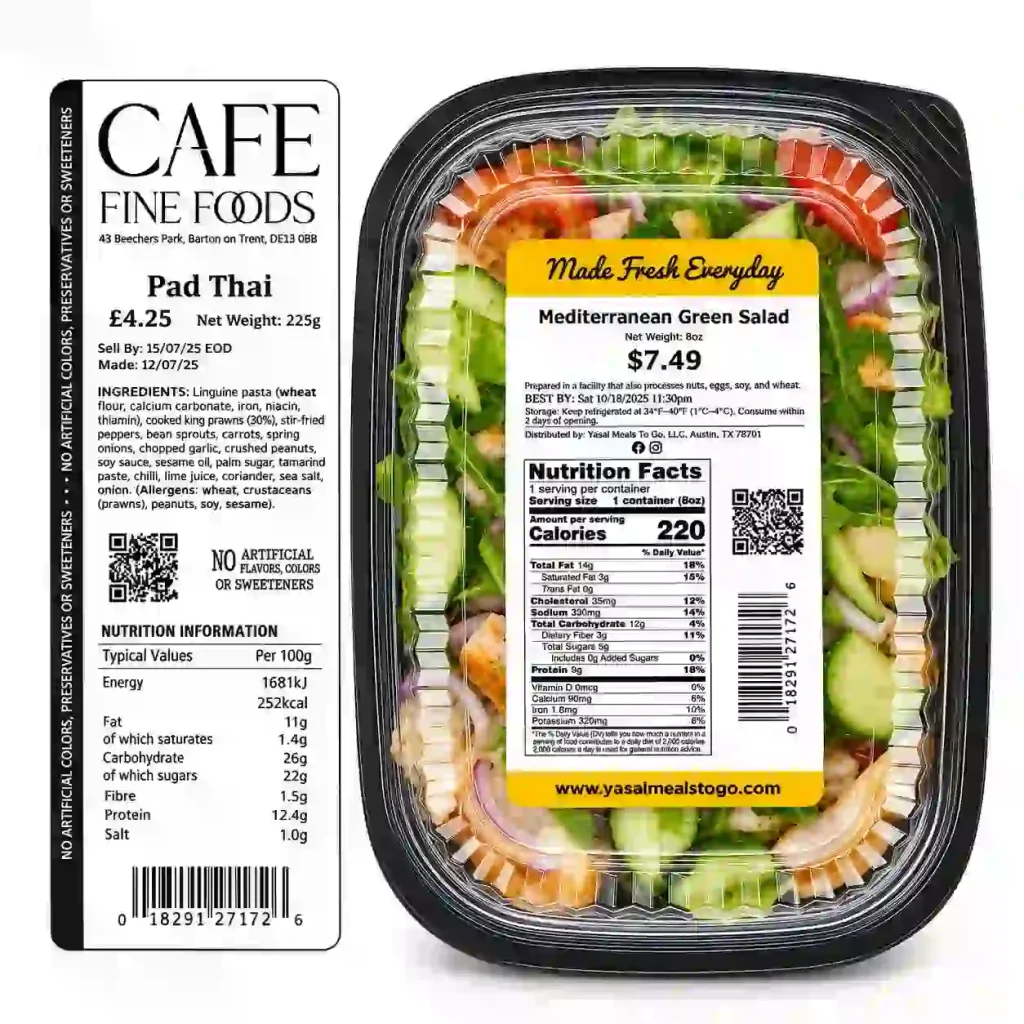
Strong design makes a label useful at a glance. Start with your logo and brand colors. Choose readable fonts and keep text large enough to read quickly. Use food-safe inks, and place QR codes on flat areas where phones can scan them. Add allergen icons where space allows. Choose a size that fits without covering seams.
Use this checklist before you print:
- Show your logo clearly
- Use high-contrast, readable fonts
- Choose food-safe inks
- Keep QR codes flat and scannable
- Match label size to the packaging
Custom Food Labels and Stickers for Restaurants
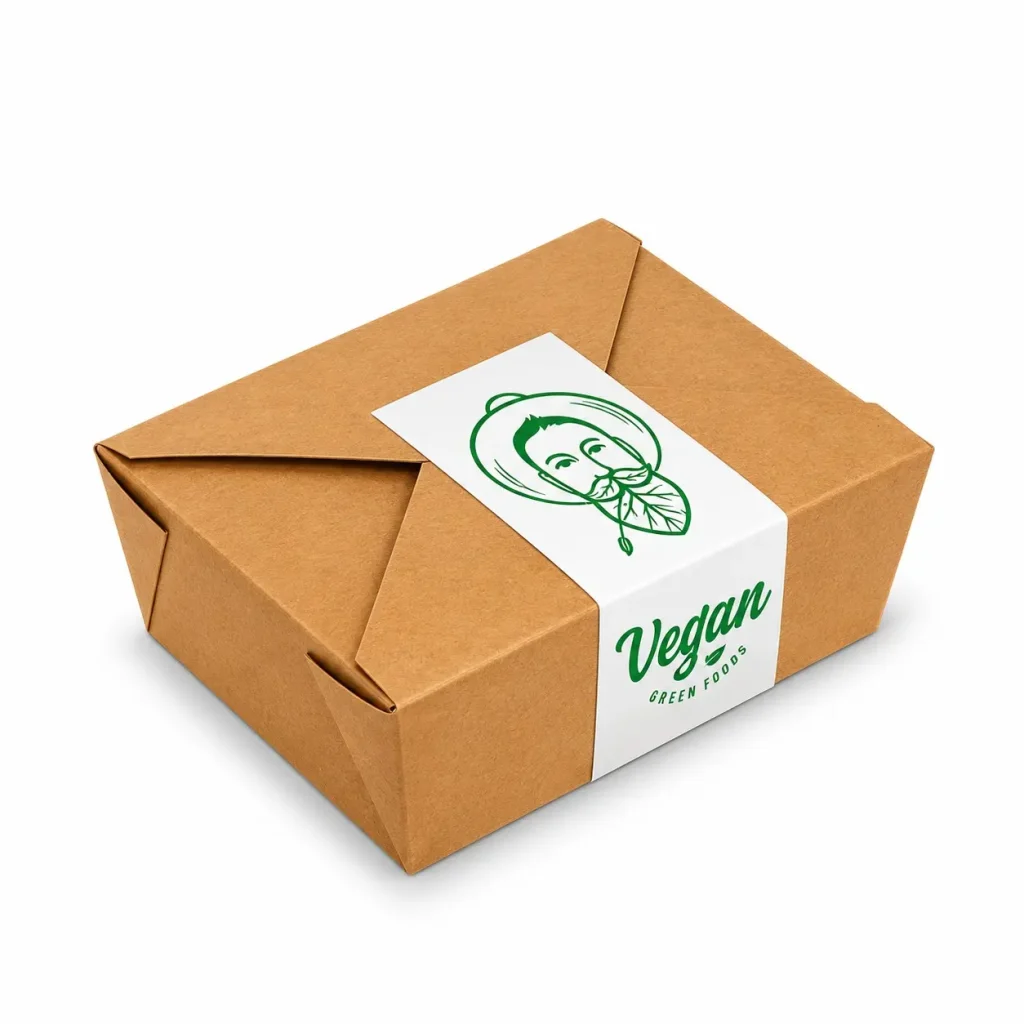
Restaurants can order custom food labels and stickers in the shapes, sizes, materials, finishes, and print styles that fit their packaging. Roll labels speed up busy counters. Sheet labels suit small batches and bakery orders. Die-cut stickers match your logo outline. Low MOQ options help new brands test designs, while wholesale supply keeps high-volume kitchens stocked with branded packaging for delivery and takeaway orders.
Custom Shapes and Sizes
Circle labels fit cup lids and jar tops. Square and rectangle labels suit boxes, bags, and ingredient panels. Oval labels add a friendly look to bakery packaging. Die-cut shapes follow your logo and make a distinctive seal.
Printing and Finishing Options
Full-color printing reproduces your brand colors and photos. Matte finishes look refined, while gloss finishes make colors pop. Kraft texture adds a natural feel. Waterproof coatings add protection against moisture, and food-safe inks suit outer packaging.
Order Custom Food Labels for Your Restaurant
Choose labels based on your packaging type, food temperature, branding needs, and delivery volume. Contact Limcy Packaging to request custom sizes, material recommendations, samples, wholesale pricing, and branded food labels.
FAQs
Q1. What are food labels and stickers used for?
Ans. They brand your packaging, share order and allergen details, and seal takeaway and delivery orders.
Q2. What is the best label material for takeaway containers?
Ans. Waterproof BOPP or laminated labels suit most takeaway containers, especially chilled or oily food. Test the adhesive on your container first.
Q3. Can food labels be customized with a restaurant logo?
Ans. Yes. Choose your size, shape, material, and finish, then add your logo and brand colors.
Q4. Are tamper-evident labels necessary for food delivery?
Ans. Requirements vary by location, but they build customer trust. A visible seal shows whether a package was opened.