Introduction
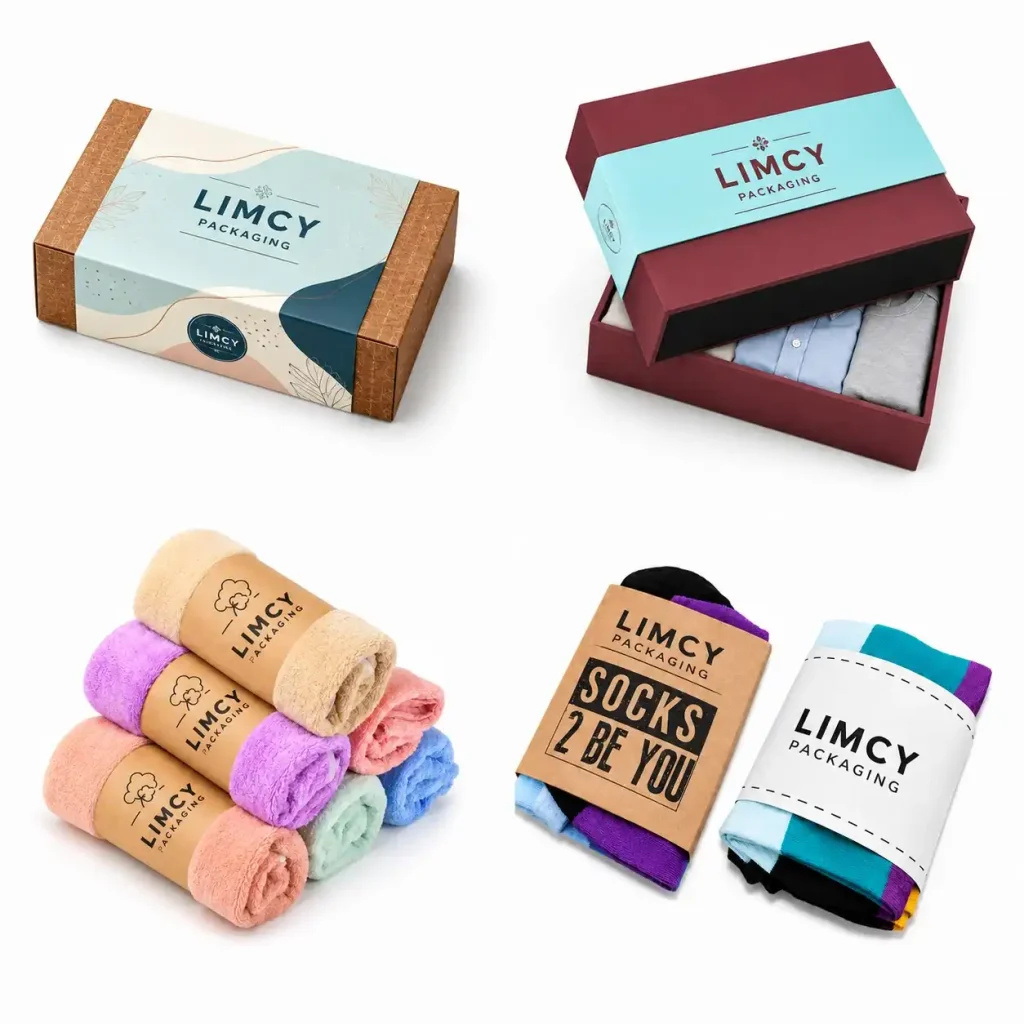
Choosing the correct belly band dimensions is one of the most important steps in apparel packaging. A belly band is a printed paper strip that wraps around folded clothing to hold it neatly while displaying your logo, product details, or promotional message. It offers a clean, premium appearance without the cost of a full packaging box, making it a popular choice for apparel brands, online stores, and retail businesses.
A properly sized belly band improves presentation and keeps garments folded during storage, shipping, and display. If the band is too tight, it can crease the fabric. If it is too loose, the clothing may shift or lose its shape. Selecting the right dimensions creates a professional look and helps deliver a better customer experience from the moment the package is opened.
Factors That Affect Size Choice
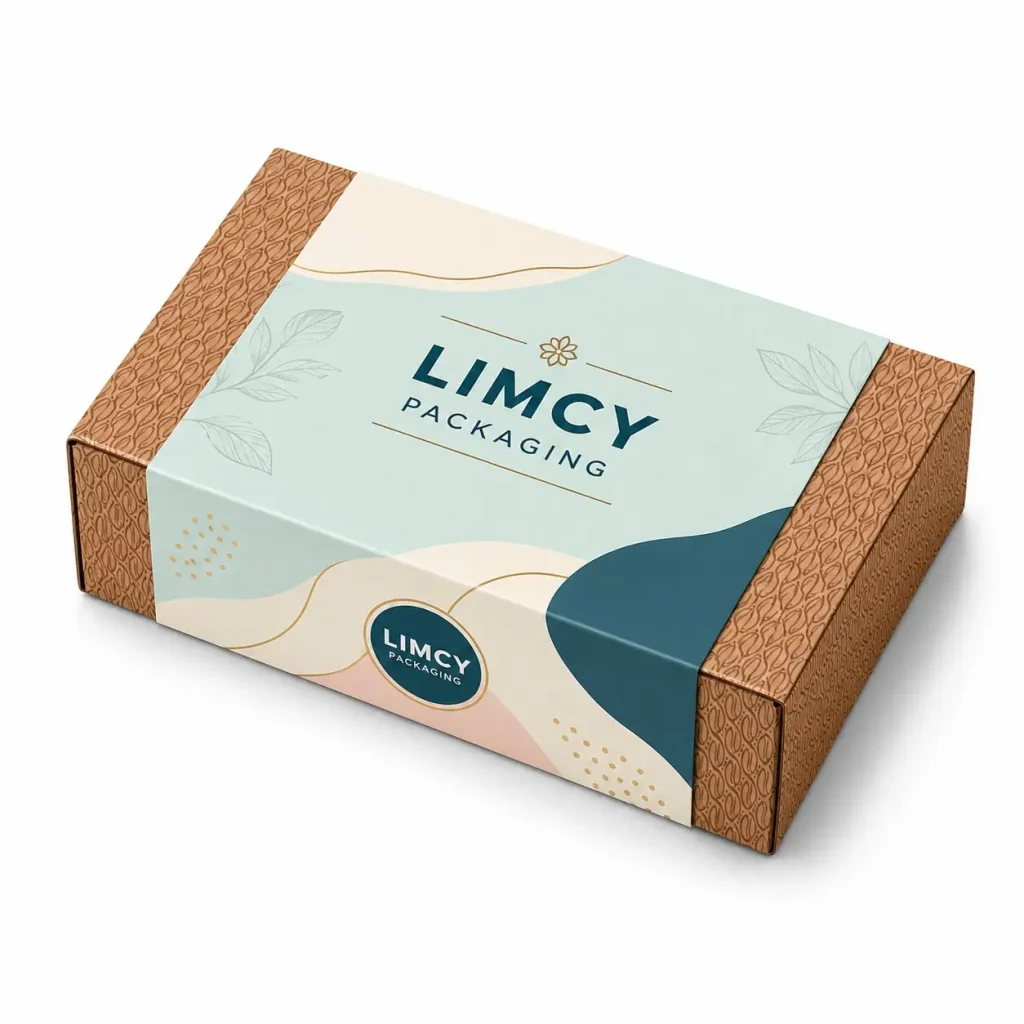
Several factors influence the best belly band dimensions for clothing packaging. The folded size of the garment is the first thing to consider because different apparel items require different wrap lengths. A folded t-shirt needs a much shorter band than a hoodie or sweater.
Other factors include:
- Garment thickness
- Folding style
- Paper or cardstock thickness
- Branding and design space
- Adhesive overlap
The width of the belly band should leave enough clothing visible while still providing space for branding. Premium cardstock also requires slightly different measurements than lightweight paper because it bends differently around folded garments. Taking these details into account helps create packaging that looks attractive and functions properly.
Common Belly Band Dimensions

Although every apparel product is different, several belly band packaging sizes are commonly used across the industry. These measurements provide a useful starting point before creating custom packaging.
| Apparel Item | Folded Size | Suggested Belly Band Dimensions |
| T-Shirts | 10 × 12 in | 3 × 15 in |
| Polo Shirts | 10 × 12 in | 3 × 16 in |
| Dress Shirts | 10 × 13 in | 3.5 × 17 in |
| Jeans | 9 × 12 in | 3 × 16 in |
| Sweaters | 11 × 14 in | 4 × 19 in |
| Hoodies | 12 × 15 in | 4 × 21 in |
| Socks (Pair) | 4 × 8 in | 2 × 10 in |
| Bath Towels | 12 × 16 in | 4 × 22 in |
| Hand Towels | 8 × 12 in | 3 × 16 in |
| Tea Towels | 8 × 10 in | 3 × 14 in |
| Throws | 15 × 18 in | 5 × 26 in |
| Blankets | 16 × 20 in | 5 × 28 in |
These are standard recommendations rather than fixed rules. Every brand folds clothing differently, so testing samples before ordering large quantities is always recommended. Many businesses choose custom belly band measurements to match their products perfectly and maintain a consistent brand presentation.
How to Measure Correctly
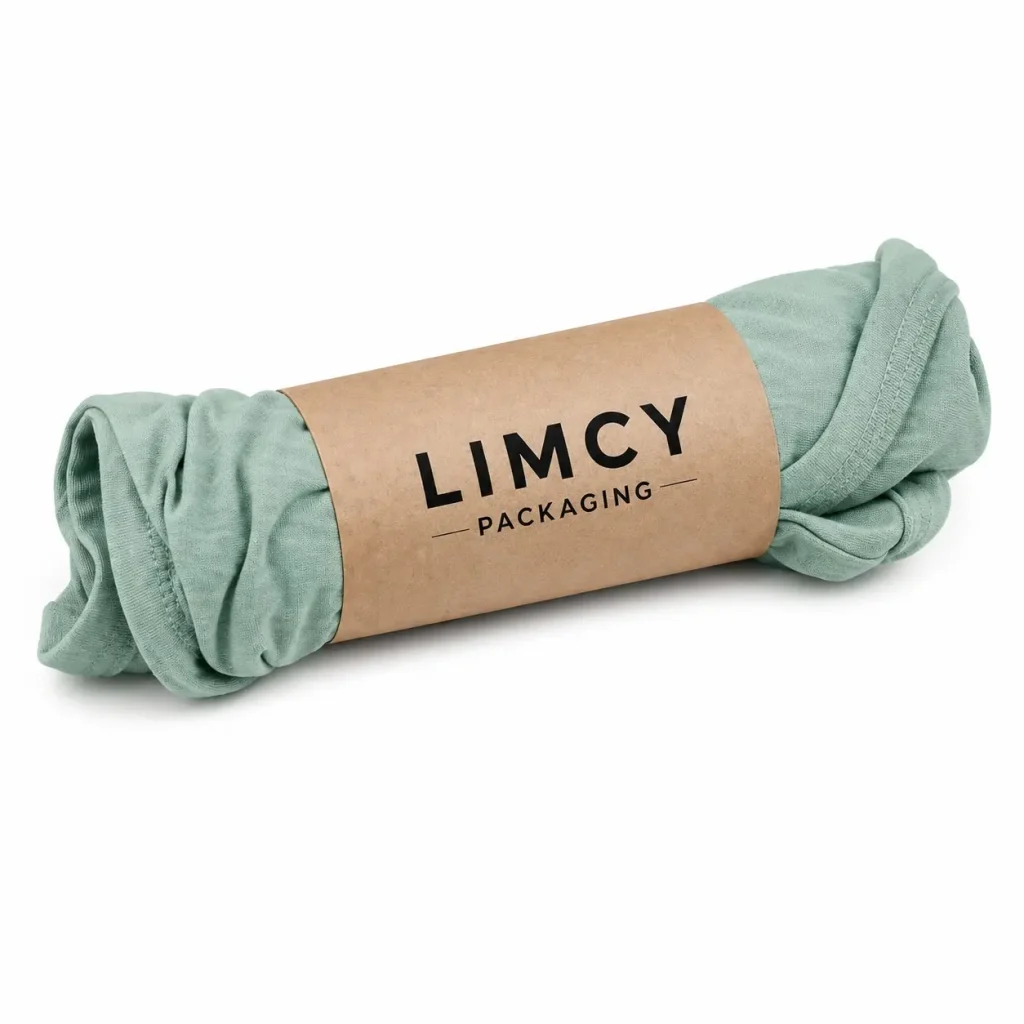
Accurate measuring is the key to selecting the right belly band dimensions. Start by folding the garment exactly as it will be packed for customers. Measure the width, height, and thickness of the folded clothing before calculating the required wrap length.
For the best results:
- Measure completely around the folded garment.
- Add 0.5 to 1 inch for overlap.
- Choose a width that supports the garment without hiding too much of it.
- Print a sample before mass production.
Testing a physical sample allows you to identify small sizing issues before printing thousands of pieces. Even a minor adjustment can improve both appearance and usability while reducing packaging waste.
Mistakes to Avoid
One of the biggest mistakes is assuming one size fits every clothing item. Lightweight t-shirts, jeans, sweaters, and hoodies all have different packaging requirements. Using identical belly band sizes often produces loose wraps or excessive pressure on thicker garments.
Another common error is forgetting to allow space for adhesive overlap. Without it, the band may not close properly. Some businesses also ignore paper thickness, which changes the final fit. Others focus only on appearance and forget practical handling during packaging.
Avoid rushing the measuring process. A simple prototype costs very little but can prevent expensive printing mistakes. Careful planning produces stronger branding, better protection, and a cleaner presentation for every order.
Limcy Packaging Custom Belly Band Solutions
At Limcy Packaging, we provide custom belly band packaging solutions tailored to different apparel products and brand requirements. From choosing the right belly band dimensions to selecting suitable materials and finishes, we help businesses create practical, attractive, and professional packaging that enhances product presentation.
Conclusion
Selecting the correct belly band dimensions helps apparel businesses create packaging that looks professional while protecting folded garments throughout storage and shipping. Proper measurements improve presentation, reduce waste, and strengthen brand consistency across every product line.
Although standard apparel packaging dimensions provide a useful starting point, every clothing brand should measure its own folded products before finalizing production. A small investment in testing ensures the perfect fit and delivers packaging that reflects quality from the first impression to the final unboxing experience.
FAQs
Q1. What is the standard width of a belly band for apparel?
Ans. Most apparel belly bands are between 2.5 and 4 inches wide, depending on the garment size and branding requirements.
Q2. How much overlap should a belly band have?
Ans. A typical overlap of 0.5 to 1 inch provides enough space for adhesive while keeping the band secure.
Q3. Can one belly band size fit every clothing item?
Ans. No. Different garments have different folded sizes, so custom measurements usually provide the best fit and appearance.
Q4. What material is commonly used for belly bands?
Ans. Most businesses use coated paper, kraft paper, or premium cardstock because they print well and provide excellent durability.
Q5. Why are accurate belly band measurements important?
Ans. Correct measurements keep garments secure, improve presentation, reduce packaging waste, and create a better customer experience with professional-looking wrap-around sleeves.