

Choosing the correct belly band packaging sizes for apparel is important for both product presentation and protection. A well-sized belly band keeps folded garments secure without adding unnecessary bulk. It also creates a clean, organized appearance that improves the unboxing experience. Whether you package T-shirts, hoodies, or dress shirts, selecting the right dimensions helps maintain consistency while supporting efficient packing, storage, and retail display for apparel brands of every size.
What Is Belly Band Packaging for Apparel?
Belly band packaging is a paper or cardstock sleeve wrapped around folded clothing instead of placing the product inside a full box. These custom apparel packaging sleeves hold garments neatly while leaving much of the fabric visible. As a result, customers can quickly identify the product without opening the package.
Many clothing brands use clothing belly bands for retail displays, gift packaging, and online orders. They provide enough space for branding, product information, and care instructions without covering the entire garment. In addition, garment wrap packaging and apparel wrap packaging reduce material usage while maintaining a professional presentation.
How to Choose the Right Size
Selecting the correct size depends on the garment’s folded dimensions, fabric thickness, and packaging style. A belly band should fit firmly without squeezing the clothing or becoming loose during handling. Measuring folded products before ordering custom belly bands for apparel wrap packaging helps prevent sizing mistakes and unnecessary production costs.
For Folded T-Shirts
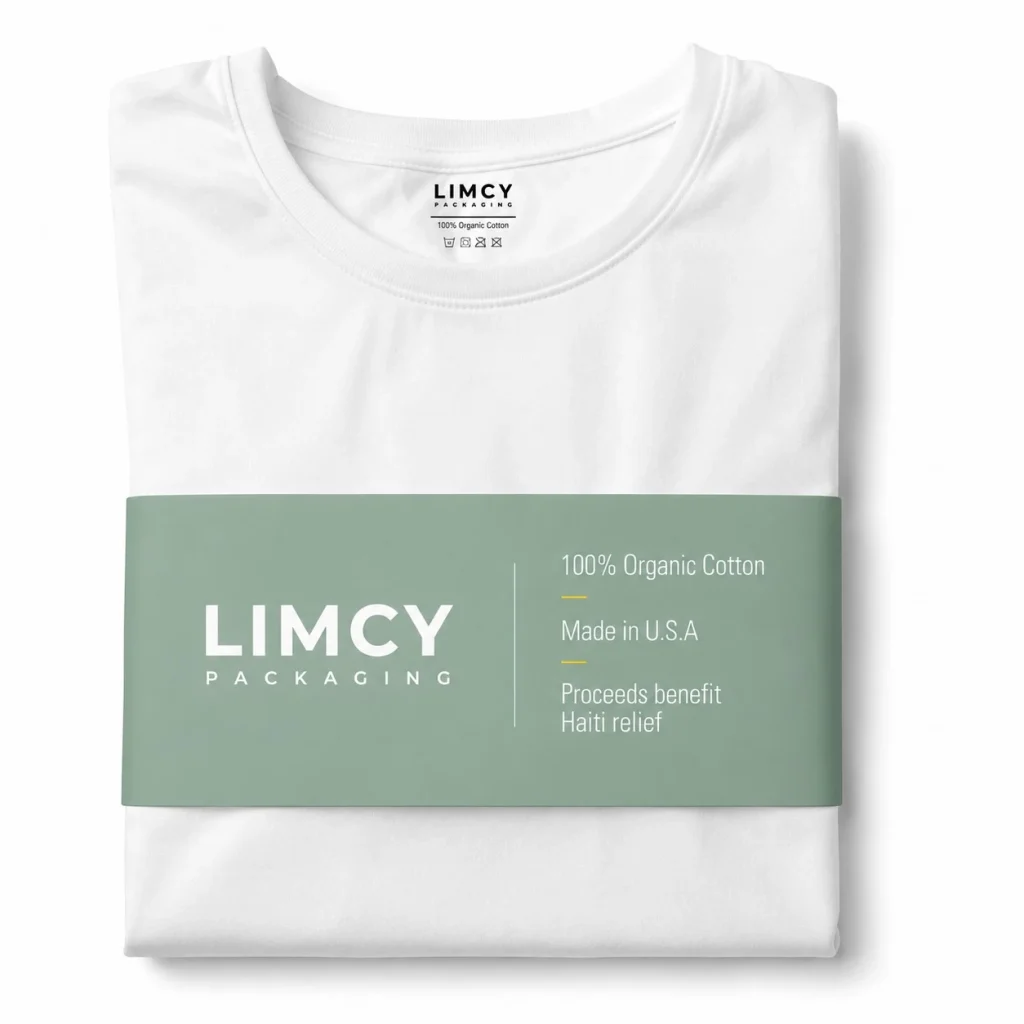
Folded T-shirts usually require narrow packaging sleeves for apparel because lightweight fabrics create less bulk. The band should wrap around the folded shirt comfortably while leaving enough overlap for secure sealing. Slight adjustments may be needed for thicker cotton or oversized styles.
For Hoodies and Sweatshirts

Hoodies and sweatshirts require wider and longer belly bands because they create more thickness after folding. Choosing a larger sleeve prevents tearing and allows the packaging to sit flat. It also keeps the folded garment stable during shipping and shelf display.
For Shirts and Light Garments
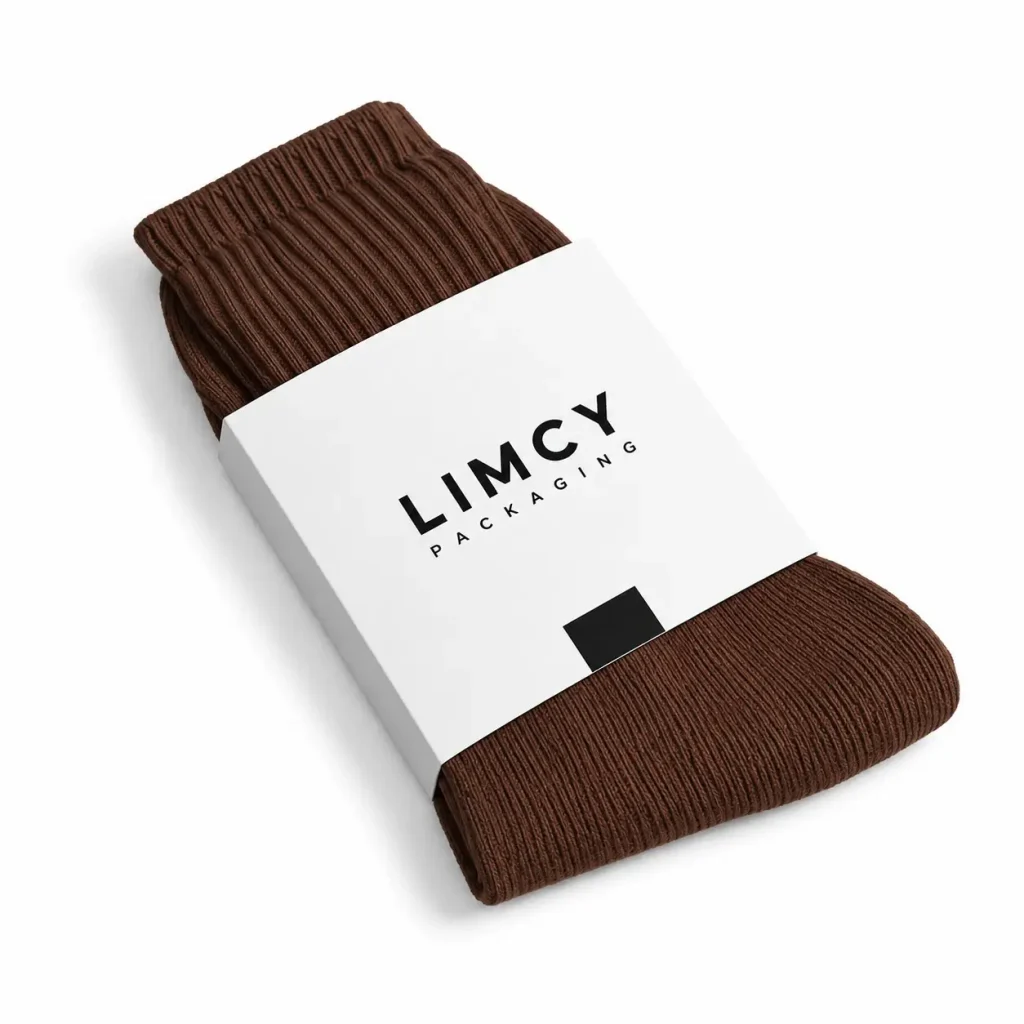
Dress shirts, polo shirts, and lightweight tops generally need medium-sized belly bands. The correct fit keeps collars, sleeves, and folded edges aligned without excessive pressure. This creates a neat presentation while protecting the garment from shifting during transport.
Common Size Options for Apparel Belly Bands
Although every product has unique dimensions, most packaging projects follow common size ranges based on folded garment measurements. Standard options simplify ordering while still allowing flexibility for custom branding and printing.
Small Sizes for Slim Packaging
Small belly bands are suitable for lightweight items such as children’s clothing, tank tops, scarves, and thin T-shirts. These sizes reduce unnecessary paper while keeping products secure. They also create a minimal appearance that suits modern retail packaging.
Medium Sizes for Standard Apparel
Medium sizes work well for most adult T-shirts, polos, casual shirts, and similar garments. They provide enough printable space for logos, sizing details, and product information. For many clothing brands, this is the most practical and versatile option because it balances coverage with material efficiency.
Large Sizes for Bulky Garments
Large belly bands are designed for sweatshirts, hoodies, knitwear, jackets, and other thicker apparel. Extra width and length ensure complete coverage around the folded product without stretching the material. This helps maintain an attractive appearance even after shipping and repeated handling.
Limcy Packaging’s Custom Belly Band Solutions
Limcy Packaging provides custom belly bands for apparel in a wide range of sizes, paper stocks, and printing finishes. Whether you need packaging for T-shirts, shirts, hoodies, or premium garments, the company offers tailored solutions that match Belly band packaging sizes for apparels while supporting consistent branding and efficient packaging.
Why Size Matters in Apparel Packaging
The correct belly band size improves both appearance and functionality. An oversized band may slide off during handling, while an undersized one can wrinkle the garment or damage the packaging. Finding the right balance creates a cleaner presentation and protects clothing throughout storage and delivery.
Accurate sizing also supports faster packaging operations. Employees can wrap garments consistently without making adjustments for every product. This saves time, reduces material waste, and creates a uniform look across an entire clothing collection.
From a branding perspective, consistent sizing strengthens product presentation. Customers notice organized packaging because it reflects attention to detail and quality. Well-fitted packaging sleeves for apparel also photograph better for online stores, helping brands present products more professionally across digital sales channels.
Conclusion
Selecting the right belly band packaging sizes for apparel is a simple but important step in creating efficient, attractive clothing packaging. The right dimensions keep garments secure, improve presentation, and support smooth packing operations. By measuring folded apparel carefully, choosing suitable materials, and matching the band size to each garment type, businesses can achieve practical, professional results. Whether using standard dimensions or custom sizes, well-designed belly bands help clothing products look organized, protect garments during handling, and deliver a better experience for retailers and customers alike.
Ready to customize your apparel packaging? Get a packaging quote to find the right belly-band solution for your clothing brand.
Q1. What is belly band packaging for apparel?
Ans. Belly band packaging is a paper sleeve wrapped around folded clothing to keep it secure while showcasing the product.
Q2. How do I choose the right belly band size?
Ans. Measure the folded garment’s width, height, and thickness, then select a band that fits snugly without being too tight.
Q3. Which garments are best suited for belly bands?
Ans. Belly bands work well for T-shirts, shirts, hoodies, sweatshirts, and other neatly folded apparel.
Q4. What materials are commonly used for apparel belly bands?
Ans. Kraft paper, coated cardstock, and recycled paper are the most common materials for durable and attractive belly bands.
Q5. Can custom belly bands improve apparel branding?
Ans. Yes. Custom belly bands provide space for logos, product details, and brand messaging while creating a professional presentation.