
Introduction
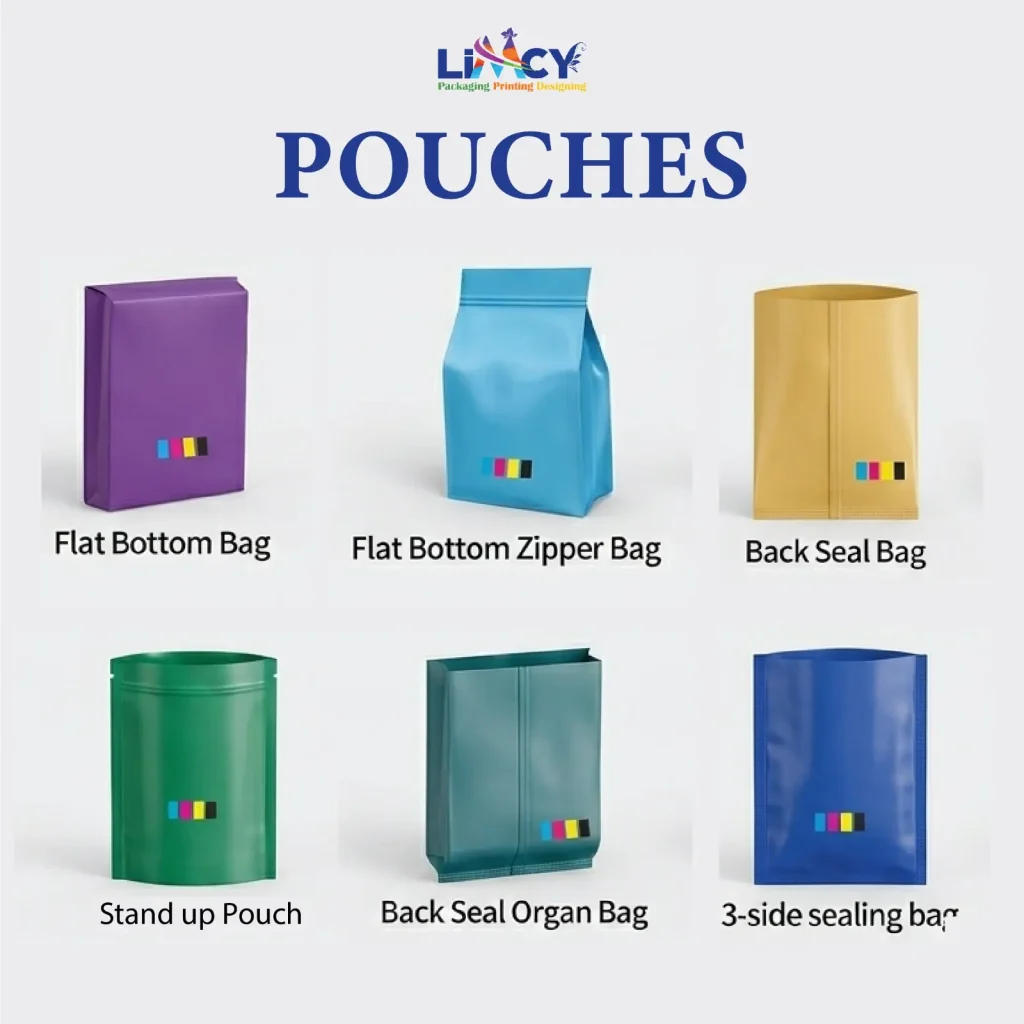
Packaging plays a major role in how customers view a product. It protects items during shipping, keeps products fresh, and helps brands create a professional image. Modern businesses are increasingly focusing on flexible packaging bags because it is lightweight, cost-effective, and visually appealing.
Choosing the right packaging bag types is important for small businesses, e-commerce brands, and manufacturers. Different products require different packaging solutions, and using the wrong style can affect product quality, storage, and customer experience. This guide explains six popular packaging bag styles and how they are used in modern packaging.
Why Packaging Bag Types Matter
Good packaging does more than simply hold a product. It improves branding, protects products from damage, and creates a better customer experience. Customers often judge product quality based on packaging appearance before they even try the product itself.
Modern packaging helps businesses improve in the following ways:
- Product protection
- Shelf visibility
- Customer convenience
- Brand presentation
Flexible packaging is also easier to store and transport than rigid packaging. That is why many growing brands now prefer pouches and flexible bags for retail and e-commerce packaging.
3-Side Seal Pouch
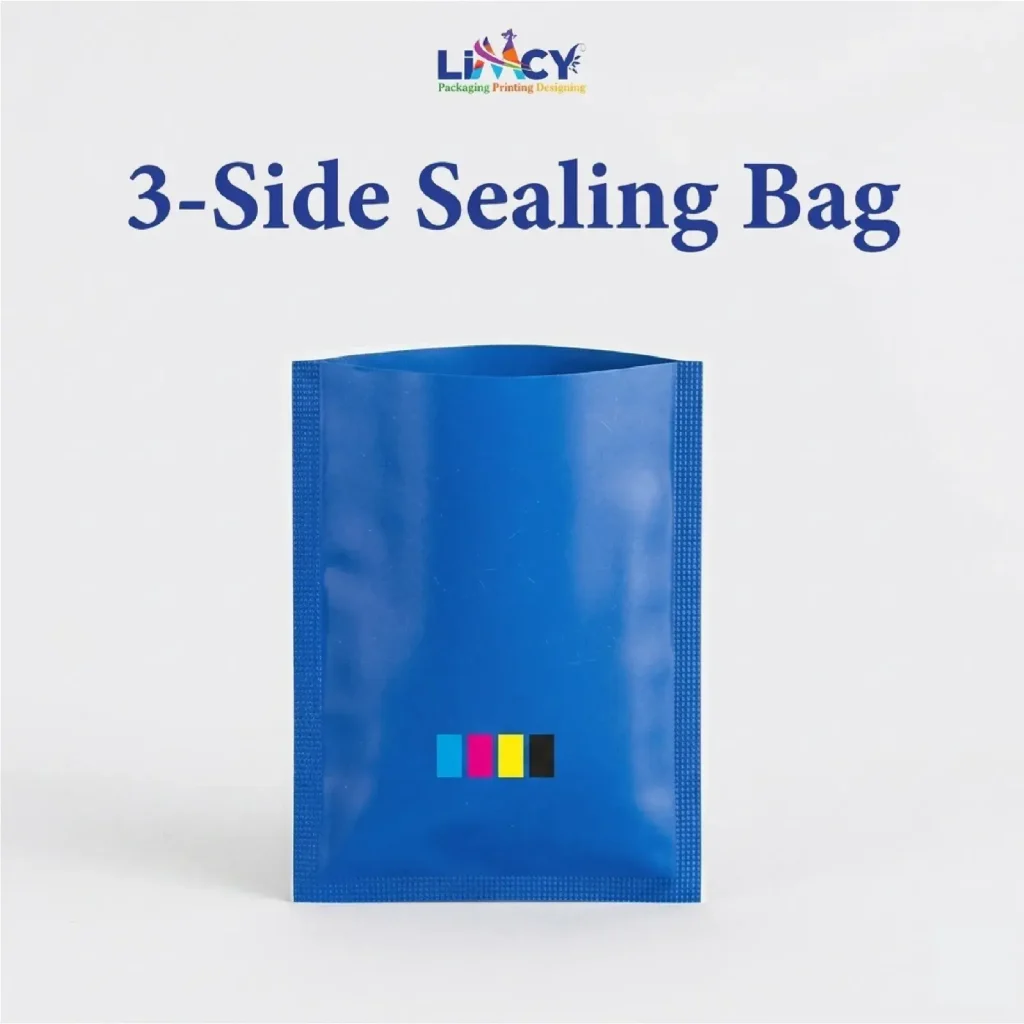
The 3-Side Seal Pouch is one of the most commonly used flexible packaging bags styles. It is sealed on three sides, while one side remains open for filling and final sealing. This creates a compact and flat packaging design that works well for lightweight products.
Many businesses prefer this pouch because it is affordable, space-saving, and easy to customize with printing. It is widely used for snack products, spice packaging, coffee sachets, frozen foods, powders, and cosmetic samples. Its strong sealing performance also helps protect products from moisture and contamination.
Stand-Up Pouch
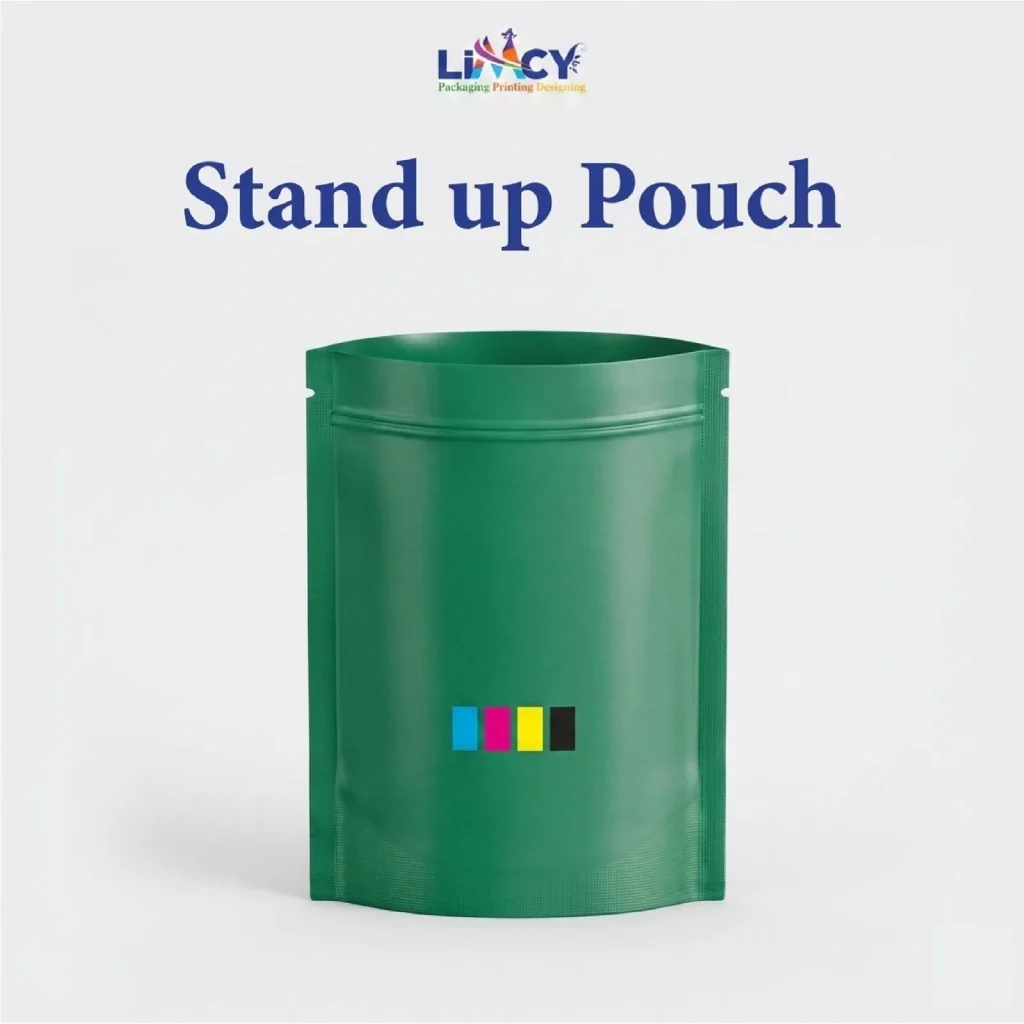
The Stand-Up Pouch is designed with a bottom gusset that allows it to stand upright on shelves. This structure improves product visibility and gives packaging a premium appearance. Retail brands often choose stand-up pouches because they attract customer attention more effectively than flat packaging.
These pouches are commonly used for coffee, tea, dry fruits, protein powders, pet food, and skincare products. They are lightweight, durable, and easy for customers to store at home. The large printable surface also gives businesses more space for branding and product information.
Flat Bottom Zipper Bag
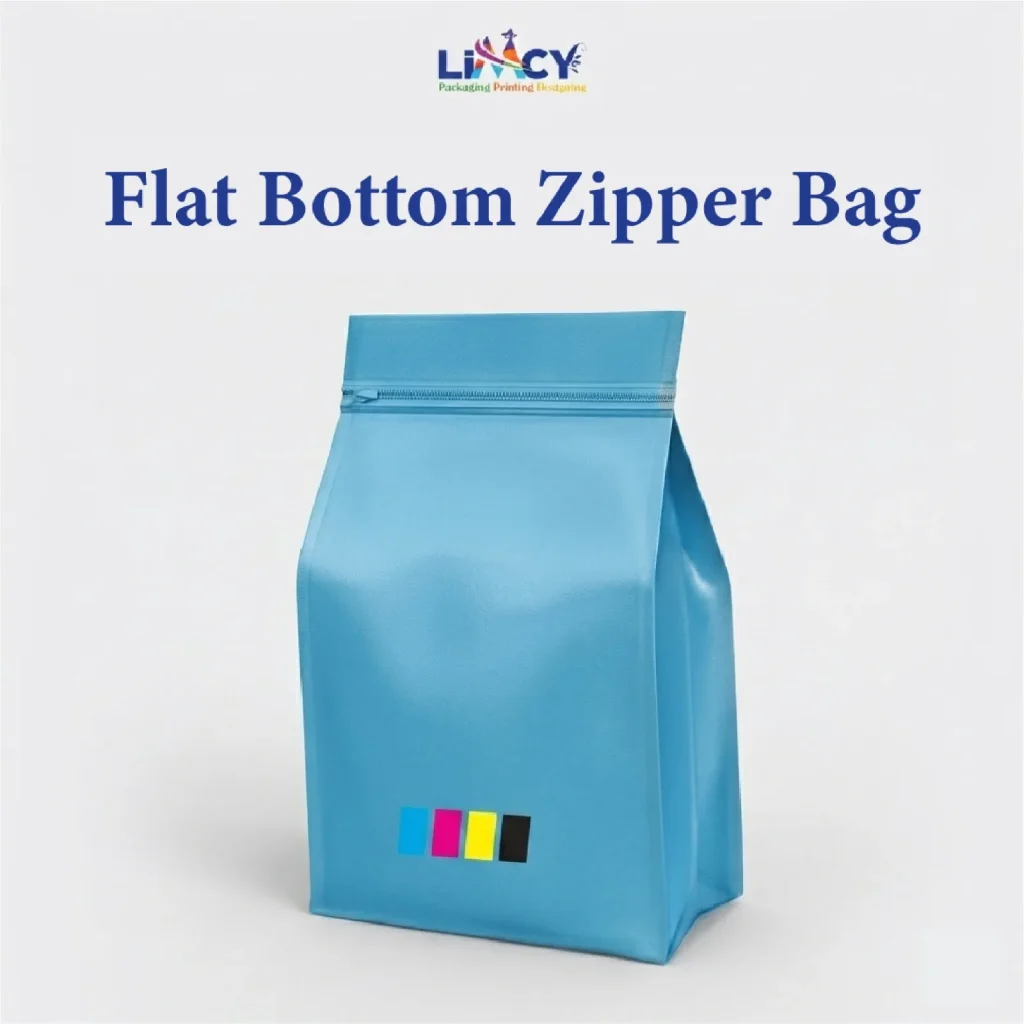
The flat-bottom zipper bag is a premium packaging option designed with a flat base for strong stability and a resealable zipper for added convenience. It stands upright easily, which improves shelf display and gives products a clean, modern look. This style is widely used by brands that want both functionality and strong visual appeal.
It is commonly used for coffee, snacks, dry fruits, pet food, and protein powders. Its structure supports branding and product information effectively, making it suitable for retail and e-commerce packaging. Key advantages include the following:
- Strong shelf stability
- Resealable zipper for freshness
- Premium and modern appearance
- Suitable for multiple product types
Flat Bottom Bag
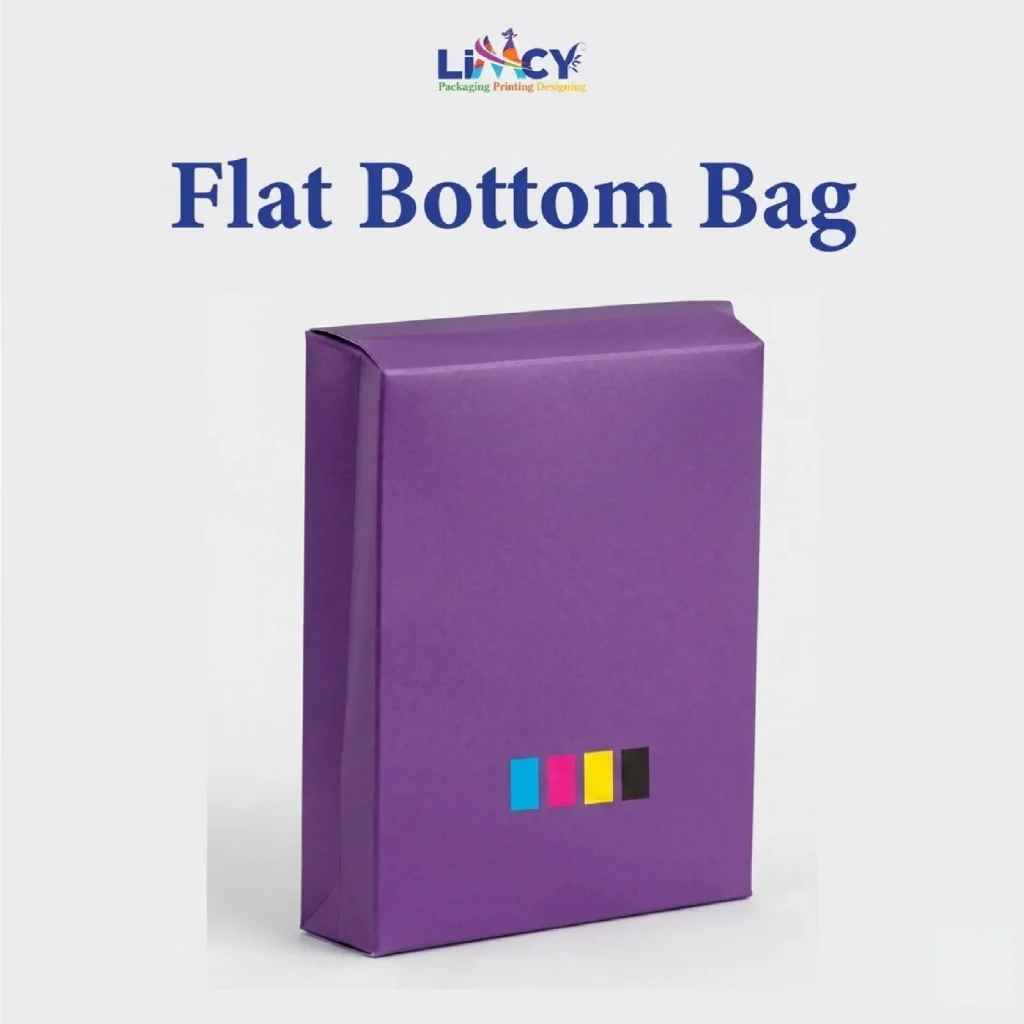
The flat-bottom bag features a box-like structure with a flat base that improves stability and storage efficiency. It offers a premium look on retail shelves while providing enough space for branding and product presentation. This makes it a preferred choice for many food and retail products.
It is widely used for coffee, tea, grains, bakery items, and bulk packaging. The design helps protect products during storage and shipping while maintaining an organized appearance. Main benefits include:
- Stable flat-base structure
- Better product storage capacity
- Strong branding surface
- Suitable for bulk and food packaging
Back Seal Bag
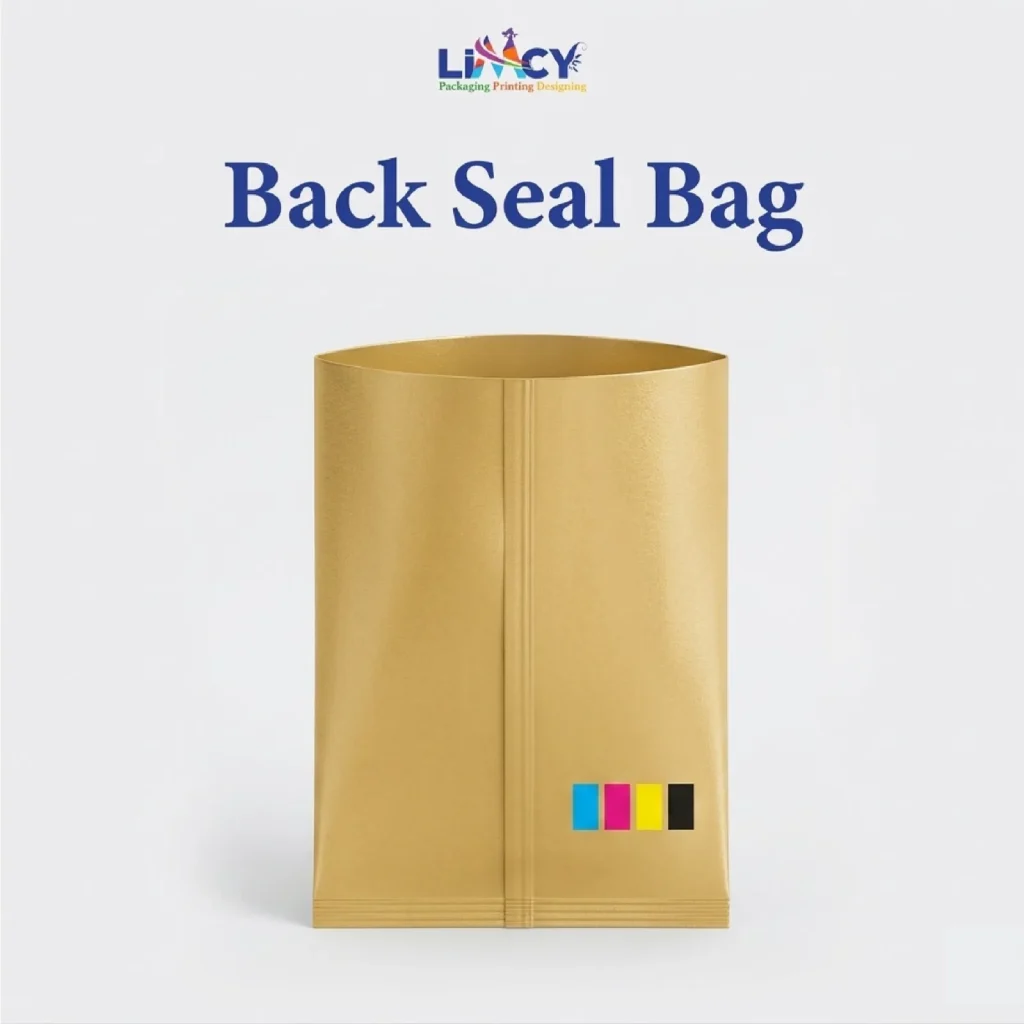
The back seal bag features a vertical seal along the backside of the package. This design creates a clean front surface that works well for branding and product graphics. It is commonly used in industries that require fast and efficient packaging production.
Back seal bags are widely used for chips, biscuits, candies, instant foods, and powder products. Businesses prefer this packaging style because it is simple, cost-effective, and compatible with automatic packaging machines. Its lightweight design also helps reduce packaging and transportation costs.
Back Seal Organ Bag
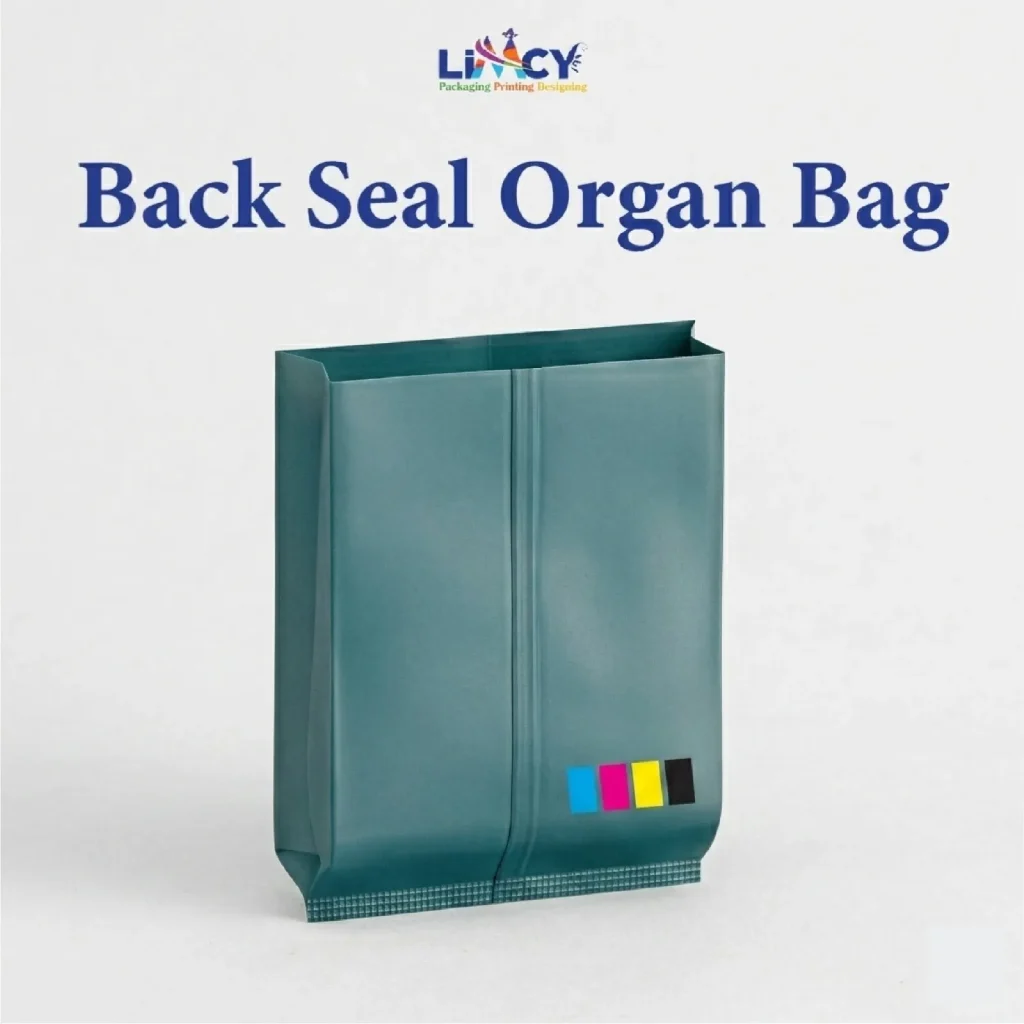
The Back Seal Organ Bag includes side gussets that expand when filled with products. This design provides extra storage capacity while maintaining a neat appearance. It is commonly used for products that require stronger packaging support and larger storage space.
This packaging style is suitable for coffee, rice, dry fruits, pet food, grains, and bulk snack products. The side gussets help distribute product weight evenly, making the bag more stable during transportation and storage.
Comparing Different Packaging Bag Types
| Packaging Type | Best For | Main Advantage |
| 3-Side Seal Pouch | Sachets and snacks | Compact and affordable |
| Stand-Up Pouch | Coffee and supplements | Strong shelf visibility |
| Zipper Bag | Snacks and retail items | Resealable convenience |
| Zipper Stand-Up Pouch | Premium products | Shelf appeal plus freshness |
| Back Seal Bag | Fast-moving products | Efficient production |
| Back Seal Organ Bag | Bulk packaging | Extra storage capacity |
Every flexible packaging bags styles serves a different purpose. The right choice depends on product type, branding goals, and customer needs.
How to Choose the Right Pouch Packaging
Before selecting packaging, businesses should focus on both functionality and presentation. Packaging should protect the product while also making it attractive and easy to use.
Factors to consider include product size, moisture protection, shipping conditions, shelf display, and customer convenience. Businesses should also think about branding opportunities because packaging often creates the first impression for customers.
Choosing packaging based only on appearance is a common mistake. Strong packaging performance matters just as much as attractive design.
Why Businesses Choose Limcy Packaging
Limcy Packaging provides flexible packaging solutions designed for modern businesses. From stand-up pouches to zipper bags and custom packaging options, the company focuses on packaging that combines durability, branding, and functionality.
Working with a reliable packaging supplier helps businesses improve product presentation and avoid packaging issues. Professional packaging also creates better customer trust and supports long-term brand growth.
Final Thoughts
Modern businesses need packaging that protects products, improves branding, and creates a better customer experience. Different flexible Packaging Bag Types are designed for different packaging needs, which is why understanding each style is important before making a decision.
3-side seal pouches are compact and affordable, while stand-up pouches improve shelf visibility. Zipper bags offer convenience, and zipper stand-up pouches combine premium presentation with resealable functionality. Back seal bags support efficient production, while back seal organ bags provide extra storage capacity.
Choosing the right packaging helps businesses create stronger branding, improve customer satisfaction, and present products more professionally.
FAQs
Q1. Which packaging bag type is best for food products?
Ans. Stand-up pouches and zipper stand-up pouches are highly popular because they help maintain freshness and improve shelf visibility.
Q2. Why are zipper bags useful?
Ans. Zipper bags allow customers to reseal products after opening, which helps maintain freshness and convenience.
Q3. Are stand-up pouches good for e-commerce packaging?
Ans. Yes, stand-up pouches are lightweight, durable, and visually attractive, making them suitable for e-commerce businesses.
Q4. What products commonly use back seal bags?
Ans. Back seal bags are commonly used for snacks, biscuits, candies, powders, and instant food products.
Q5. How do businesses choose the right packaging?
Ans. Businesses should consider product protection, branding, storage, customer convenience, and shipping requirements before selecting packaging