Introduction
Retail stores are crowded spaces where dozens of brands compete for customer attention. Products that stand out visually often sell faster. This is where custom display boxes play a critical role in modern retail marketing.
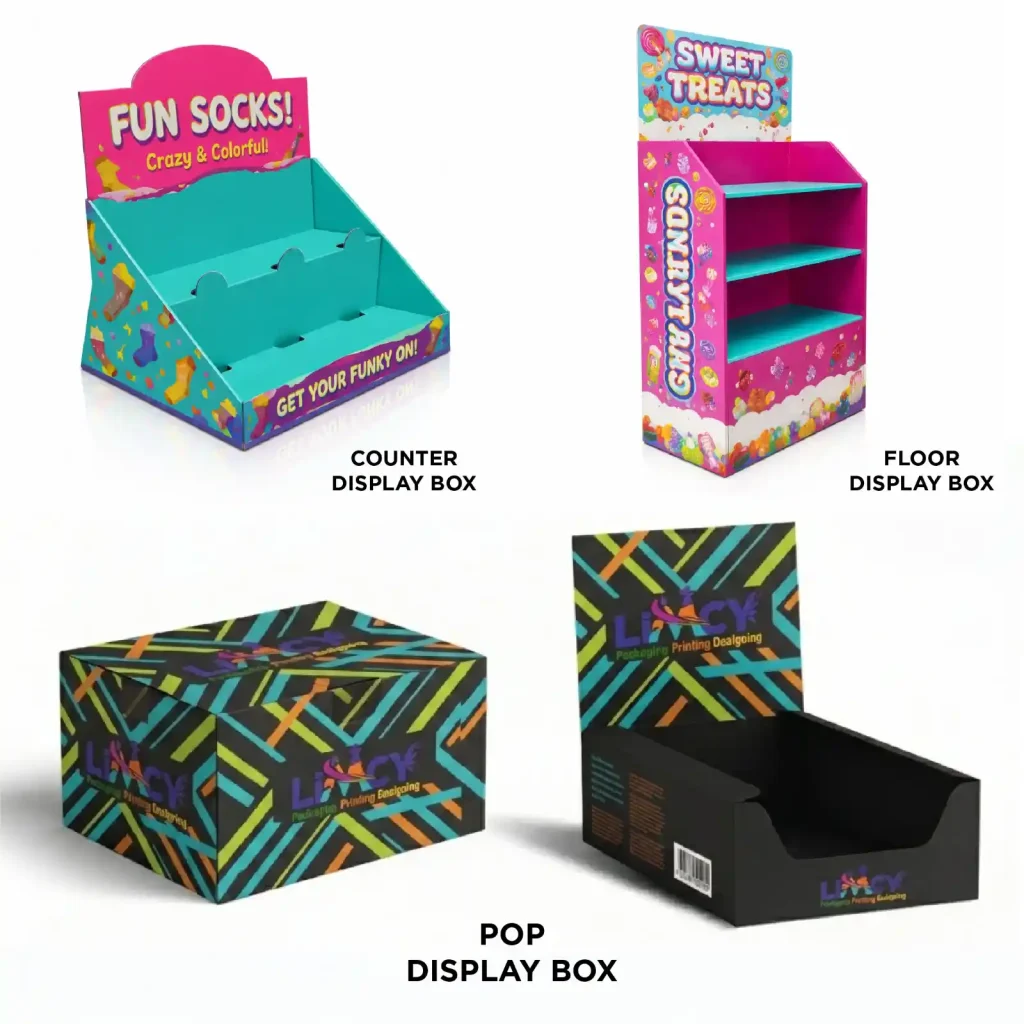
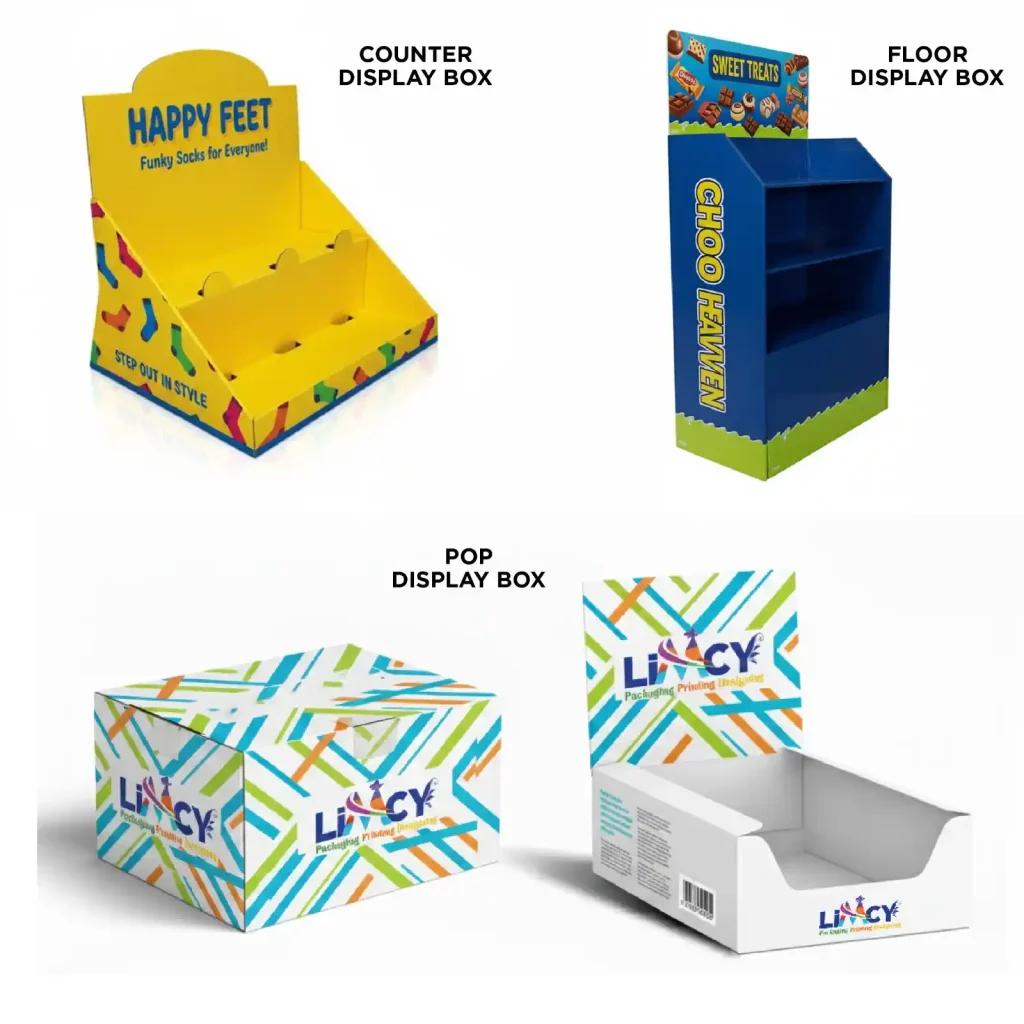
These displays are designed to highlight products directly in front of shoppers. Businesses use retail display boxes, POS displays, and countertop units to place items in high-traffic areas where customers naturally look.
Many industries depend on these displays. Beauty brands use them to showcase cosmetics, food companies promote snacks through cardboard displays, and electronics brands highlight accessories through retail stands. Even e-commerce companies now rely on Ship-Ready Boxes that move directly from warehouse to store shelves.
When designed correctly, display packaging does more than hold products. It attracts attention, communicates brand identity, and encourages impulse purchases. That combination makes Custom Display Boxes one of the most effective tools for increasing in-store sales.
Why Custom Display Boxes Matter in Retail
Customers rarely walk into a store with a complete purchase list. Many buying decisions happen inside the store itself. Custom display boxes influence those decisions by placing products directly in front of shoppers.
A well-designed POS display organizes products clearly and makes them easy to access. Shoppers can quickly understand what the product is and why they should buy it. This convenience increases the chances of a purchase.
Displays also help brands create visual impact. Bold colors, creative shapes, and clear branding make products stand out from surrounding shelves. When customers notice a product quickly, they are more likely to explore it.
Retailers prefer promotional packaging because it is affordable and flexible. Cardboard displays are lightweight, easy to assemble, and simple to replace when new campaigns begin. This flexibility allows brands to run seasonal promotions without major store changes.
Top Custom Display Box Designs
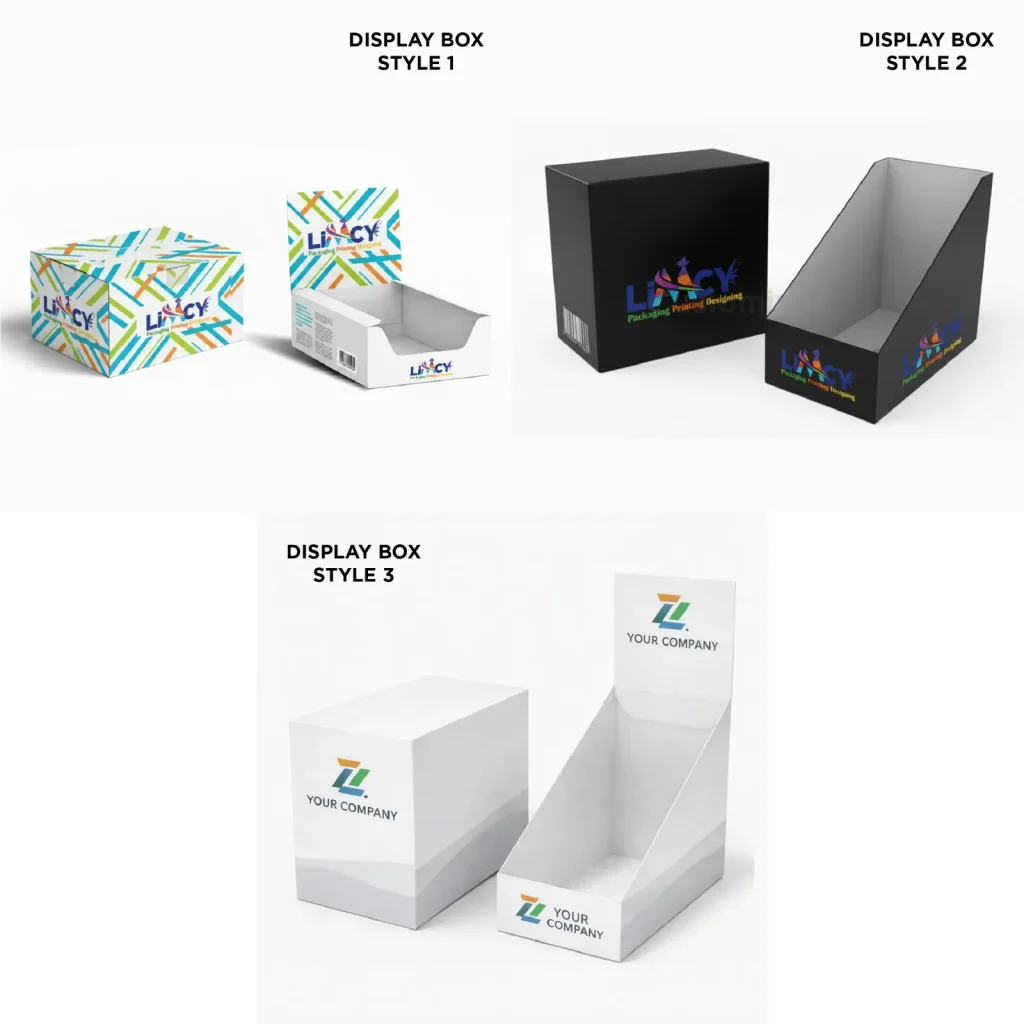
Design plays a huge role in how effective a display becomes. Structural elements determine how products are presented and how easily customers can interact with them.
Below are some of the most popular custom display box designs used in retail today.
Multi-Tier Shelf Displays
Multi-tier displays use several stacked shelves to showcase products vertically. This design allows brands to display multiple product variations within a compact space.
Retailers like this design because it maximizes visibility without occupying too much floor space. Each shelf can hold a different flavor, color, or product version. Customers can easily browse options without searching through crowded shelves.
Multi-tier cardboard displays are common in supermarkets, cosmetic stores, and pharmacies. They work particularly well for small packaged products that need an organized presentation.
Peg Hook Displays
Peg hook displays use hanging hooks instead of shelves. Products are suspended from the display, allowing customers to see many items at once.
This design is ideal for lightweight items such as accessories, tools, or electronic gadgets. Because products hang vertically, shoppers can quickly browse the entire selection.
Brands often use the header panel above the hooks for promotional graphics. This space highlights logos, product benefits, and promotional messages.
Beveled Edge Displays
Beveled edge displays feature angled edges instead of flat corners. This structural design creates a modern and visually appealing look.
These displays are often used for premium products such as skincare, specialty foods, and electronics. The angled shape attracts attention and makes the display look more sophisticated.
Designers also use beveled surfaces for extra branding space. Logos, taglines, and graphics can be printed on these areas to enhance brand visibility.
Auto-Lock Bottom Displays
Auto-lock displays are designed for quick assembly. The base locks automatically when the display is opened.
Retail staff do not need tape or extra tools to assemble the display. This saves time during product launches or promotional campaigns.
Auto-lock structures also provide strong support. They can hold multiple product units without collapsing, which makes them ideal for busy retail environments.
Window and Insert Displays
Window displays include die-cut openings that allow customers to see the product inside the package. Seeing the product directly builds trust and increases interest.
These displays are especially common in cosmetics, electronics, and gift products. Customers can inspect the product without opening the package.
Internal inserts keep products organized and secure. They prevent items from shifting during shipping and help maintain a neat presentation inside the display.
Modular Display Systems
Modular displays are designed with adjustable sections. Retailers can modify shelves or compartments depending on the products being displayed.
This flexibility makes modular retail display boxes ideal for seasonal promotions. Brands can reuse the same display structure while updating graphics or product arrangements.
Modular systems also reduce packaging waste because the display can be used for multiple campaigns.
Styles of Custom Display Boxes by Usage
Different retail environments require different display styles. Each style serves a unique purpose depending on product type and store layout.
Floor Stand Displays
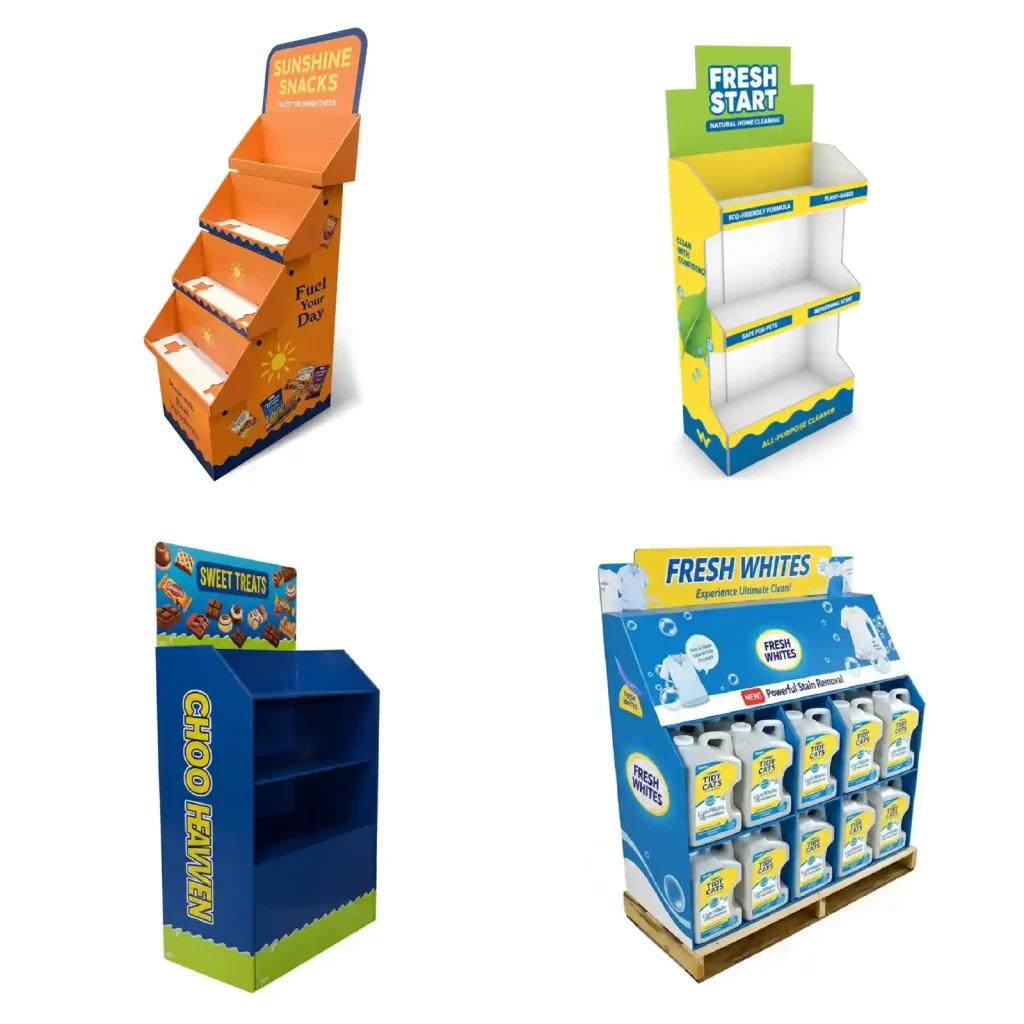
Floor stand displays are large, freestanding units placed directly on the store floor. They are commonly positioned at entrances or along main aisles.
These displays can hold large quantities of products while maintaining an organized presentation. Their size makes them highly visible to customers walking through the store.
Brands often use floor stands for major promotions or new product launches. Their strong visual presence makes them ideal for attracting attention.
Countertop Displays
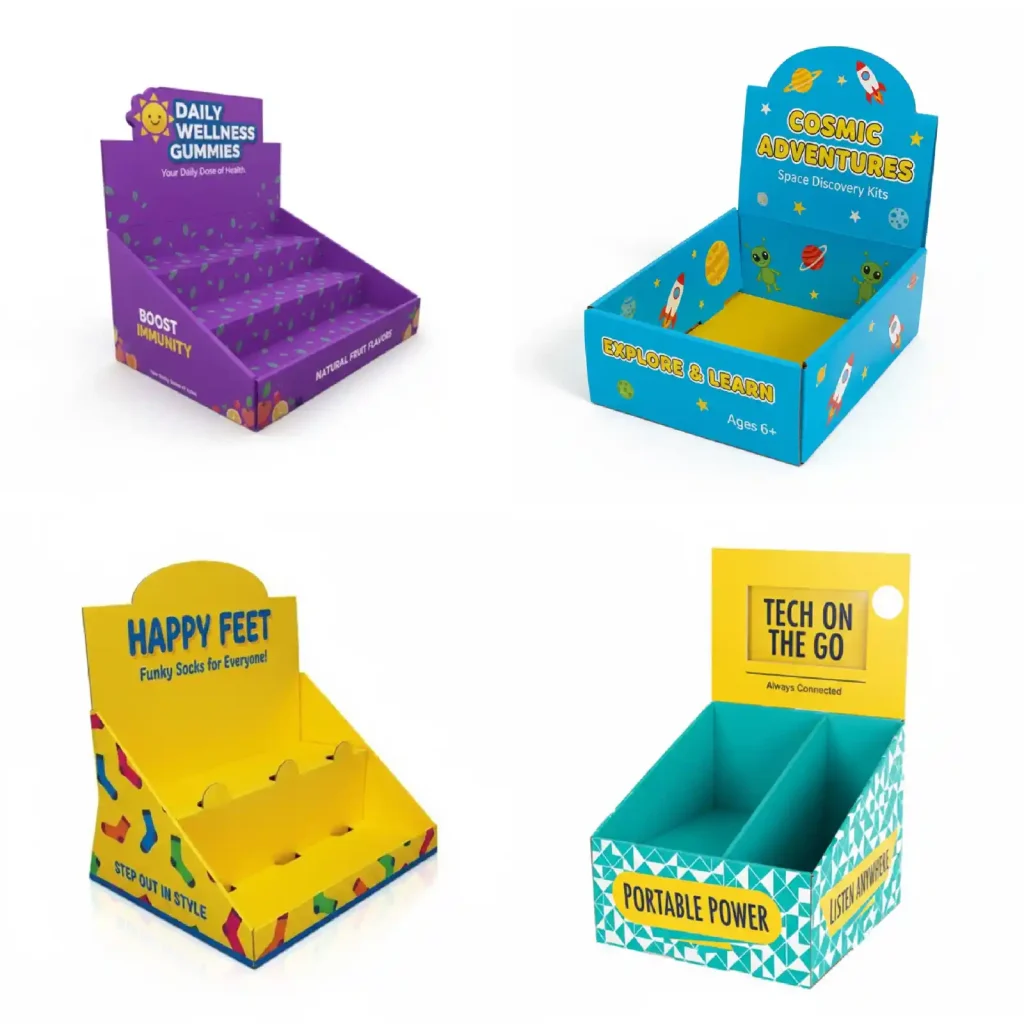
Countertop displays are smaller units placed on checkout counters or service desks. Their main goal is to encourage impulse purchases.
Customers waiting in line naturally look at nearby products. This makes countertop units perfect for small items such as cosmetics, snacks, or travel accessories.
Because space is limited, these displays rely on bold graphics and organized layouts to capture attention quickly.
Ship-Ready Displays
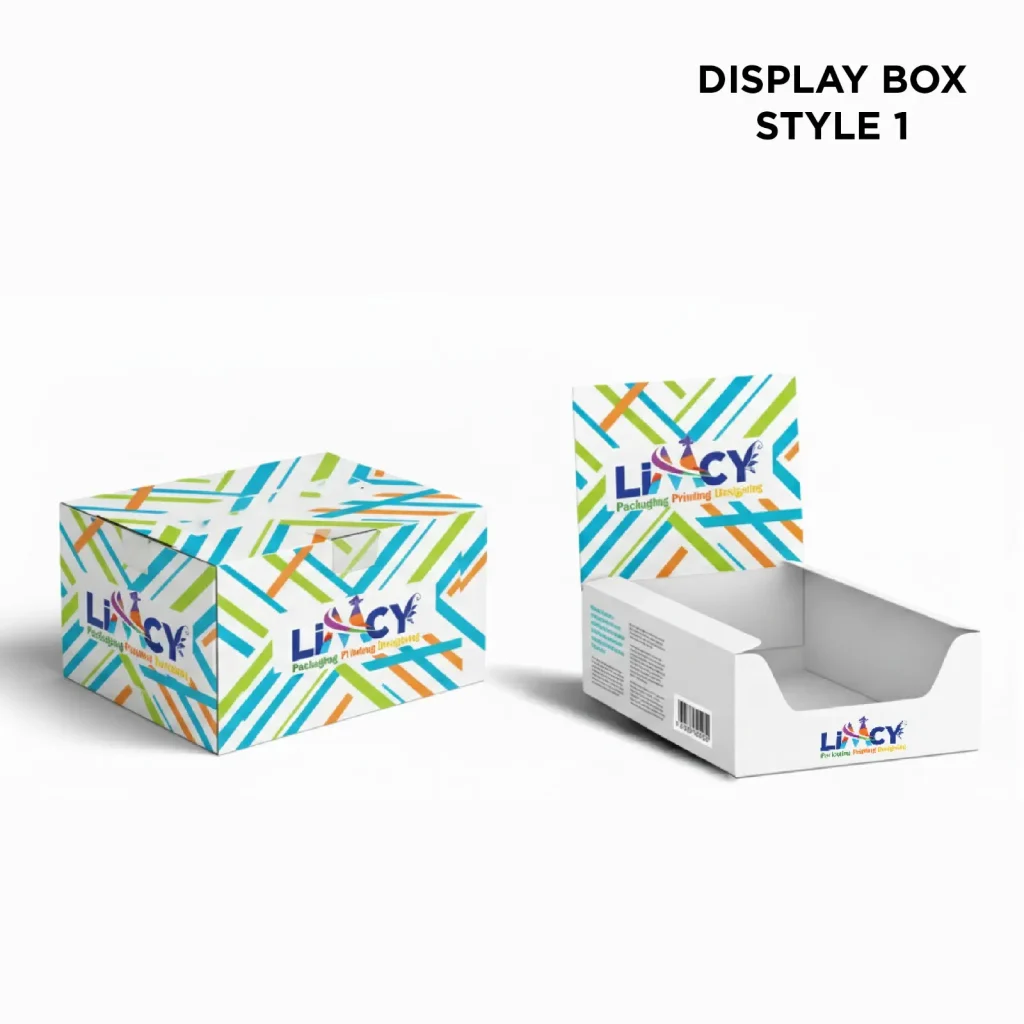
Ship-ready displays combine shipping packaging with retail presentation. Products are packed directly into the display box during manufacturing.
When retailers receive the shipment, they simply remove the outer protective carton and place the display on shelves. This saves time and reduces labor.
Many large retailers prefer Ship-Ready Boxes because they ensure consistent product presentation across multiple store locations.
End-Cap Displays
End-cap displays are placed at the end of store aisles. This location naturally attracts customer attention because shoppers pass these areas frequently.
Brands use end-caps to promote seasonal products or limited-time offers. The high visibility helps increase product discovery.
These displays are particularly effective for promotional campaigns and new product introductions.
PDQ Tray Displays
PDQ stands for “Pretty Darn Quick.” These displays arrive pre-filled with products and ready to place on shelves.
They are typically used in convenience stores and pharmacies. Small items such as candy, vitamins, and cosmetics are often packaged in PDQ trays.
The biggest advantage is speed. Retailers can place the display on shelves immediately without additional setup.
Materials Used for Custom Display Boxes
Most custom display boxes are made from cardboard or corrugated board. These materials provide durability while remaining lightweight and affordable.
Corrugated cardboard is especially popular because it can support heavy product loads. Despite its strength, it remains easy to transport and assemble.
Another advantage of cardboard displays is sustainability. Paper-based packaging can be recycled and often contains recycled materials. This makes it a more environmentally friendly option compared to plastic displays.
Modern printing technologies also enhance the visual impact of display packaging. High-quality printing ensures bright colors and sharp graphics that capture attention in busy retail environments.
Customization Options
Customization allows brands to transform ordinary packaging into powerful marketing tools. Many businesses design displays that reflect their brand identity and promotional campaigns.
Common customization options include:
- High-resolution digital printing
- Matte or gloss lamination
- Embossed logos
- Die-cut shapes
- Custom inserts
- QR codes for digital engagement
Low minimum order quantities are also becoming more common. This allows small businesses to create professional wholesale displays without large production commitments.
Comparison of Common Display Styles
| Display Type | Placement | Best For | Key Benefit |
| Floor Stand Displays | Store aisles or entrances | Snacks, electronics | Maximum visibility |
| Countertop Displays | Checkout counters | Small impulse items | Encourages quick purchases |
| Ship-Ready Displays | Retail shelves | Multi-pack products | Fast setup |
| End-Cap Displays | End of store aisles | Promotions | High traffic exposure |
| PDQ Tray Displays | Convenience shelves | Candy, cosmetics | Ready-to-use packaging |
Conclusion
Retail success often depends on product visibility. Even high-quality products struggle to sell if customers cannot notice them easily. Custom display boxes solve this challenge by presenting products in a structured and visually appealing way.
From multi-tier shelves to countertop displays, each design serves a different role in guiding customer attention. Strong materials, attractive printing, and smart structural designs help brands stand out in competitive retail spaces.
Businesses across industries rely on retail display boxes, cardboard displays, and POS units because they combine affordability with strong marketing impact.
Order custom display boxes today for retail success.
FAQs
Q1. What are custom display boxes?
Ans. Custom display boxes are retail packaging solutions designed to showcase products attractively in stores. They help increase visibility and improve product presentation.
Q2. What materials are used for retail display boxes?
Ans. Most displays are made from cardboard or corrugated board. These materials are durable, lightweight, and recyclable.
Q3. Where are countertop displays used?
Ans. Countertop displays are placed near checkout counters. They are designed to encourage impulse purchases.
Q4. What industries use display boxes the most?
Ans. Industries such as cosmetics, food, electronics, supplements, and accessories frequently use display boxes for retail promotion.
Q5. Are custom display boxes eco-friendly?
Ans. Yes. Many cardboard displays are recyclable and made from sustainable paper materials.