
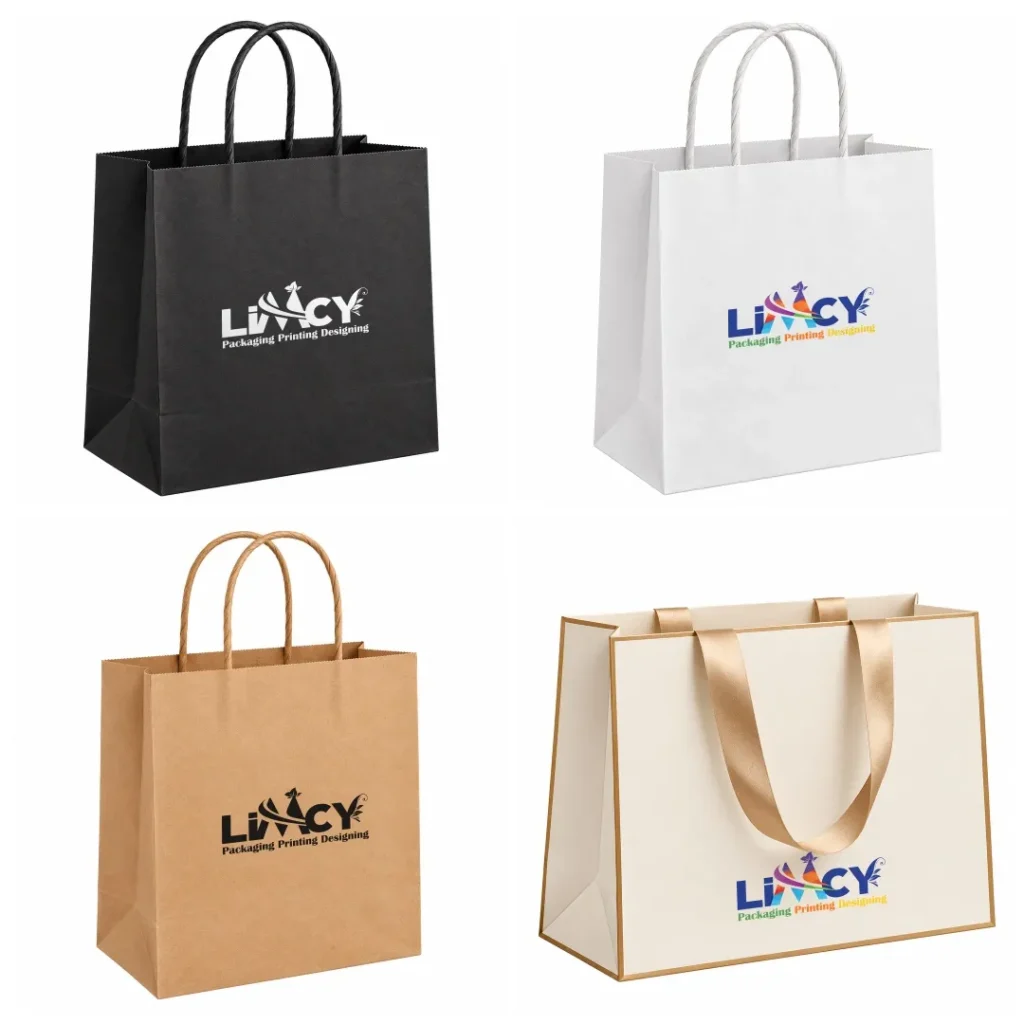
The right paper bag materials and finishes turn a simple carrier into a billboard your customers carry through town. Once you know the types of paper bag materials available, you can choose well, and the bag reinforces your brand long after the sale. Choose poorly, and it tears, scuffs, or sends the wrong message.
Why Material and Finish Matter for Your Brand
Your bag is often the last thing a customer touches. As a result, it shapes how they remember your store, café, or product.
Material sets the foundation. It controls strength, texture, and how well your colors print. Finish adds the surface layer, which affects shine, feel, and protection.
Together, they signal who you are. A natural kraft bag says earthy and honest. A black soft-touch bag with gold foil says premium. Both can work, but only if they match your audience and price point.
Common Paper Bag Materials
Understanding the types of paper bag materials makes every later decision easier. Here are the main options:
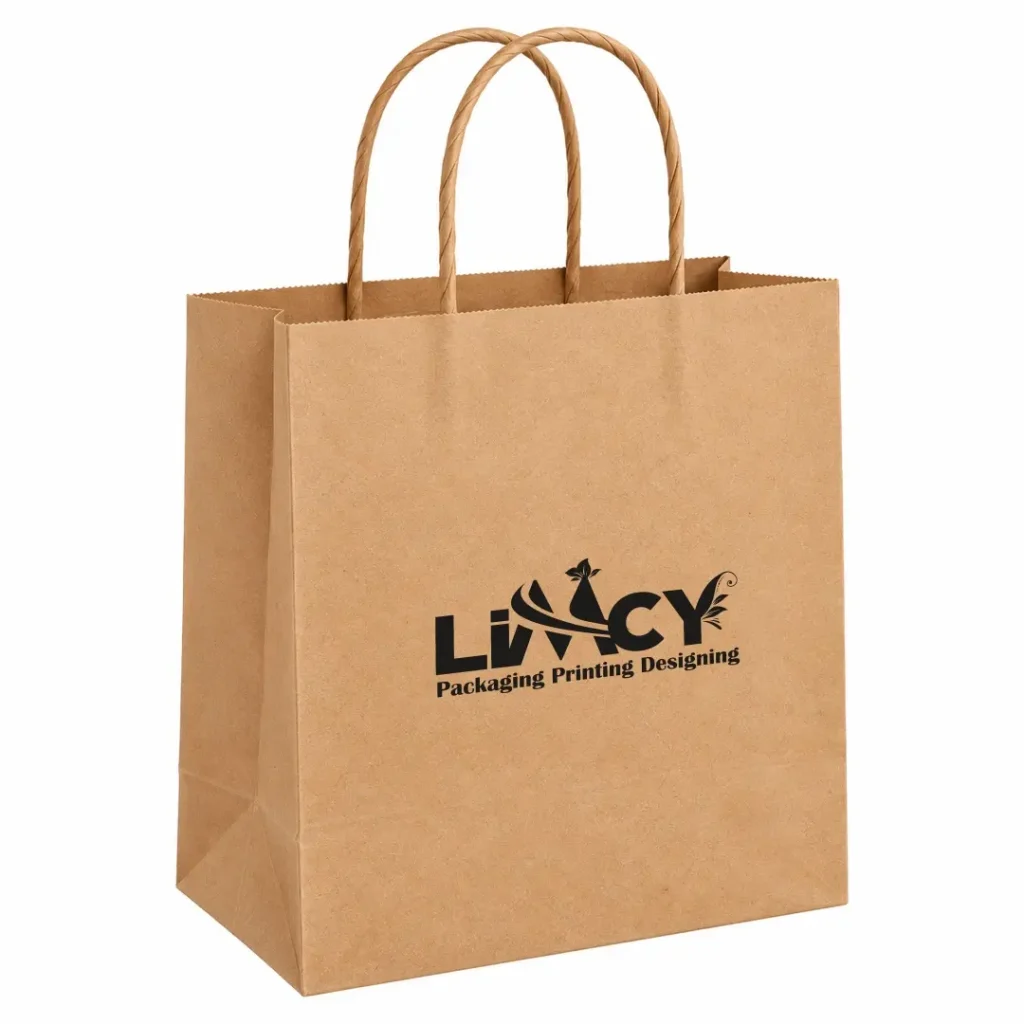
- Kraft: Strong, natural brown, and affordable.
- White kraft: Smooth, bright surface that prints crisp color.
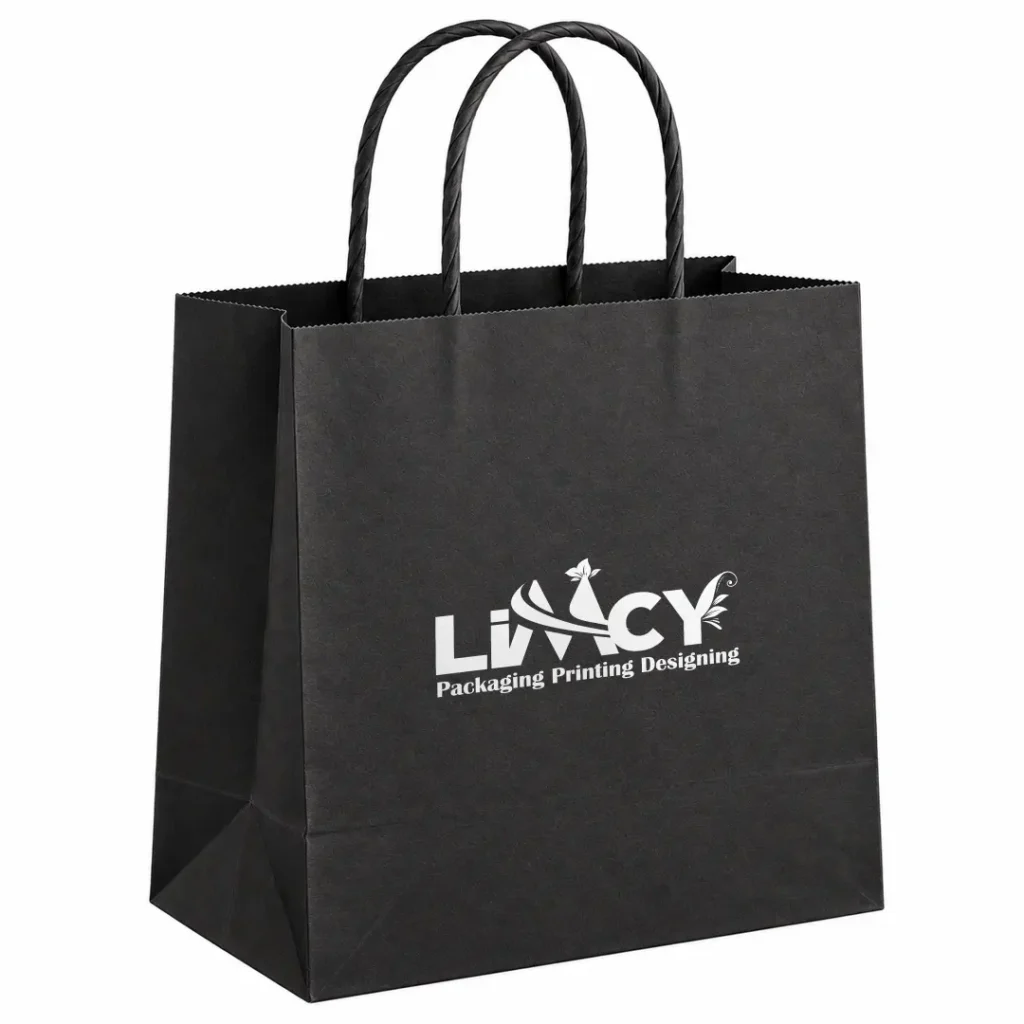
- Black kraft: Bold and dramatic, ideal for metallic accents.
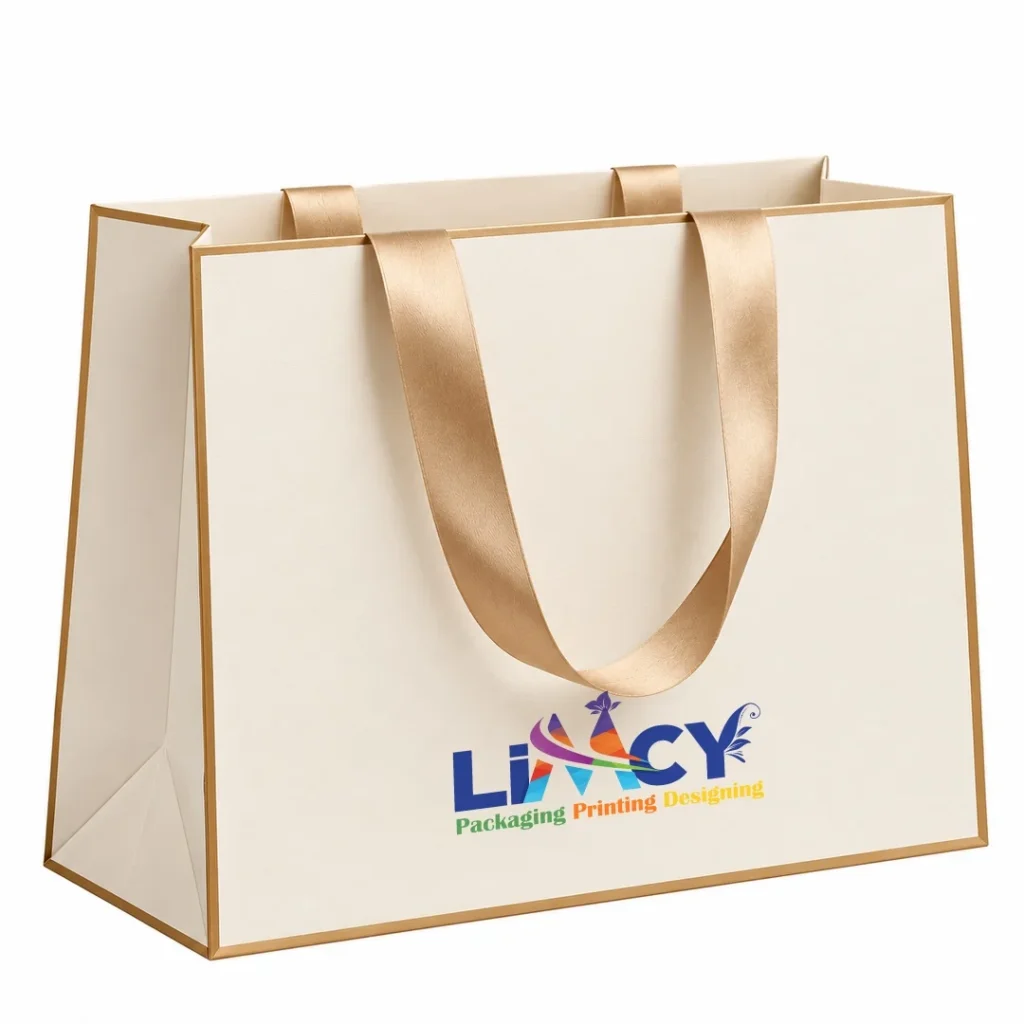
- Art paper: Coated stock with a polished, high-end look.
- Recycled paper: Made from post-consumer fiber for a lower footprint.
- Specialty papers: Textured or colored stocks for distinctive branding.
When comparing kraft vs. white vs. black paper bags, start with how each one prints. Brown kraft mutes bright inks, so it suits simple, minimalist logos. White kraft keeps colors true and sharp. Black kraft needs foil or light ink to stand out.
Recycled kraft paper bags suit sustainable brands that want a visible eco message. Art paper works best for fashion and gifting, where presentation matters most. For most retailers, the best paper material for retail packaging balances strength with a printable surface.
Popular Paper Bag Finishes
Paper bag finishes explained simply: each one changes how the bag looks, feels, and holds up.
Gloss and matte are the two core laminations. Gloss lamination adds shine and vivid color, which helps colorful retail designs pop. Matte gives a calm, modern look and hides fingerprints. When weighing gloss vs. matte lamination for paper bags, choose gloss for energy and matte for sophistication.
Soft-touch adds a velvety, rubbery feel. It suits luxury shopping bags, especially in cosmetics and fashion.
Spot UV applies a glossy coating to select areas, such as a logo, against a matte background.
Foil stamping presses metallic gold, silver, or rose gold onto the surface. In the spot UV vs. foil stamping debate, UV offers subtle contrast, while foil delivers an unmistakable shine.
Embossing and debossing raise or press your design into the paper. Pairing them with foil creates luxury paper bags with custom embossed details that feel handcrafted.
Finally, aqueous coating is a light, water-based layer. It protects against scuffs and costs less than lamination.
Matching Materials and Finishes to Your Business Type
Choosing the right types of paper bag materials and finishes keeps your packaging practical and on-brand.
Cafés and bakeries do well with kraft bags and aqueous coating, which handle grease and daily use affordably. Boutiques often prefer white or art paper with matte lamination, a reliable answer to which paper material is best for shopping bags. Jewelry and cosmetics brands benefit from black or art paper with soft-touch and foil, the best paper finish for jewelry packaging. Sustainable brands should choose recycled kraft, and corporate gifts suit embossed logos.
Limcy Packaging offers custom paper bag materials and finishes, with wholesale pricing, free design support, and free US shipping.
Durability, Cost, and Sustainability Considerations
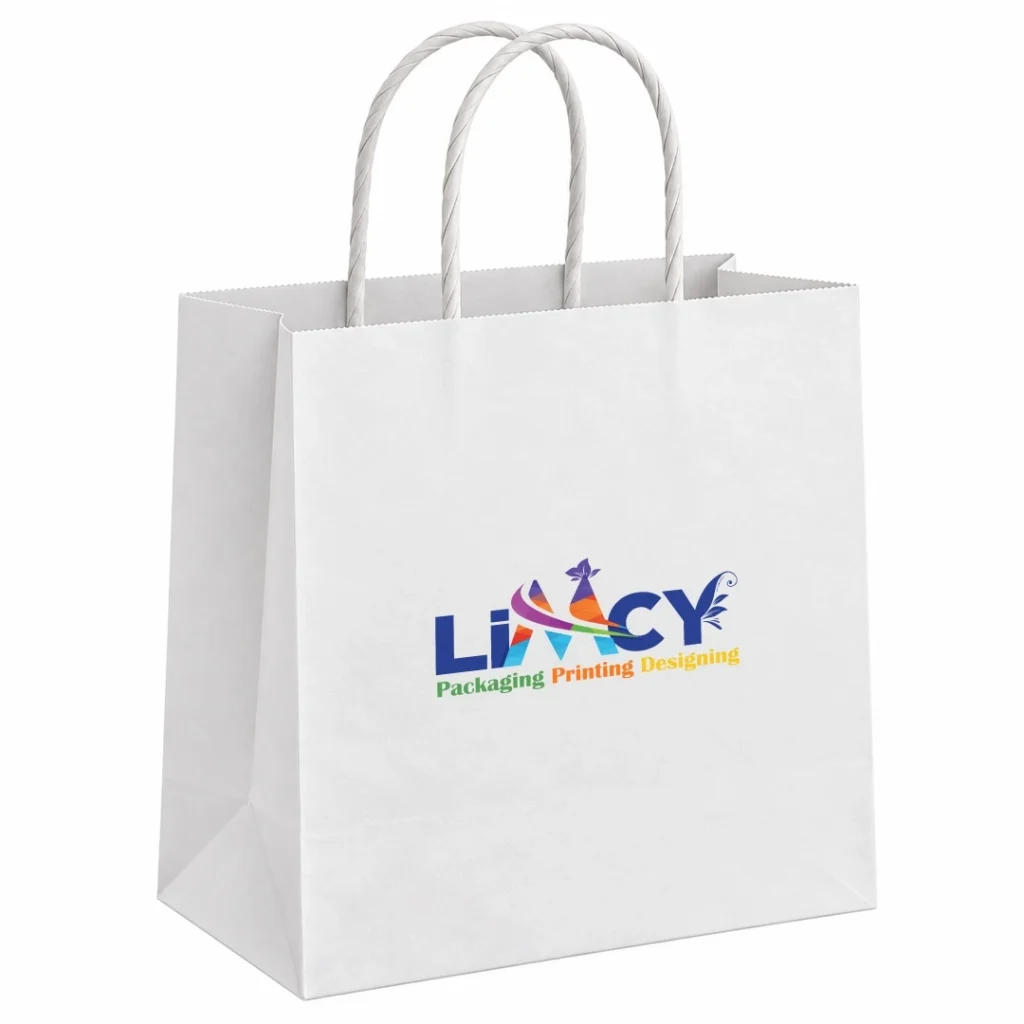
Durability depends on paper weight, handle type, and finish. Thicker stock carries heavier items, and lamination adds tear resistance.
Cost rises with complexity. Plain kraft with one-color printing costs the least. Foil, spot UV, and embossing add steps, so budget accordingly.
Sustainability requires trade-offs. Plastic-based laminations can complicate recycling, so eco-friendly paper bag materials for sustainable brands pair best with aqueous or water-based coatings. Therefore, ask about recyclability before you finalize a finish.
Ready to Order Custom Paper Bags?
Explore custom paper bag materials and finishes with Limcy Packaging. Choose from kraft, white, black, and recycled stocks, then add gloss, matte, soft-touch, foil, or embossing to match your brand. With fast turnaround and helpful design support, your bags can reach your customers quickly. Contact Limcy Packaging today to request a quote.
FAQs
Q1. Which finish lasts longest?
Ans. Gloss and soft-touch lamination resist scuffs and moisture best.
Q2. Can I combine foil and spot UV?
Ans. Yes. Many brands use both on a single bag for layered contrast.
Q3. Are kraft bags strong enough for retail?
Ans. Yes, especially with reinforced handles and the right paper weight.
Q4. Do finishes affect recycling?
Ans. Some laminations do. Water-based coatings are the safest option.