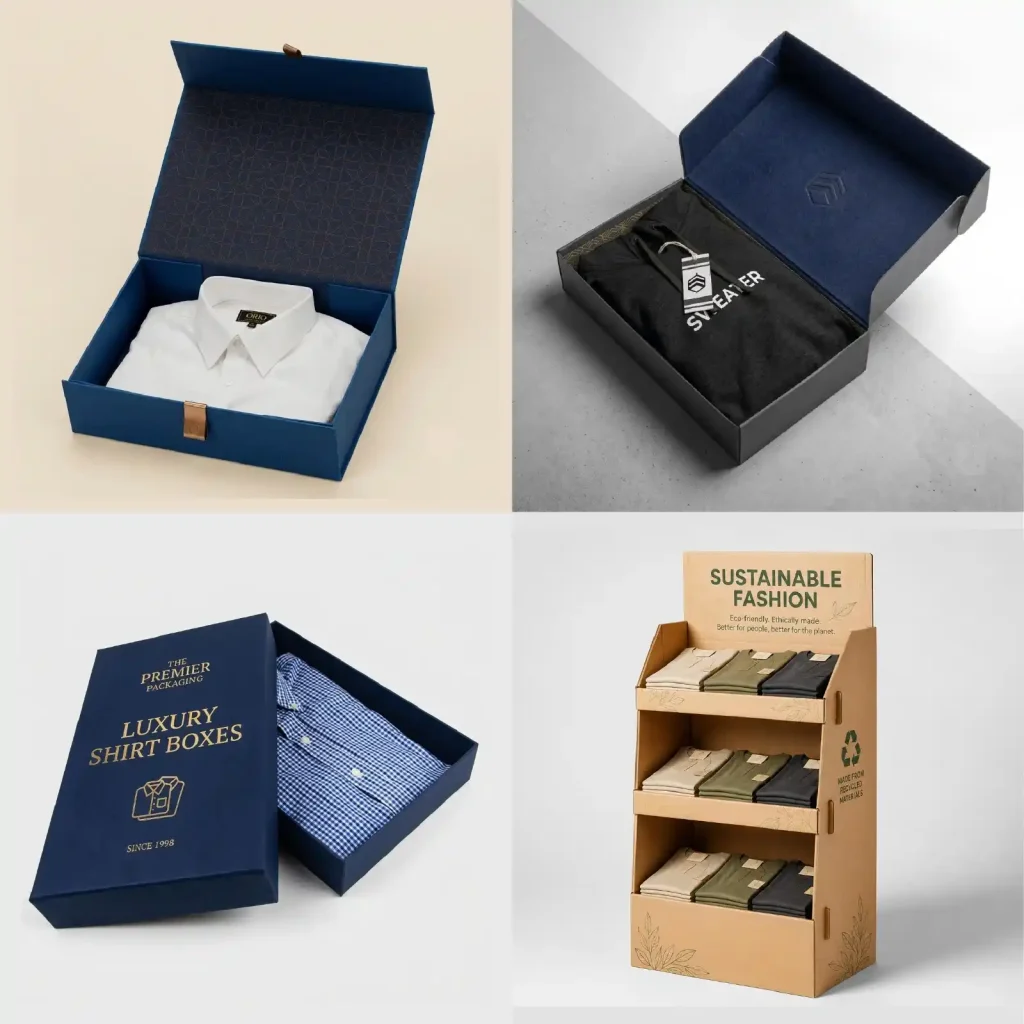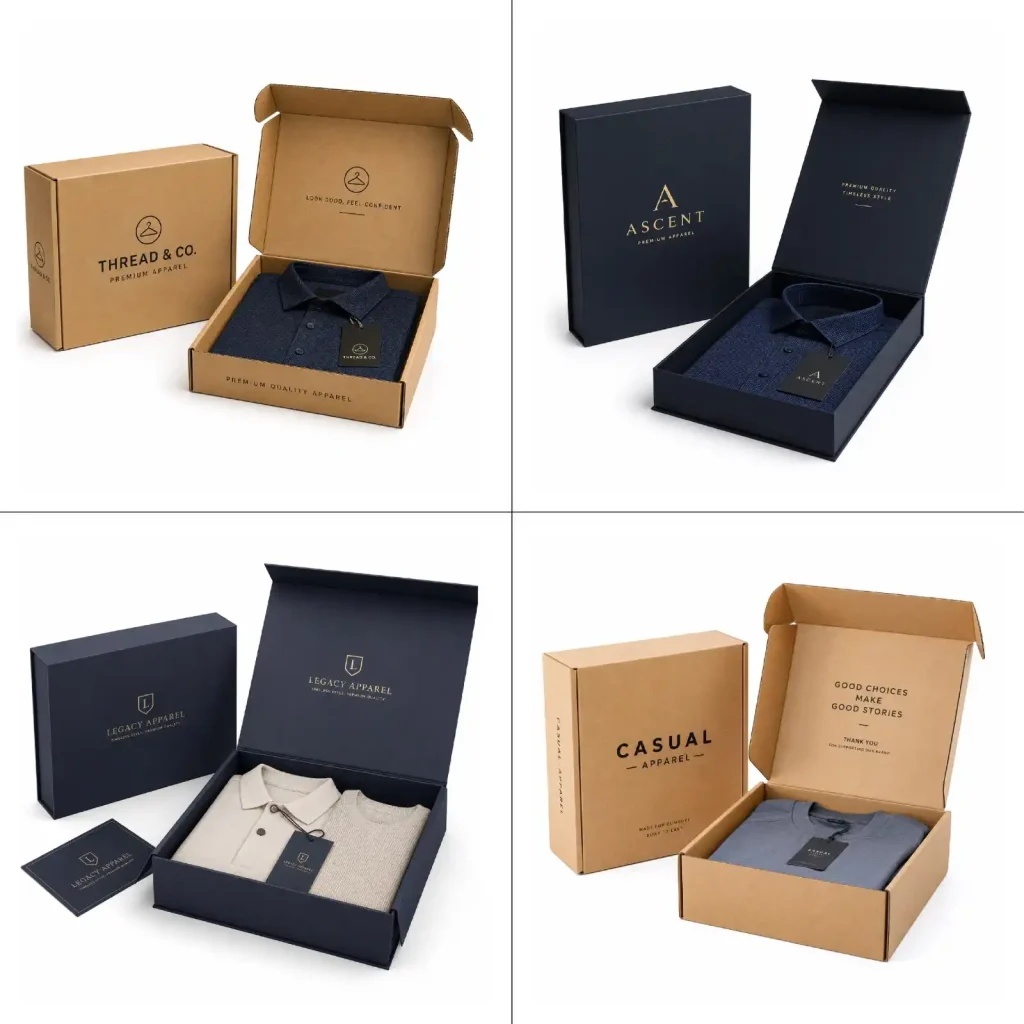
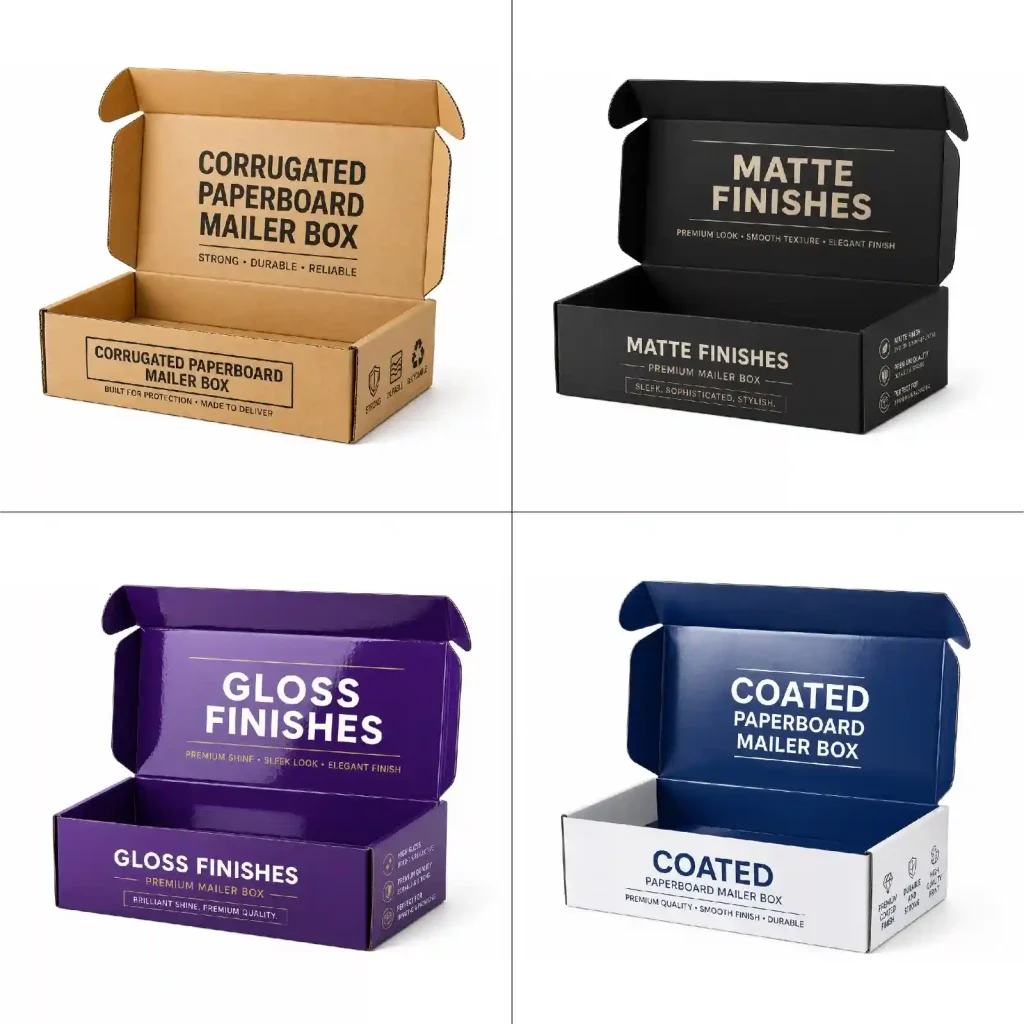
When customers receive a clothing package, the first thing they notice is not always the product itself. In many cases, the packaging creates the first impression. That is why choosing the right paper stock for apparel boxes is an important decision for clothing brands. The paper stock affects everything from appearance and durability to printing quality and sustainability. A well-chosen box can make a brand look premium, professional, and trustworthy.
Today, apparel businesses can choose from a wide range of packaging materials. From natural kraft paper to premium coated paperboard, each option offers unique benefits. As sustainability becomes a bigger priority, many brands are also selecting eco-friendly packaging solutions that align with customer expectations and environmental goals.
This guide explains everything you need to know about selecting the best paper stock for apparel boxes. Whether you operate a small clothing startup or an established fashion brand, understanding these factors will help you make a more informed packaging decision.
Understanding the Role of Paper Stock in Apparel Packaging
What Does Paper Stock Mean?
Paper stock refers to the type, weight, thickness, and quality of paper or paperboard used to manufacture packaging. In apparel packaging, paper stock determines how the box looks, feels, performs, and protects the product inside.
Think of paper stock as the foundation of your packaging. Just as the quality of fabric affects a garment’s appearance and durability, the quality of paper stock affects an apparel box’s performance and presentation. Different paper stocks offer different levels of strength, printability, texture, and environmental impact.
For clothing brands, packaging is much more than a container. It serves as a communication tool that reflects brand values and product quality. A luxury fashion label may choose a thick, textured paperboard to create an upscale experience, while an eco-conscious brand may prefer recycled kraft stock to reinforce its sustainability message.
Why It Matters for Clothing Brands
The packaging experience directly influences customer perception. Customers often associate premium packaging with premium products. If a box feels flimsy or poorly printed, it can negatively affect how buyers view the clothing inside.
Strong and attractive apparel packaging also helps protect products throughout storage, shipping, and handling. Clothing items may be lightweight, but they still require protection against crushing, moisture, dust, and other external factors.
In addition, social media has changed the role of packaging. Many customers share unboxing experiences online. A well-designed apparel box can generate user-generated content, increase brand visibility, and strengthen customer loyalty.
Different Types of Paper Stock Used for Apparel Boxes
Kraft Paper Stock
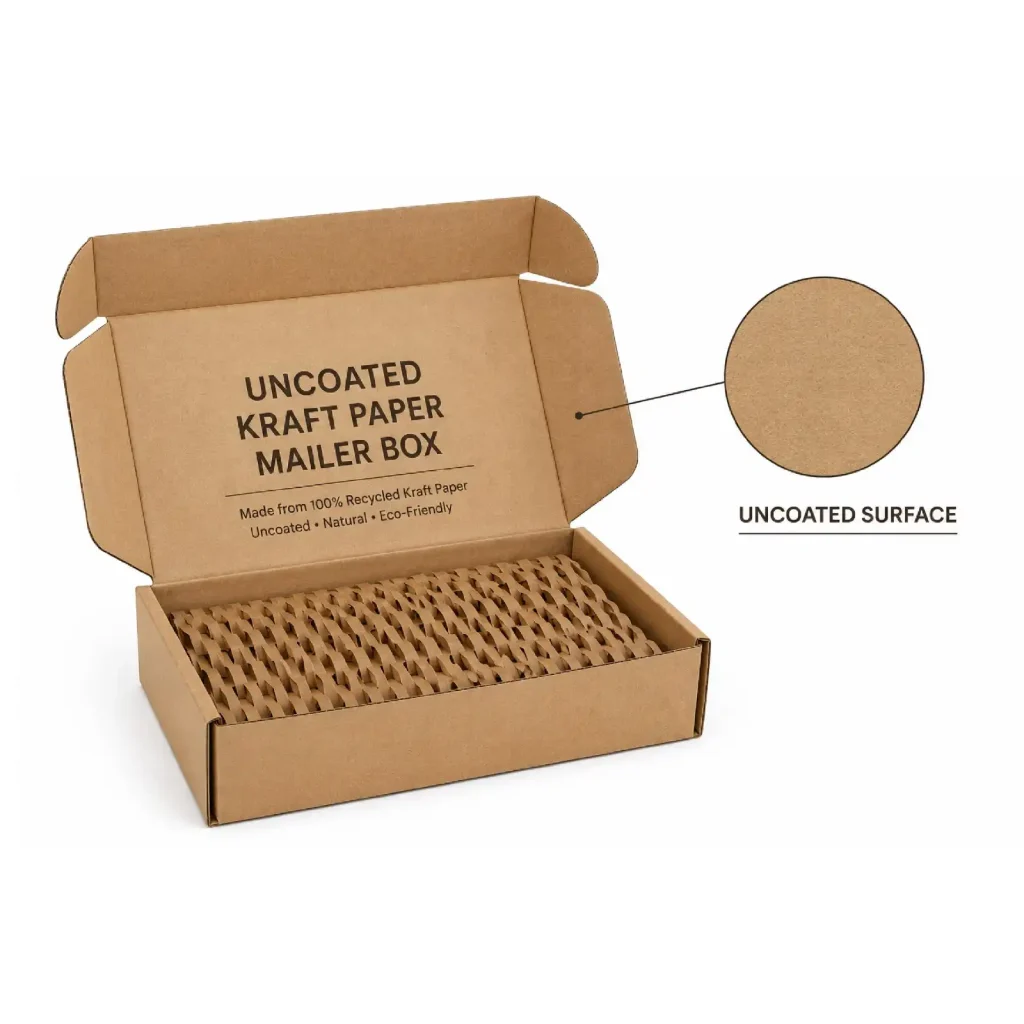
Kraft paper is one of the most popular options in modern apparel packaging. It is known for its natural brown appearance, durability, and environmental friendliness. Kraft paper is produced using a process that preserves strong wood fibers, making it highly resistant to tearing and damage.
Brands that focus on sustainability often choose kraft paper because it creates an authentic, eco-friendly appearance. The natural texture helps communicate environmental responsibility without needing additional design elements.
Kraft paper works especially well for casual clothing brands, outdoor apparel companies, and businesses that want a simple yet professional look.
Coated Paperboard
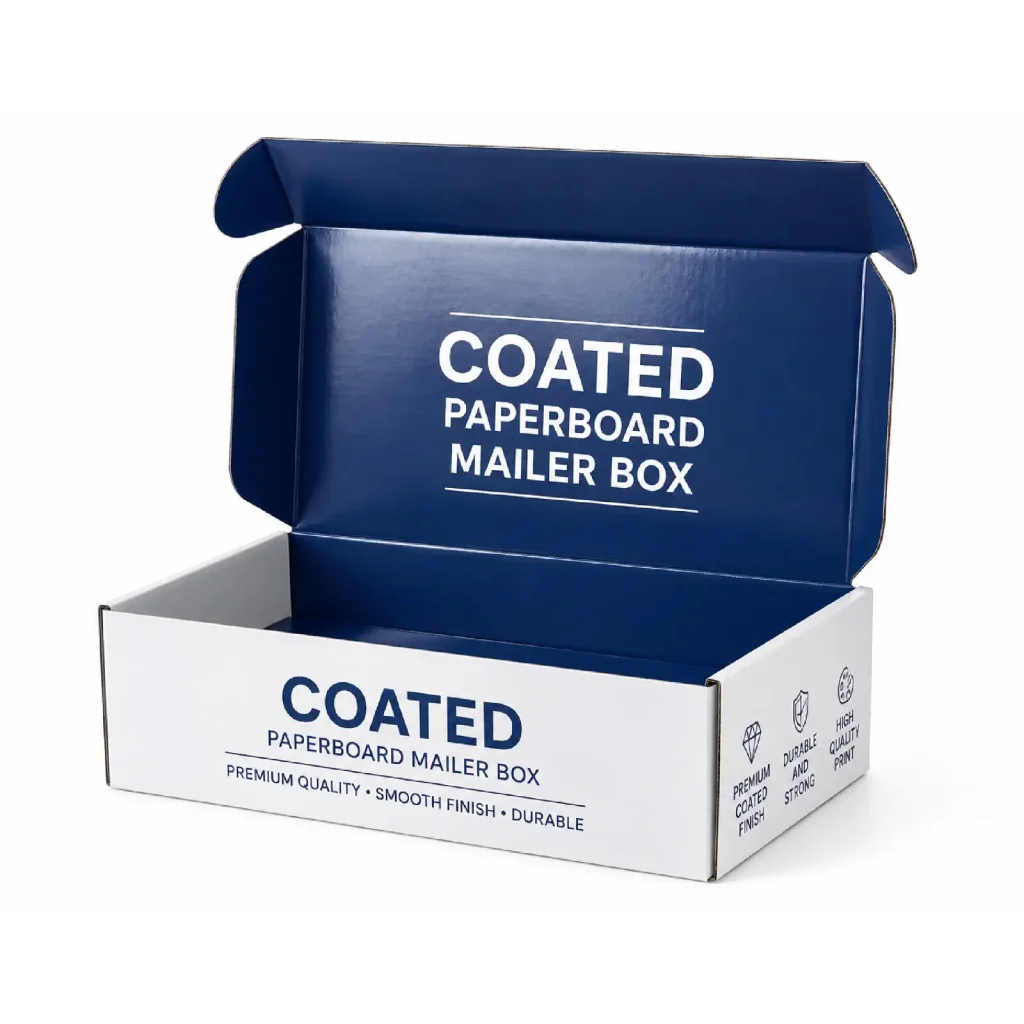
Coated paperboard offers a smoother and brighter surface than kraft paper. It is commonly used for premium apparel boxes because it delivers excellent print quality and vibrant colors.
The coating creates a polished appearance that supports high-end branding. Logos, product images, and detailed graphics appear sharper and more professional on coated surfaces.
Luxury fashion brands often use coated paperboard because it allows them to achieve a sophisticated visual presentation while maintaining structural strength.
Corrugated Paperboard
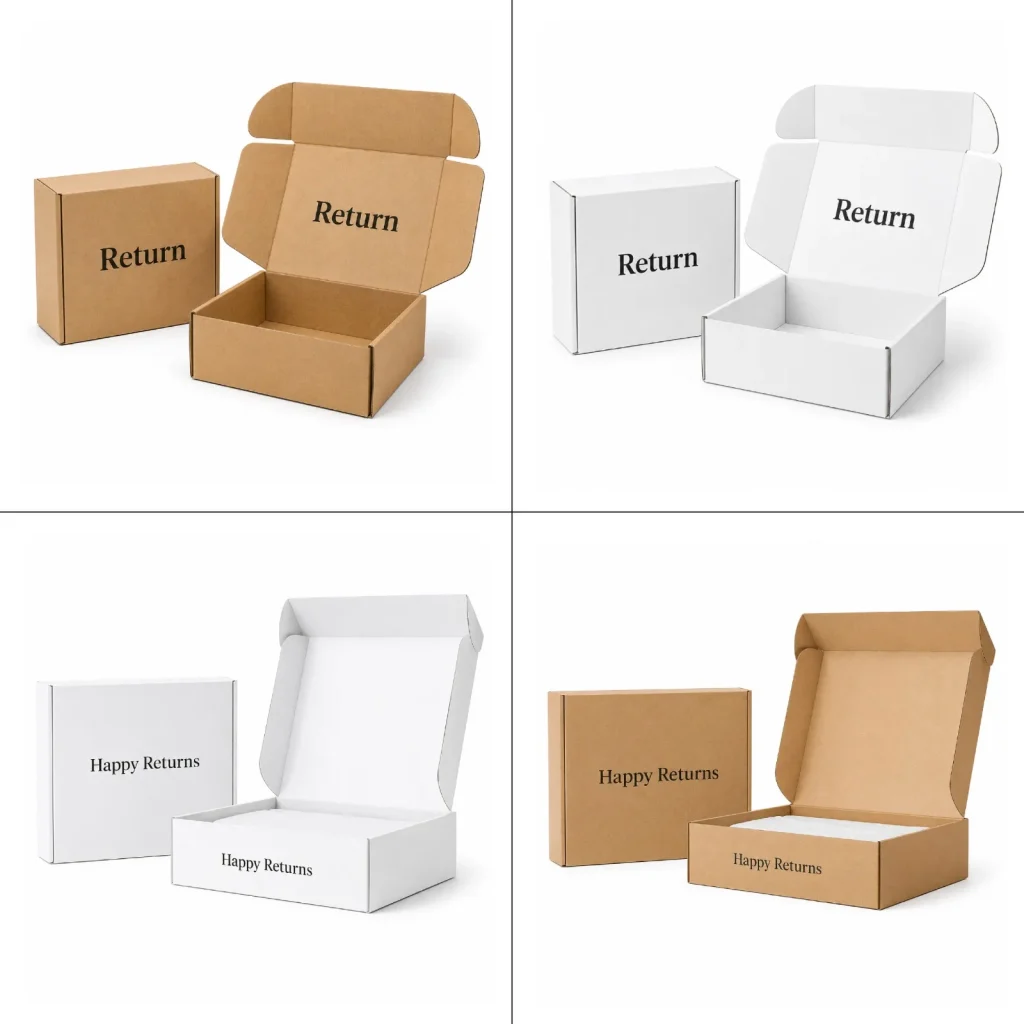
Corrugated paperboard contains a fluted inner layer that adds extra protection and strength. Although it is often associated with shipping boxes, many apparel brands use corrugated materials for e-commerce packaging.
The added cushioning helps protect garments during transportation. Corrugated packaging is especially useful for subscription boxes, online clothing retailers, and brands shipping products internationally.
Recycled Paper Stock
Recycled paper stock is produced using recovered paper fibers. This option helps reduce environmental impact while supporting sustainability goals.
As consumers increasingly prefer environmentally responsible brands, recycled paper stock has become a practical choice for clothing companies. Market research shows growing demand for recycled and sustainable paper packaging solutions worldwide.
Paper Weight and Thickness Explained
GSM and Its Importance
Paper weight is typically measured in GSM (grams per square meter). GSM indicates how heavy and dense a paper stock is. Higher GSM values generally mean thicker and stronger materials.
Common apparel box materials range between 250 GSM and 500 GSM, depending on the desired appearance and structural requirements. Lightweight packaging may be sufficient for simple retail boxes, while premium gift boxes often require heavier stocks.
Choosing the correct GSM ensures that packaging feels substantial without unnecessarily increasing production costs.
Choosing the Right Thickness
Thickness affects both durability and customer perception. Thicker paperboard creates a stronger and more luxurious feel. Customers often associate heavier boxes with higher product value.
However, thicker materials also increase shipping weight and manufacturing costs. The ideal choice depends on your product category, distribution method, and branding objectives.
A lightweight t-shirt brand may not need extremely thick packaging, while a luxury fashion retailer may benefit from rigid, premium paperboard construction.
Strength and Durability Considerations
Protecting Apparel During Shipping
The primary purpose of packaging is protection. Apparel boxes must withstand transportation, handling, stacking, and storage without losing their shape.
When selecting paper stock for clothing boxes, consider factors such as shipping distance, product weight, and handling conditions. E-commerce businesses often require stronger materials because packages travel through multiple distribution centers before reaching customers.
Corrugated and high-density paperboard options provide better protection for long-distance shipping.
Storage and Handling Requirements
Packaging may spend weeks or months in warehouses before reaching customers. Weak paper stock can deform over time, resulting in damaged packaging and reduced product appeal.
Strong apparel packaging material helps maintain box integrity throughout the supply chain. Investing in durable paper stock can reduce returns, improve customer satisfaction, and protect brand reputation.
Print Quality and Surface Finish
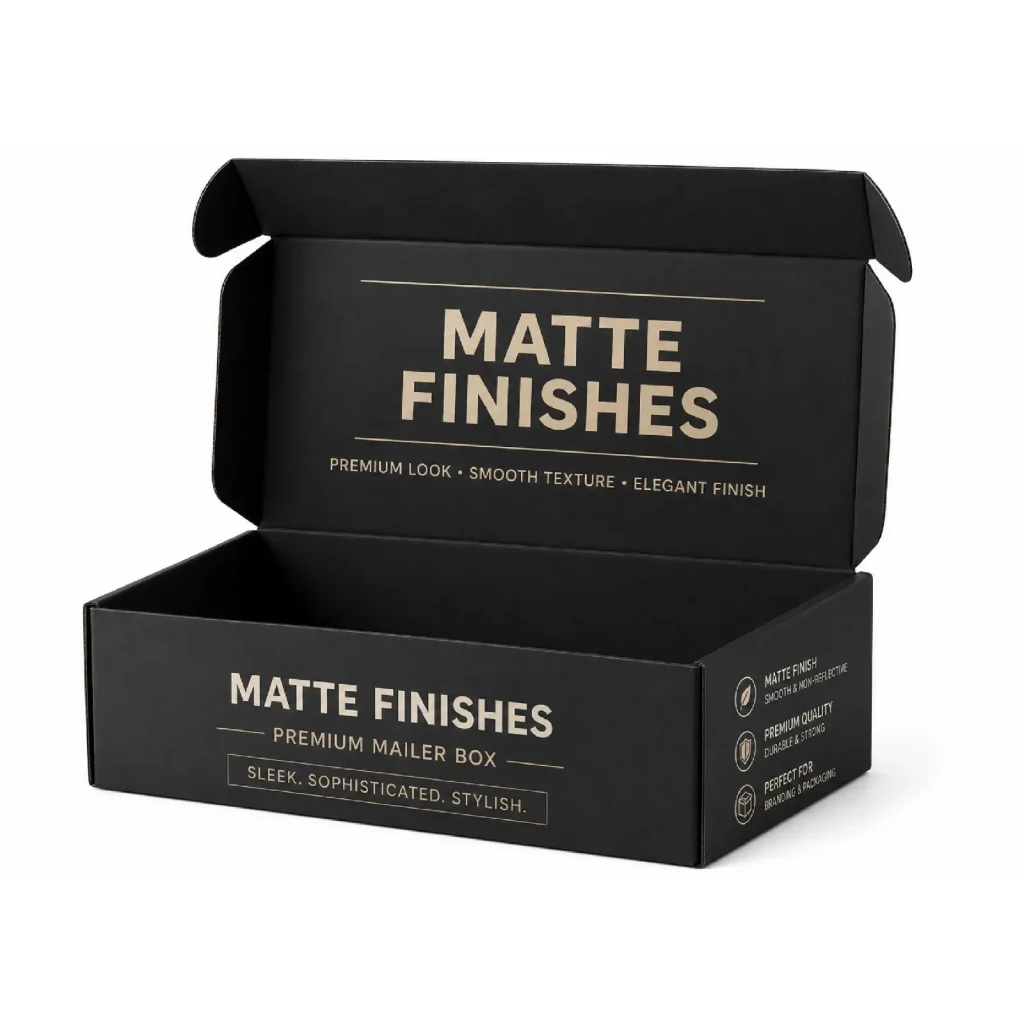
Matte vs Gloss Finishes
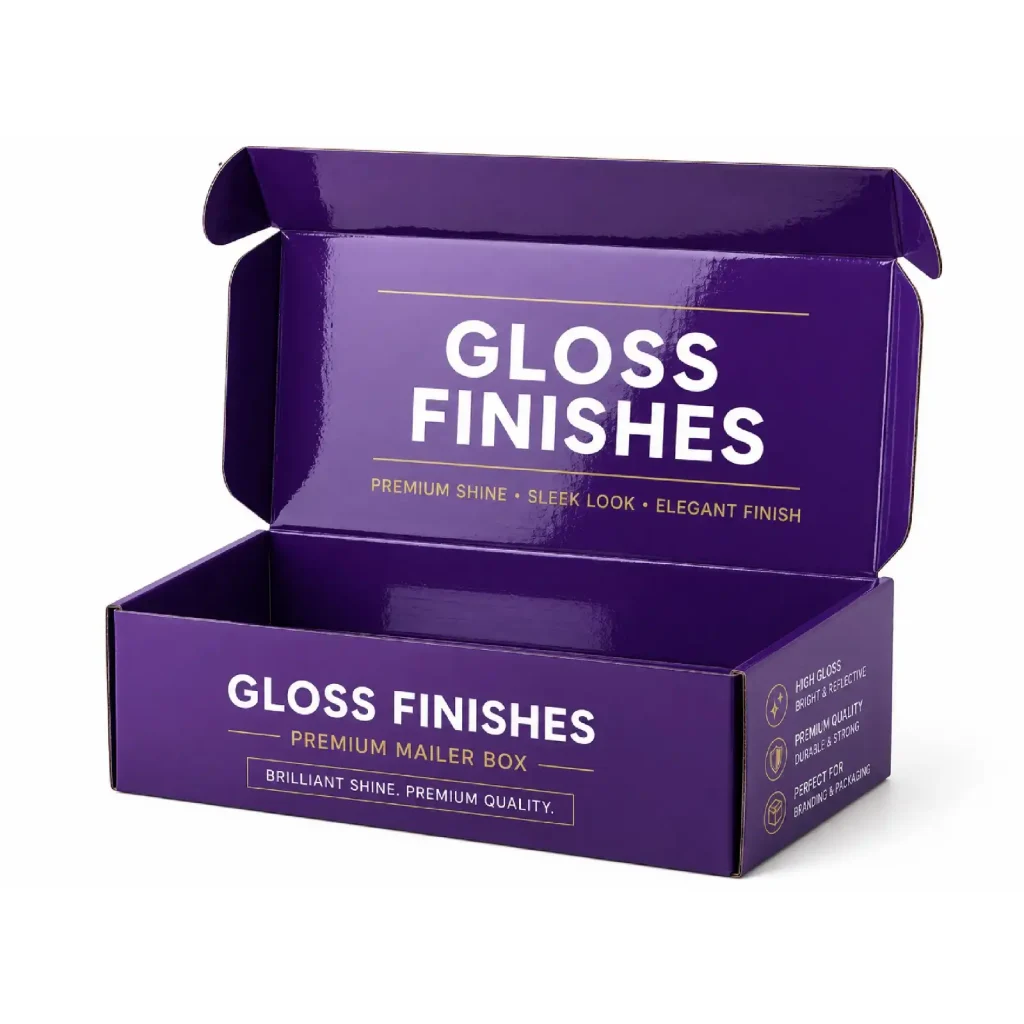
Surface finish has a significant impact on visual appeal. Matte finishes create a soft, sophisticated appearance that feels modern and elegant. Many luxury clothing brands prefer matte finishes because they communicate refinement.
Gloss finishes, on the other hand, produce brighter colors and greater visual impact. They work well for brands seeking bold, energetic packaging designs.
The choice depends on your overall brand identity and target audience.
Specialty Printing Effects
Premium packaging often includes specialty finishes such as:
- Spot UV coating
- Foil stamping
- Embossing
- Debossing
- Soft-touch lamination
These enhancements can transform a simple apparel box into a memorable brand experience. However, they require paper stock capable of supporting advanced printing techniques.
Kraft vs Coated Paper for Apparel Boxes
| Feature | Kraft Paper | Coated Paperboard |
| Appearance | Natural and rustic | Smooth and premium |
| Sustainability | Excellent | Good |
| Print Quality | Moderate | Excellent |
| Cost | Lower | Higher |
| Brand Style | Eco-friendly brands | Luxury and fashion brands |
| Surface Texture | Natural texture | Smooth finish |
Advantages of Kraft Paper
Kraft paper offers a sustainable image, strong durability, and lower production costs. It is widely used by brands that prioritize environmental responsibility and authenticity.
Benefits of Coated Paperboard
Coated paperboard provides superior printing results, vibrant graphics, and a luxurious appearance. It is often considered the best paper stock for apparel boxes when visual presentation is the primary concern.
Premium and Textured Paper Options
Some apparel brands want packaging that immediately communicates exclusivity. Textured paper stocks help achieve this goal by adding a tactile dimension to the customer experience.
Linen-textured, embossed, and specialty paperboard options create a distinctive feel that standard materials cannot match. These materials are commonly used for luxury fashion collections, premium gift packaging, and limited-edition products.
The texture itself becomes part of the brand story. Customers often remember how packaging feels just as much as how it looks.
Sustainable and Eco-Friendly Paper Choices
Sustainability is no longer a niche consideration. It has become a key purchasing factor for many consumers. As a result, demand for paper-based and recyclable packaging continues to rise globally.
Eco-friendly options include the following:
- Recycled paperboard
- FSC-certified paper stock
- Kraft paper
- Biodegradable paper materials
- Responsibly sourced virgin fiber paperboard
Paper and paperboard packaging also maintain strong recycling performance in many markets. Corrugated paper packaging has historically achieved very high recycling rates, making it one of the most sustainable packaging materials available.
Selecting sustainable packaging paper for apparel brands can improve brand image while supporting environmental goals.
How Brand Style and Budget Influence Paper Selection
Every packaging decision involves balancing aesthetics, performance, and cost. A premium fashion brand may prioritize luxurious textures and advanced printing effects, while a startup may focus on affordability and functionality.
Brand personality should guide material selection. Minimalist brands often prefer natural kraft packaging. Contemporary fashion labels may choose smooth coated paperboard with bold graphics. Luxury brands frequently invest in rigid boxes and specialty finishes.
Budget considerations are equally important. Higher-end paper stocks increase packaging costs but may deliver stronger brand perception and customer engagement. The best solution is one that aligns with both business objectives and customer expectations.
Choosing the Best Packaging Partner
Selecting the right packaging supplier is just as important as choosing the right paper material for apparel boxes. An experienced packaging company can recommend suitable materials, printing techniques, and structural designs based on your specific needs.
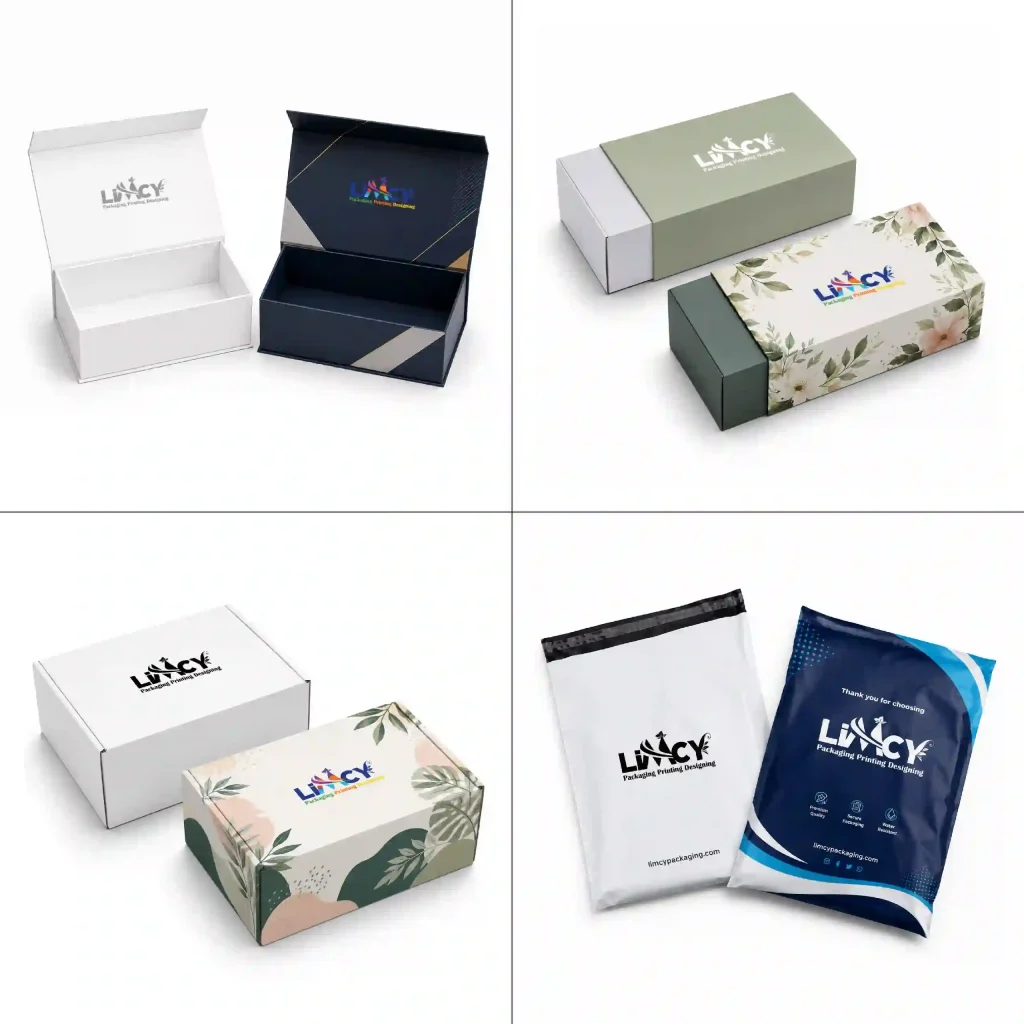
For brands seeking custom apparel packaging solutions, Limcy Packaging offers custom apparel packaging services designed for clothing businesses. Through Limcy Packaging Custom Apparel Packaging, brands can explore packaging options that match their identity, product presentation goals, and printing requirements. Working with a knowledgeable packaging partner helps ensure that every element of the packaging supports the overall customer experience.
Final Thoughts
Choosing the right paper stock for apparel boxes involves more than selecting a material that looks attractive. The ideal choice balances durability, print quality, sustainability, customer experience, and budget. Kraft paper offers a natural and eco-friendly appearance, while coated paperboard delivers premium printing and luxury appeal. Factors such as GSM, thickness, finish, and environmental impact should all play a role in the decision-making process.
When apparel brands carefully evaluate their packaging requirements, they create boxes that protect products, strengthen brand identity, and leave lasting impressions on customers. The right paper stock transforms packaging from a simple container into a valuable marketing asset.
FAQs
Q1. What is the best paper stock for apparel boxes?
Ans. The best option depends on your brand goals. Coated paperboard is ideal for premium printing, while kraft paper is excellent for eco-friendly packaging.
Q2. What GSM is recommended for apparel boxes?
Ans. Most apparel boxes use paper stock between 250 GSM and 500 GSM, depending on durability and presentation requirements.
Q3. Is Kraft paper suitable for luxury clothing brands?
Ans. Yes. Many modern luxury brands use premium kraft paper to combine sustainability with sophisticated design.
Q4. Why is paperboard popular for apparel packaging?
Ans. Paperboard provides excellent strength, printability, customization options, and sustainability benefits.
Q5. Are recycled paper stocks strong enough for clothing packaging?
Ans. Yes. High-quality recycled paperboard can provide excellent durability while supporting environmental goals.