Have you ever peeled a tight clear film off a new gadget? Or noticed how a beverage label wraps perfectly around a curved container? That is shrink wraps for flexible packaging in action. This is not just a packaging trend. It is a growing industry with strong numbers behind it. The North American shrink and stretch film market is worth USD 5.32 billion in 2025. It is forecast to reach USD 6.39 billion by 2030. For small businesses and e-commerce brands in the US, the right shrink wrap can cut costs, boost shelf appeal, and build real customer trust.
What Are Shrink Wraps for Flexible Packaging?
Shrink wrap packaging is a plastic film that tightens around a product when heat is applied. Flexible packaging includes bags, pouches, liners, wraps, and rollstock. These are packages whose shape can change when filled or during use. Shrink wrap fits right into this category. It combines adaptable film with a heat-activated seal. This keeps products secure, tamper-evident, and shelf-ready.
How Heat Shrink Film Works
The film is stretched during manufacturing. Later, heat is applied through a heat gun or shrink tunnel. At that point, the molecules relax back to their original state. The film then tightens snugly around the product. The whole process takes just seconds. So it works well for both small-batch goods and large-scale production lines.
Main Types of Shrink Wrap Films
Polyolefin (POF) Shrink Film
POF is the top choice for retail and e-commerce brands. It is crystal-clear and FDA-approved for direct food contact. It is also strong without being thick. When product presentation matters, POF gives a clean, premium look every time.
PVC Shrink Film
PVC is the budget option. It is mostly used for non-food items like gift sets, DVDs, and some industrial products. It seals at lower temperatures. However, it releases fumes during the process. Because of this, many US brands are moving away from PVC toward greener alternatives
Polyethylene (PE) Shrink Film
PE handles heavy-duty work. It is used for bundling water bottle cases, canned goods, and frozen products. Polyethylene held 40.2% of the shrink packaging market share in 2024. This was due to its durability, flexibility, and cost-effectiveness. It also holds up in freezing temperatures and resists punctures better than most other film types.
Common Styles and Designs
Shrink wrap goes well beyond plain clear plastic. There are three main formats used by US brands today.
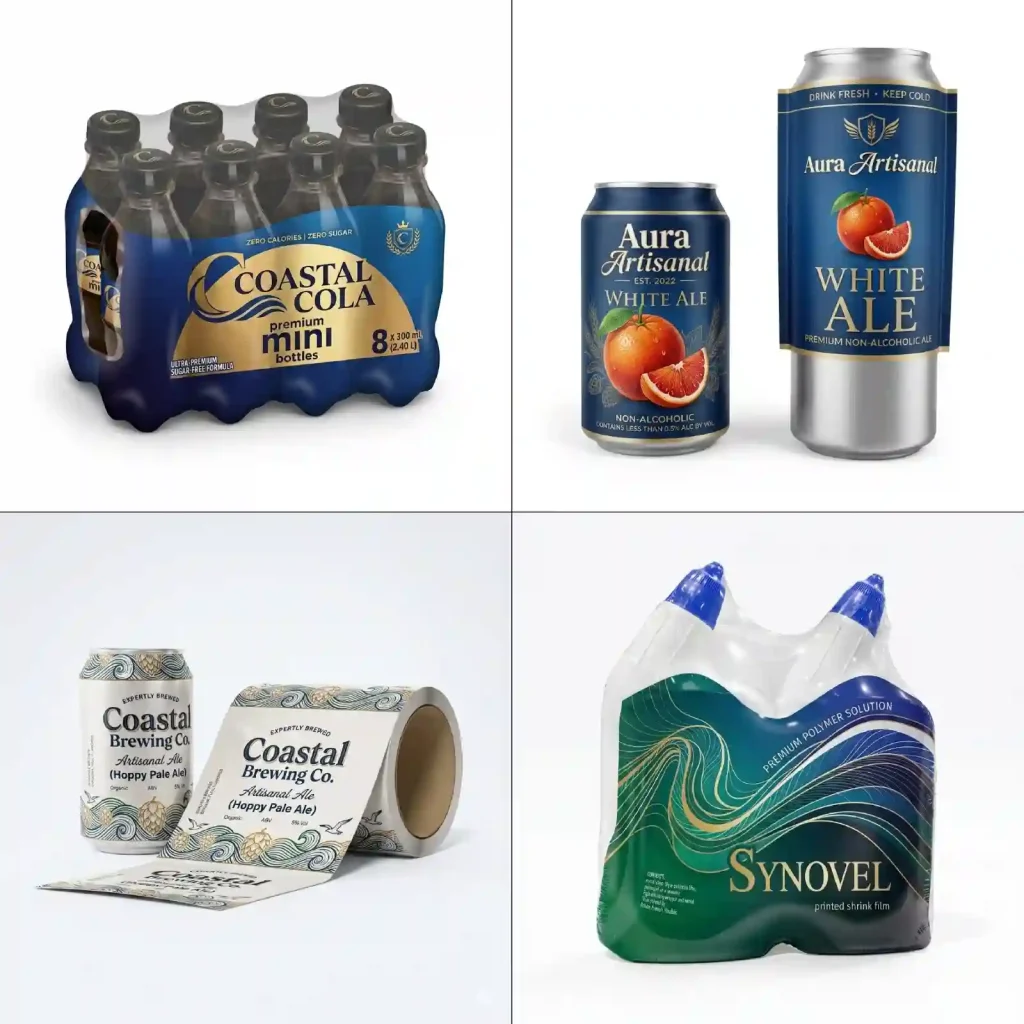
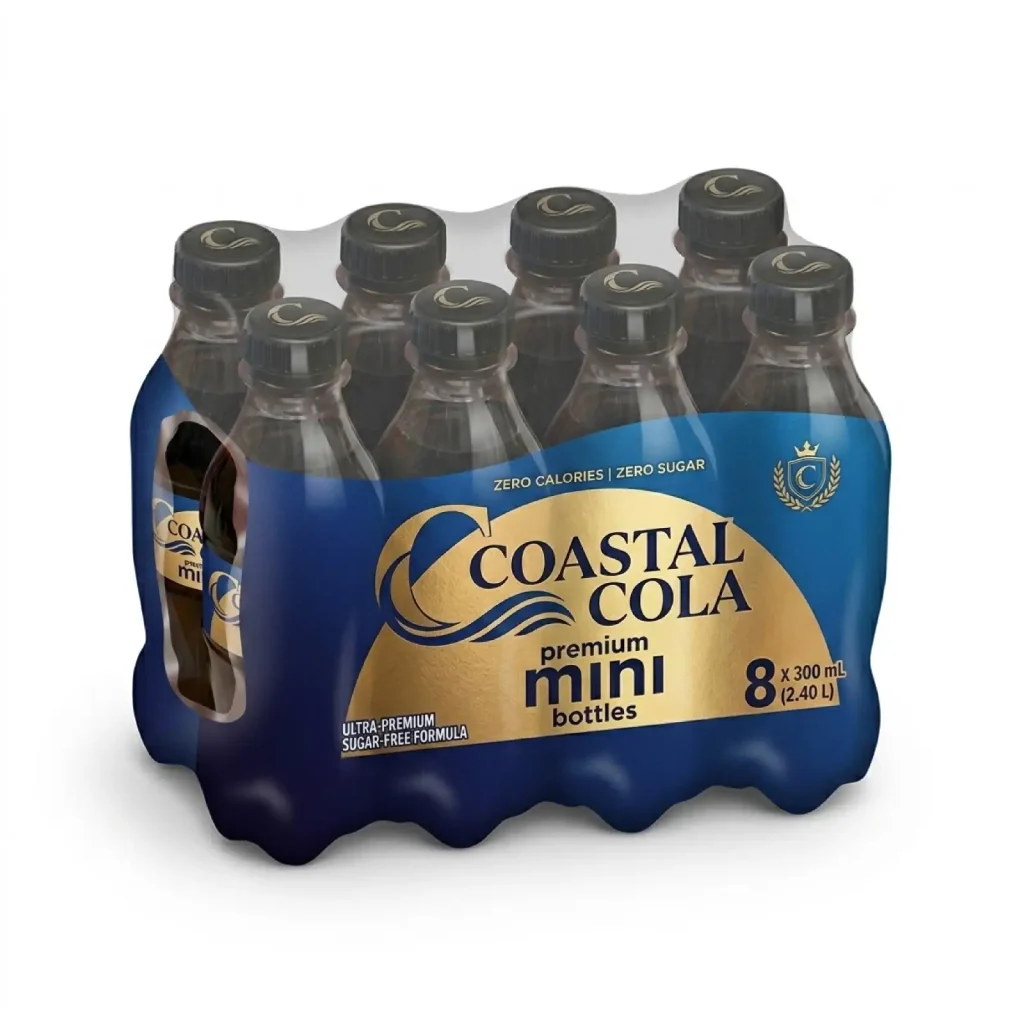
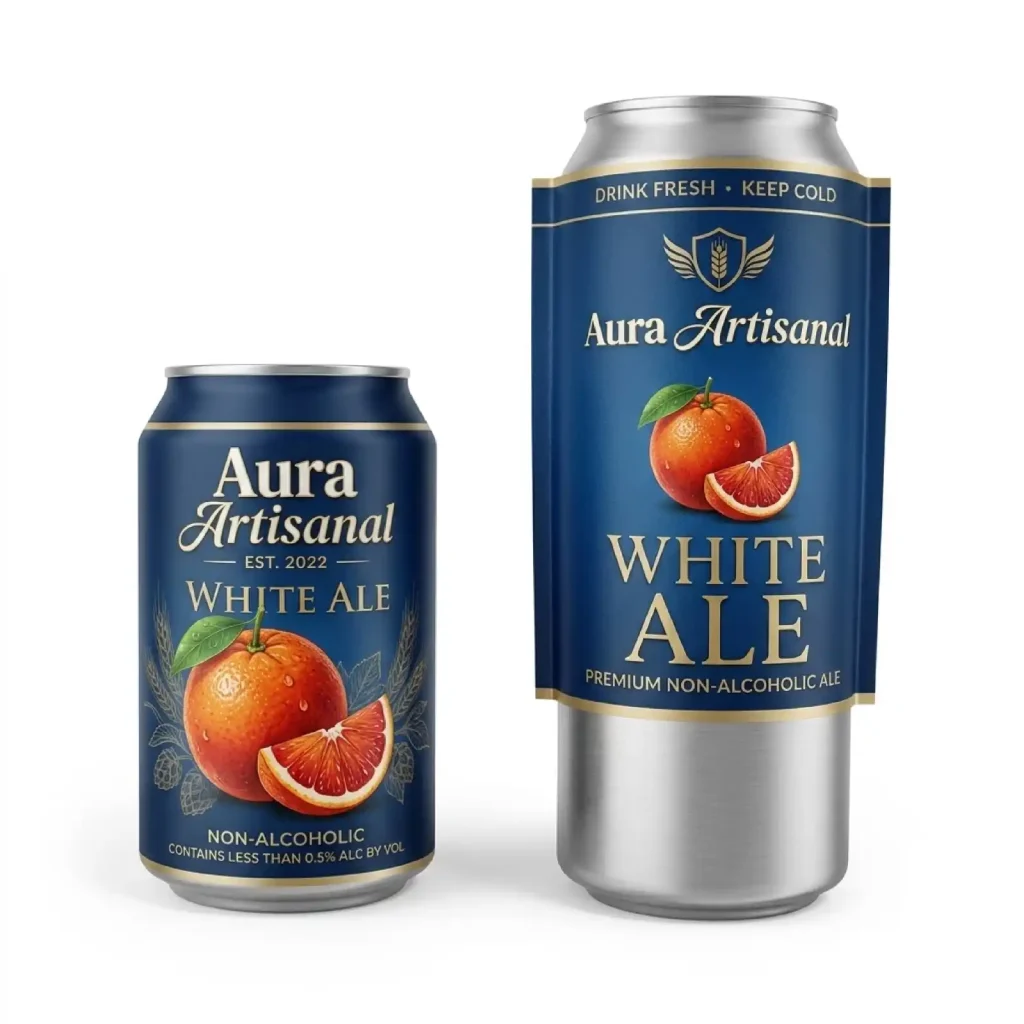
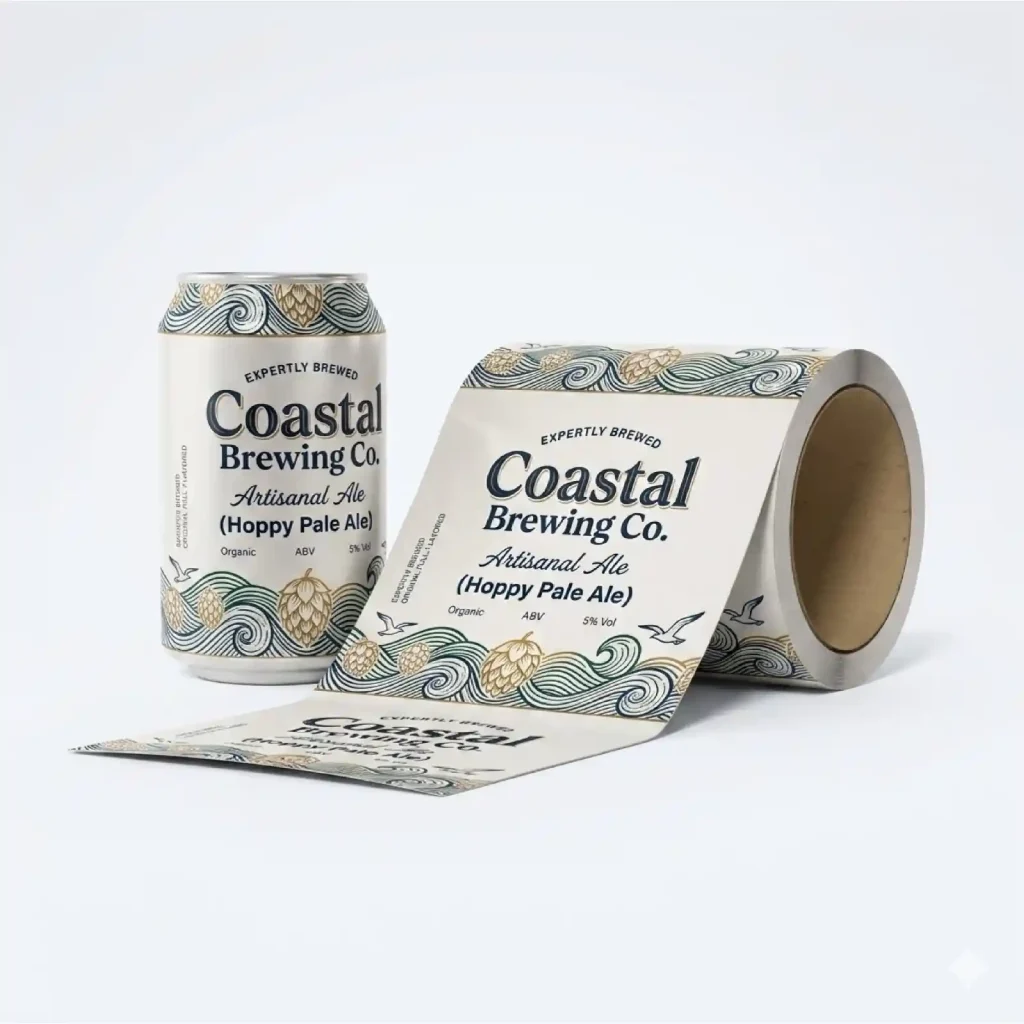
First, center-folded film is loaded onto a sealer and wrapped around the product before sealing. This is the most common format for automated production lines. Second, shrink bags are pre-formed pouches. The product slides in before heat is applied. These are popular for food, cosmetics, and gift items. Third, shrink sleeves are tubular film labels. They slip over a container and shrink to fit its exact shape. Shrink sleeves deliver high-impact 360-degree graphics. They can also integrate tamper-evident closures. This makes them a strong choice for beverage and personal care brands. Matte, gloss, metallic, and frosted finishes are all available. As a result, the entire product surface becomes a branding canvas.
Printed Shrink Wraps
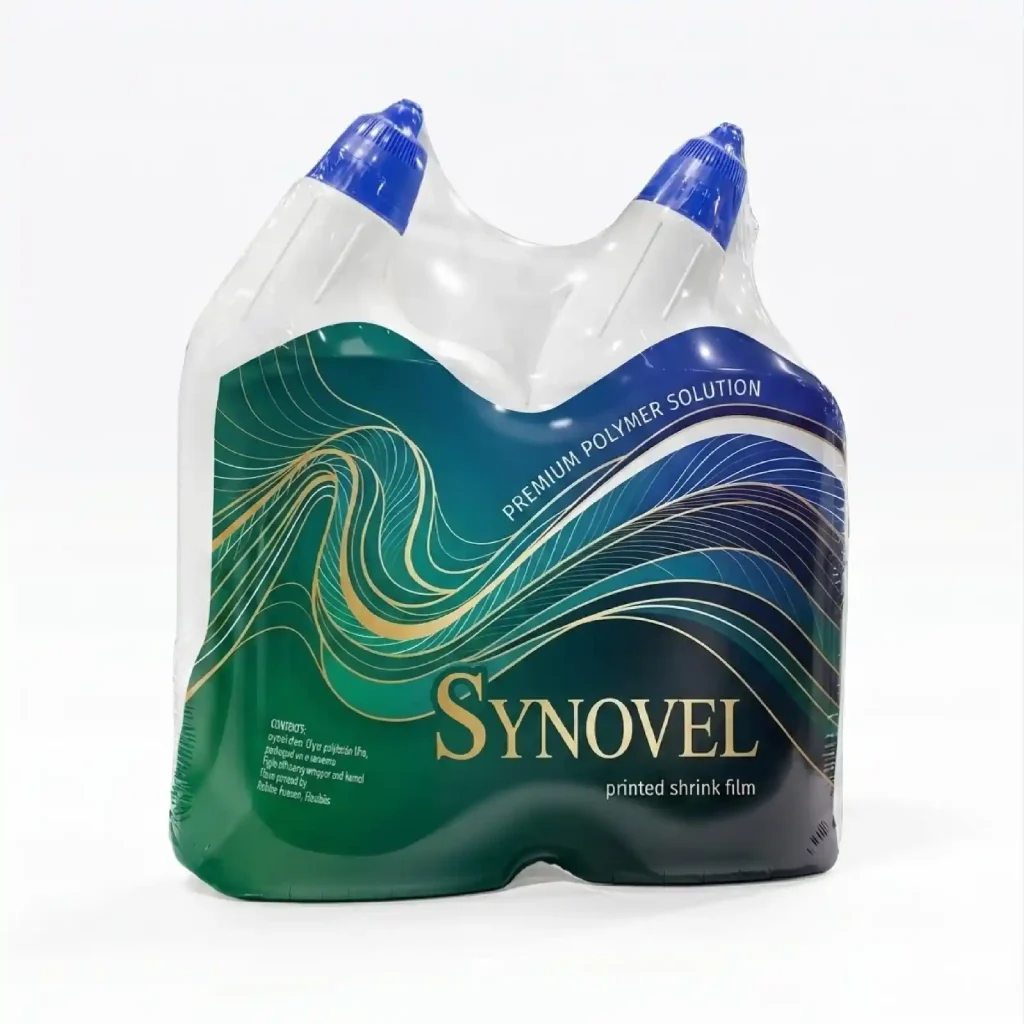
Printed shrink wraps are one of the most effective ways for brands to stand out on a crowded shelf. Unlike plain clear film, printing shrink wraps allows you to add full-color graphics, brand logos, product details, and promotional messaging directly onto the film. The result is a package that communicates your brand identity the moment a customer picks it up. Businesses across food, beverage, cosmetics, and e-commerce categories use printed shrink wraps to create a retail-ready look without investing in expensive rigid packaging. The print quality on modern shrink film is sharp and vibrant, holding its clarity even after the heat shrinking process is complete. Whether you need a simple two-color design or a detailed 360-degree graphic wrap, printing shrink wraps gives small and large brands alike a professional finish that builds recognition and trust at the point of sale.
Standard Sizes and Dimensions
Shrink wrap film comes in a wide range of widths. Small items like candy or USB drives use film as narrow as 4 inches. Large industrial bundles may need film that is 60 inches wide or more. For most retail products, flat widths between 10 and 24 inches cover the majority of needs.
Shrink bags are sized by opening width and length. For example, a 10 by 14-inch bag works well for books, boxed sets, or cosmetic kits. Film thickness is measured in gauge. It ranges from 60 gauge for lightweight wrapping up to 150 gauge for heavy-duty use. For everyday retail packaging, 75 to 100 gauge offers the right balance of clarity, strength, and cost.
Benefits of Using Shrink Wraps
Shrink wrap offers several practical advantages for businesses of all sizes.
Once applied, the seal is tamper-evident. Any interference is immediately visible. This builds consumer trust and meets regulatory requirements in food and pharmaceutical categories. In addition, the tight film reduces air and moisture exposure. This extends shelf life for perishable products.
Because shrink wrap adds minimal weight and bulk, it keeps shipping costs low. This is a clear advantage for e-commerce sellers who pay per-pound freight rates. Also, unlike rigid packaging, shrink film conforms to round, angular, or irregular shapes. No custom molds or tooling are needed. Even small brands end up with a polished, retail-ready look that competes with larger players on the shelf.
Applications in Food, E-Commerce, and Retail
Food and Beverage
Food and beverage packaging accounted for 54.8% of the global shrink packaging market share in 2024. From fresh produce and deli meats to multipack cans and bottled sauces, heat shrink film plays a role at nearly every stage of the food supply chain. High-barrier shrink bags extend refrigerated shelf life for proteins like chicken, beef, and seafood, while tamper-evident seals keep brands aligned with USDA and FDA requirements.
E-Commerce and Direct-to-Consumer Brands
E-commerce growth is pushing demand for shrink bundles, multipacks, and compact sleeves used for lightweight, parcel-friendly pack-outs. For online sellers, shrink wrap protects products during transit, creates a clean unboxing experience, and allows multiple SKUs to be bundled together, all without the cost of custom rigid boxes.
Eco-Friendly Shrink Wrap Options
Sustainability has become a real purchasing factor for US consumers and retailers. In February 2025, Innovia Films introduced a polyolefin-based shrink sleeve material offering up to 73% controlled transverse shrink, helping brands move away from PVC and PETG toward more recyclable options. Biodegradable films, post-consumer recycled content films, and How2Recycle-certified options are all available today. Brands can make a genuine sustainability commitment without giving up performance or print quality.
How Limcy Packaging Supports Custom Shrink Wrap Solutions
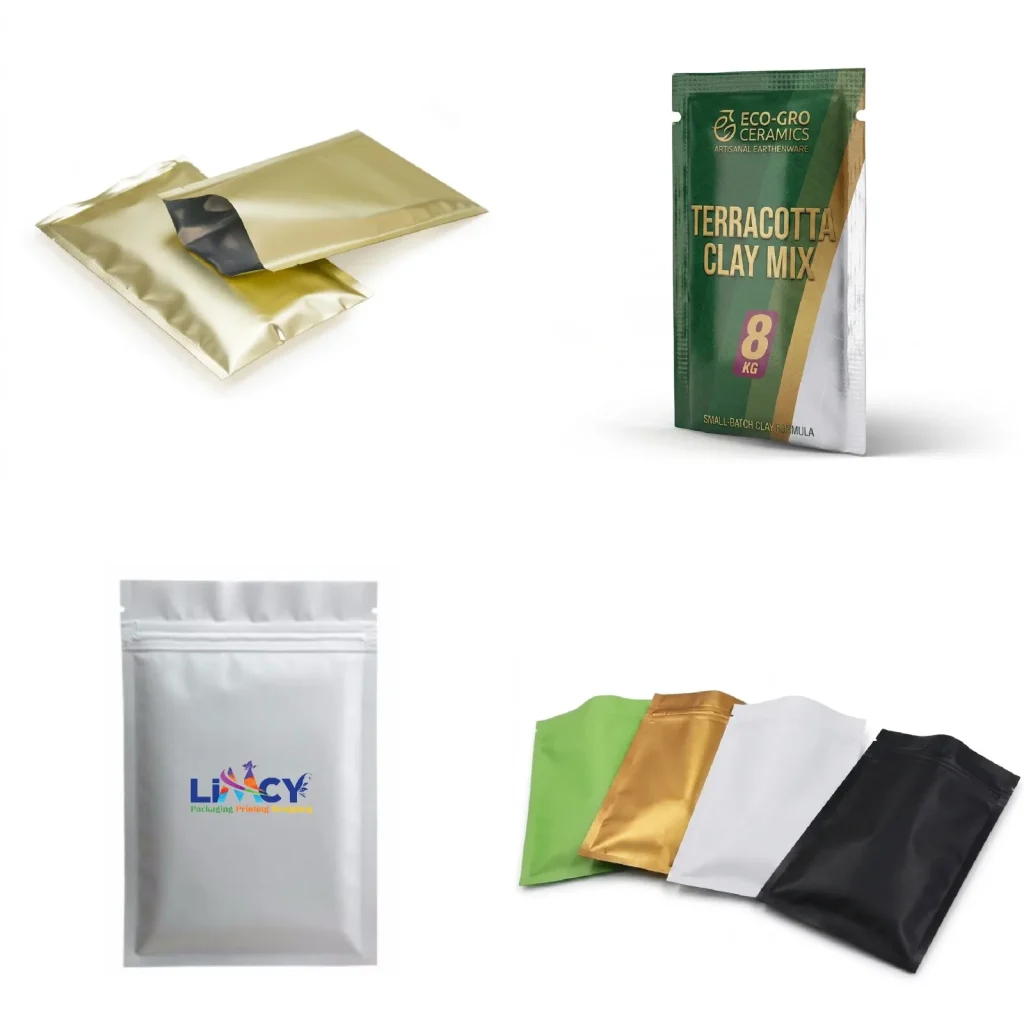
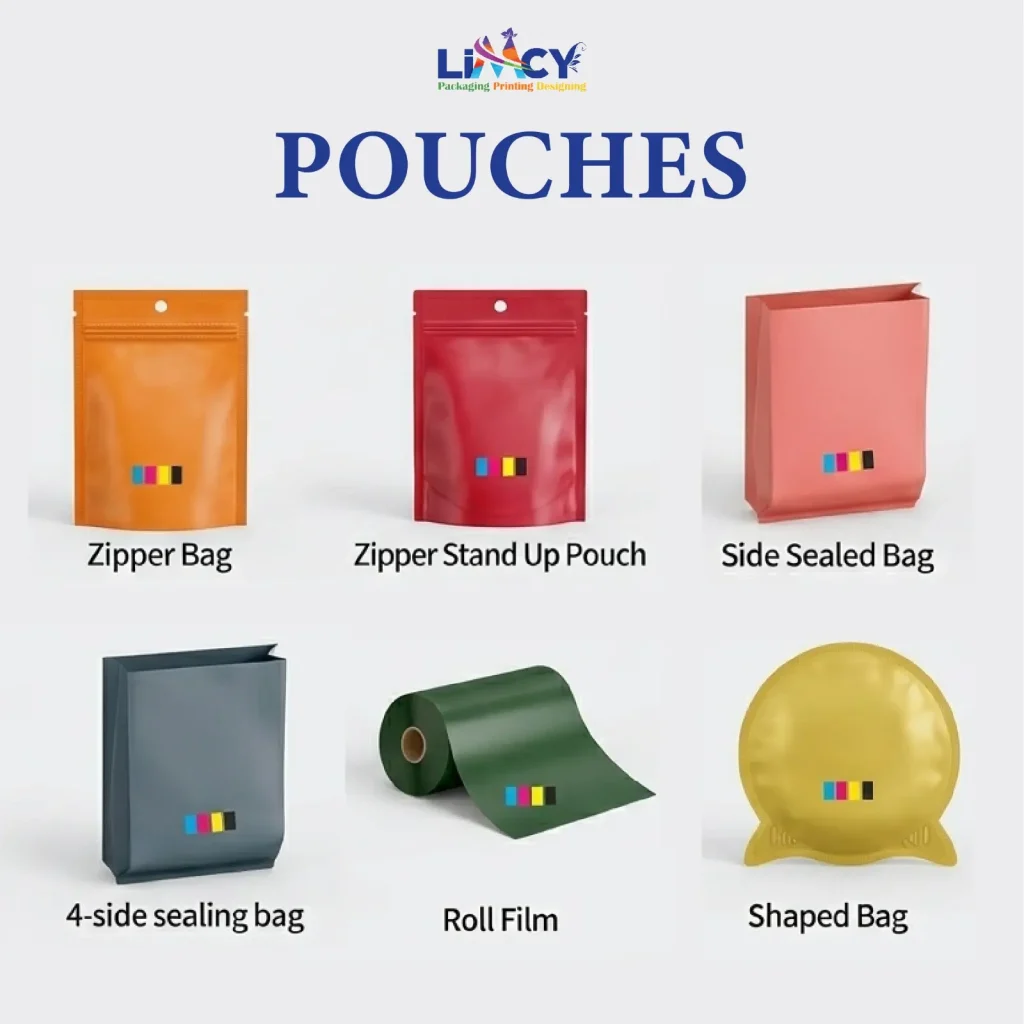
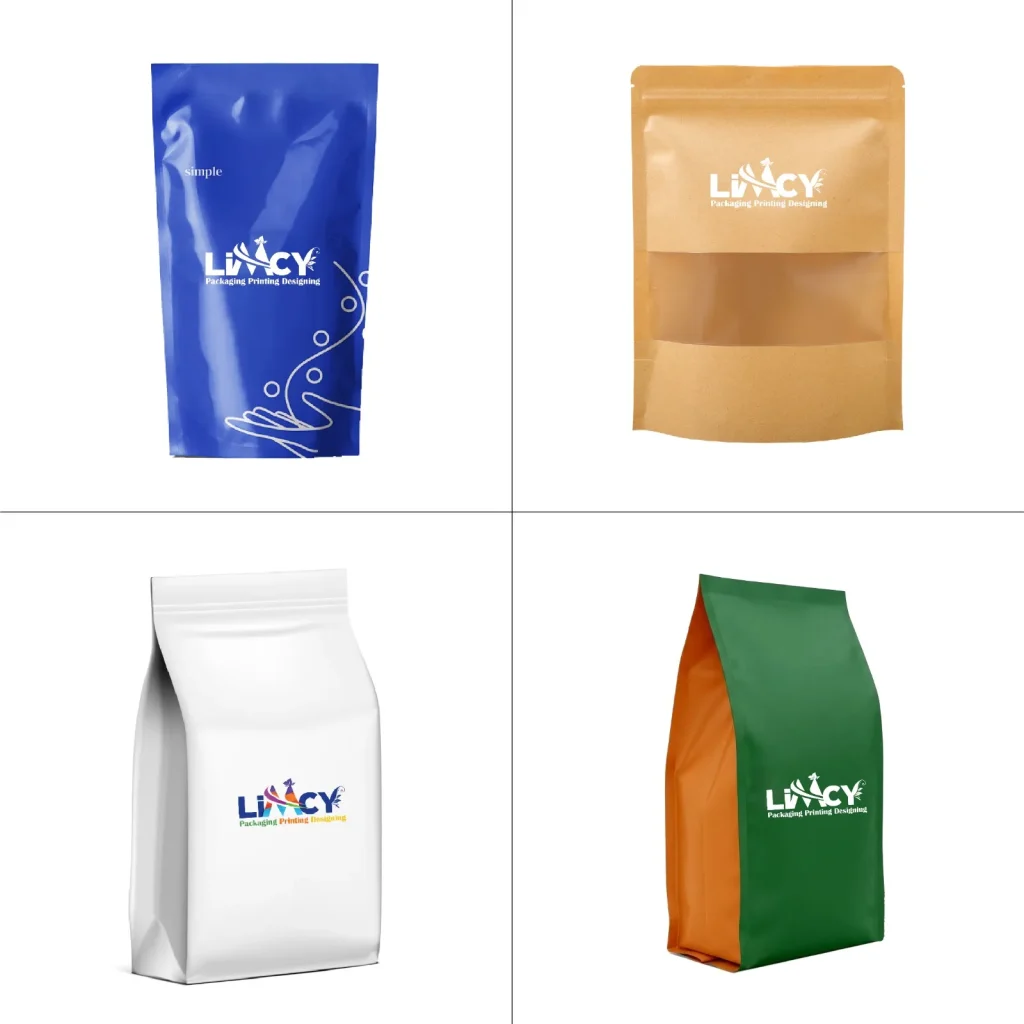
For small businesses and e-commerce brands, having a reliable US-based packaging partner makes a real difference. Limcy Packaging is a US-based company offering custom flexible shrink wraps, shrink sleeves, shrink bags, and heat shrink films across a wide range of sizes and materials, built specifically for growing brands that need quality without large minimums.
Limcy Packaging offers free US shipping, which removes a major hidden cost from the packaging budget. Their wholesale pricing works whether you’re ordering in the hundreds or the thousands, and their flexible MOQs are designed with small businesses in mind. They also provide hands-on design support, helping brands go from concept to print-ready artwork without needing an in-house designer. For food brands, e-commerce sellers, and health and beauty companies that want shrink wrap packaging that looks as good as it performs, Limcy Packaging delivers exactly that.
Conclusion
Shrink wraps for flexible packaging are more than just a protective layer. They’re a branding tool, a logistics solution, and a consumer trust signal wrapped into one thin film. From clear POF sleeves for retail products to heavy-duty PE bundles for food shipments, the right shrink wrap works hard at every stage of a product’s journey. For US-based small businesses, partnering with Limcy Packaging, with free US shipping, wholesale pricing, and design support, makes professional shrink wrap packaging genuinely accessible.
FAQs
Q1. What is the difference between shrink wrap and stretch wrap?
Ans. Shrink wrap contracts when heat is applied, conforming tightly to the product. Stretch wrap is mechanically stretched around pallets and holds through tension; no heat is needed.
Q2. Can shrink wraps be used for food products?
Ans. Yes. POF shrink film is FDA-approved for direct food contact and works well for produce, baked goods, and snacks. Always confirm your film is food-grade for your specific product.
Q3. What gauge of shrink film should I use?
Ans. 60 to 75 gauge suits lightweight retail items. For heavier products, go with 100 to 150 gauge. Limcy Packaging can recommend the right option based on your specs.
Q4. Are eco-friendly shrink wrap options available?
Ans. Yes. Recyclable POF films, post-consumer recycled content films, and How2Recycle-certified options are all available and growing in demand across the US market.
Q5. What are the minimum order quantities for custom shrink wraps?
Ans. MOQs vary by product type. Limcy Packaging offers flexible ordering for small businesses and emerging brands. Contact them directly for wholesale pricing details.