
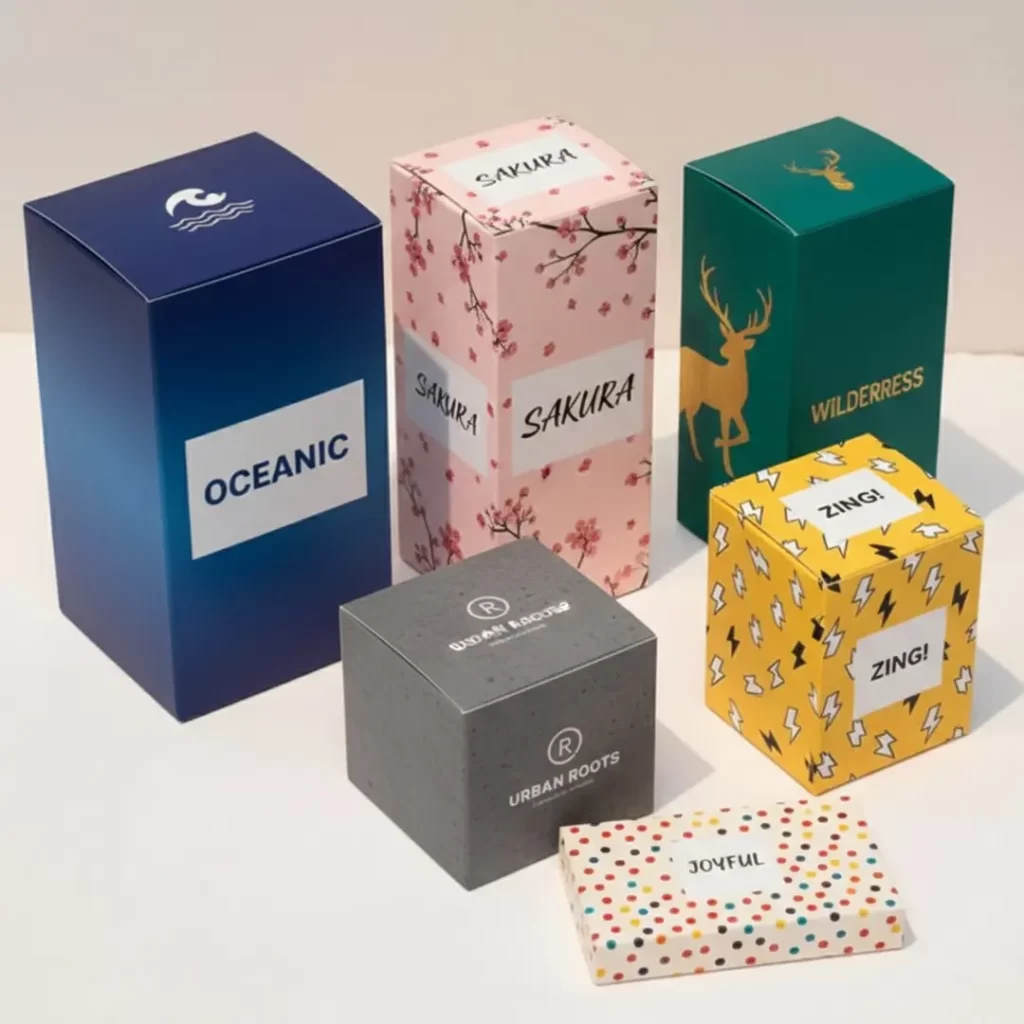
Introduction
Choosing the right packaging is not just about looks. It directly affects product safety, shipping costs, and how customers judge your brand. That is why businesses looking for reliable custom packing boxes need more than standard sizes and generic materials. They need packaging that is designed to fit their products, protect them in transit, and represent their brand professionally.
At our packaging company, we help businesses select the perfect size and material for custom packaging boxes based on real shipping needs, product weight, and usage requirements. From durable cardboard boxes to premium rigid box packaging and eco-friendly packaging boxes, the right choice can reduce damage, lower logistics costs, and improve customer experience.
This guide explains how to select packaging that works for your products and why investing in the right custom packing boxes is a smart business decision.
Why Size and Material Matter in Custom Packaging
The size of a box determines how safely a product travels and how much you pay to ship it. Oversized shipping cartons increase dimensional weight charges, while undersized boxes raise the risk of breakage and returns. Material choice plays an equally important role because it directly affects durability, sustainability, and how customers perceive your brand.
- Oversized boxes increase costs: Extra space means higher dimensional weight, which quietly inflates shipping charges without adding any real value.
- Undersized boxes cause damage: Tight or forced packing increases pressure on the product, leading to breakage and higher return rates.
- Weak materials hurt brand image: Cardboard boxes that collapse or feel flimsy signal poor quality and reduce customer trust.
- Overpremium packaging wastes money: Rigid box packaging may look impressive, but using it where it’s not needed adds cost without improving protection.
The real objective is balance. Packaging should match the product’s protection needs, stay within budget, and support the brand’s positioning instead of working against it.
Understanding Your Product Requirements
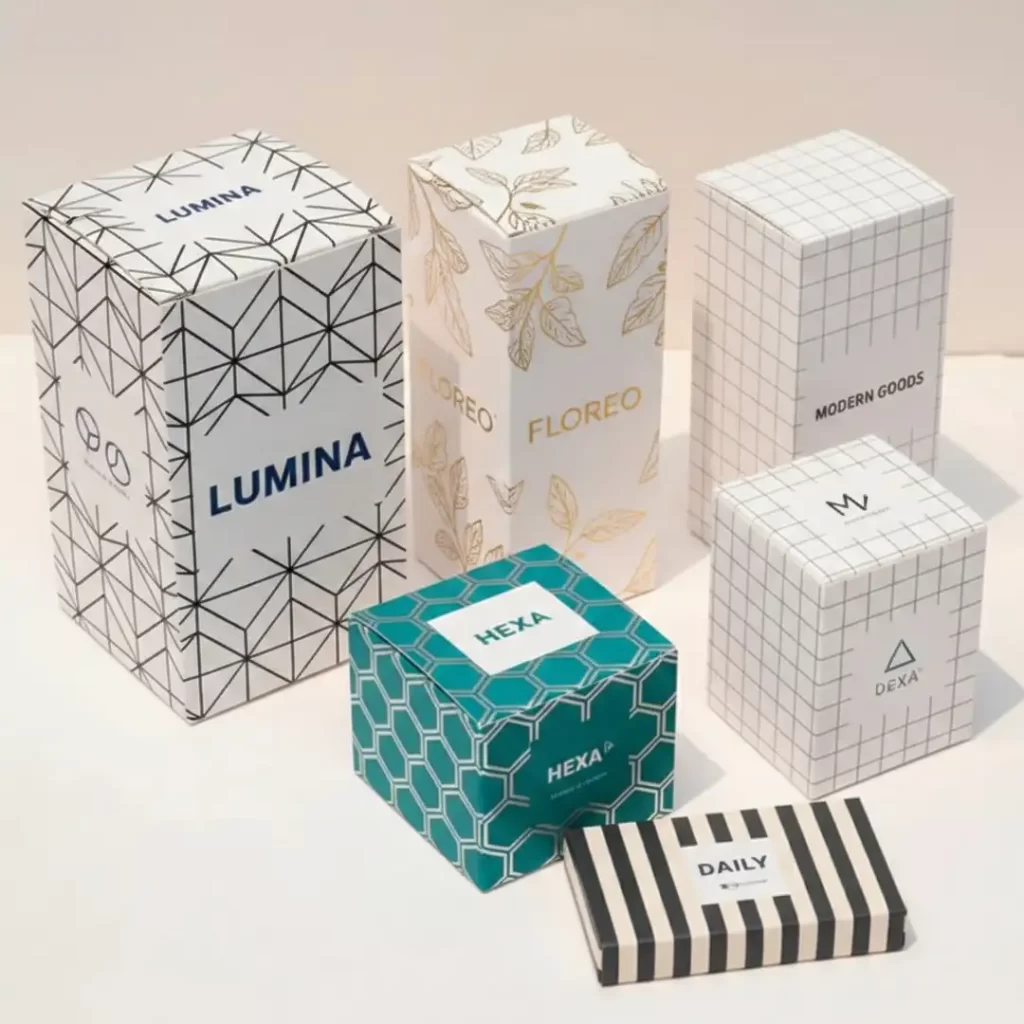
Before selecting shipping box sizes or corrugated cases, you need a clear understanding of your product. A lightweight cosmetic item does not need the same protection as electronics or glassware. Similarly, bulk shipments require stronger corrugated box materials than single-item deliveries.
Think about how your product behaves during transit, not how it looks sitting on a shelf. Packaging should be designed for movement, stacking, and handling, not ideal conditions.
Measuring Product Dimensions Correctly
Accurate measurement is non-negotiable. Measure the product’s length, width, and depth at the widest points. Then add approximately 0.25 inches on each side to allow space for padding or inserts. This small allowance prevents friction damage without creating unnecessary empty space.
Skipping this step or guessing dimensions is one of the fastest ways to increase shipping costs and product damage.
Allowing Space for Padding and Protection
If your product requires cushioning, the box must be designed around it. Bubble wrap, molded pulp, or foam inserts all take space. Packing cartons that fit the product tightly without accounting for protection creates pressure points that lead to breakage.
Protection is not optional for fragile items. It is cheaper to invest in proper packaging than to deal with returns and replacements.
Handling Irregular-Shaped Products
Not all products fit neatly into standard cartons. Cylindrical, asymmetrical, or multi-component items require custom dimensions or internal dividers. In these cases, forcing a standard shipping box usually leads to wasted space or poor protection.
Custom inserts and adjusted dimensions solve this problem far more effectively than oversized boxes.
Selecting the Right Size for Custom Packing Boxes
Standard shipping box sizes work well because they align with carrier pricing, but using them blindly can increase costs. Box sizing directly affects shipping fees, protection, and customer experience.
- Standard box sizes: Cost-effective only when the product fits naturally without excess space.
- Mailer box dimensions: Must be compact, lightweight, and durable for single-item e-commerce shipping.
- Dimensional weight pricing: Larger boxes can cost more to ship even if they weigh less.
- Tight sizing improves margins: right-sized boxes lower shipping costs without changing product prices.
Common Size Mistakes Businesses Make
- Choosing oversized boxes “just in case”
- Ignoring padding and insert thickness
- Using one box size for multiple products
- Skipping fit testing before bulk orders
Selecting the Right Material for Custom Packaging Boxes
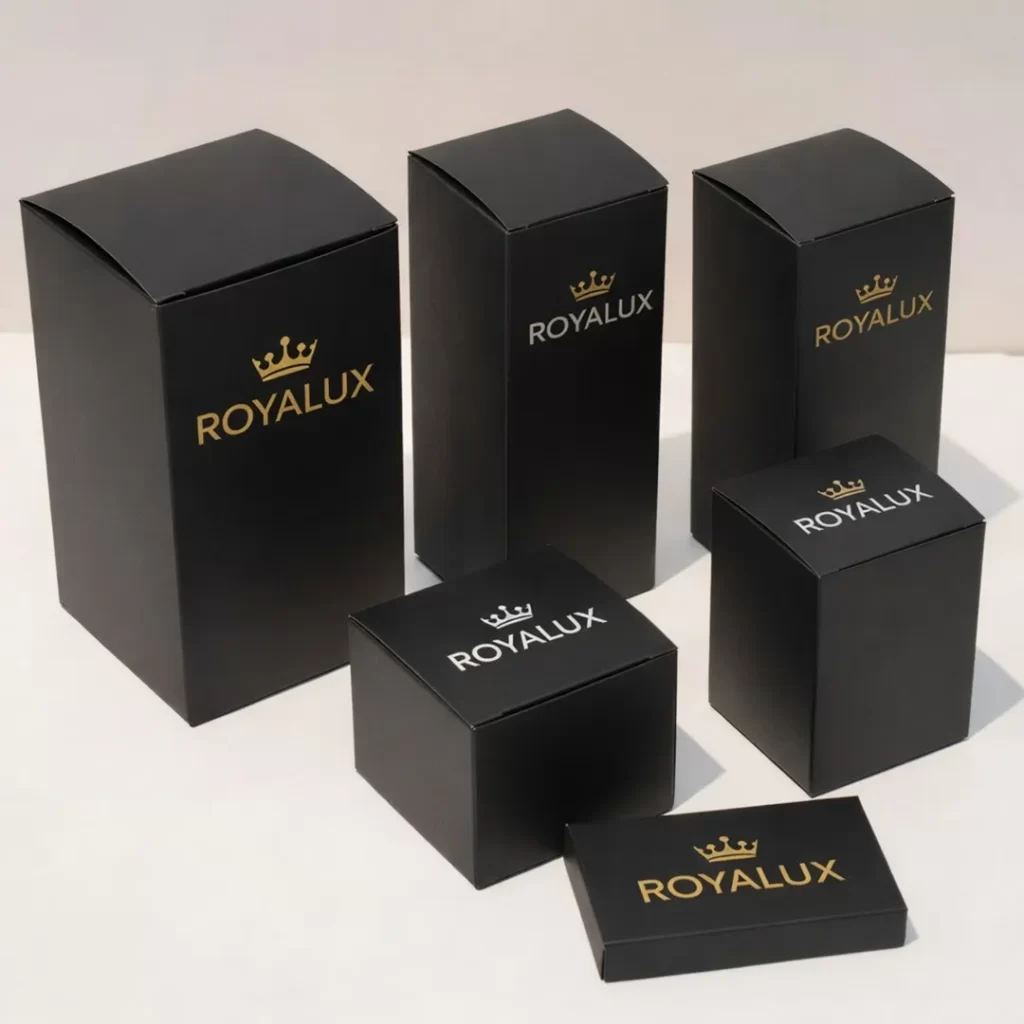
Corrugated cardboard boxes are the most widely used packaging solution for a reason. They offer strength, flexibility, and cost efficiency. The key is choosing the right flute and strength rating.
C-flute corrugated cases are ideal for fragile or heavier items, while E-flute works well for lighter products and retail packaging. A 32 ECT rating is generally suitable for loads under 30 pounds. Choosing a weaker material than required is not a cost-saving move. It is a risk.
Rigid box packaging is best reserved for premium products. These boxes, typically made from 3mm-thick board, are designed for presentation rather than shipping efficiency. They elevate perceived value but should be used strategically due to higher costs.
Eco-friendly packaging boxes, particularly kraft cartons, have become a necessity rather than a trend. They are recyclable, biodegradable, and align with modern consumer expectations. Sustainability should be reflected in materials, not just marketing language.
Using Foams and Inserts Wisely
PU and PE foams should be used when product movement must be eliminated. Electronics, glass items, and high-value goods benefit most from custom inserts. Proper internal protection reduces damage far more effectively than thicker outer boxes alone.
Common Shipping Box Sizes
| Box Type | Dimensions (inches) | Typical use |
| Mailer | 9 × 6 × 3 | E-commerce shipping |
| Shipping | 12 × 12 × 6 | General products |
| Shipping | 12 × 9 × 6 | Clothes and electronics |
| Retail | 8 × 6 × 2 | Cosmetics |
| Product | 4 × 4 × 4 | Small items |
Balancing Cost, Protection, and Branding
Effective custom packaging boxes strike a balance between durability, cost, and brand image. Overbuilding increases expenses. Underbuilding increases risk. The right balance protects the product, controls logistics costs, and reinforces brand trust without excess.
Sustainability Tips for Smarter Packaging
Sustainability starts with right-sizing. Using smaller cartons, recyclable cardboard boxes, and minimal fillers reduces waste and cost simultaneously. Working with suppliers that offer eco-conscious materials strengthens both your supply chain and brand credibility.
Conclusion
Selecting the perfect size and material for custom packing boxes is a practical business decision, not a creative afterthought. Accurate measurements, appropriate materials, and realistic shipping considerations lead to fewer damages, lower costs, and better customer experiences. Smart packaging works quietly in your favor. Poor packaging works against you every time.
Explore our range of custom product boxes tailored to your packaging needs
FAQs
Q1. What is the best material for custom packing boxes?
Ans. Corrugated cardboard is the most versatile and cost-effective option for most products.
Q2. How much extra space should I allow inside a box?
Ans. About 0.25 inches on each side is usually enough for padding.
Q3. Are eco-friendly packaging boxes strong enough for shipping?
Ans. Yes, when made from quality corrugated or kraft materials.
Q4. When should rigid box packaging be used?
Ans. For luxury or premium products where presentation is critical.
Q5. Do box sizes really affect shipping costs?
Ans. Yes. Smaller, well-fitted boxes reduce dimensional weight charges.